
Warning! Could these restrictions deal a heavy blow to Auckland developers? Housing development plans face a “red zone” dilemma!
Last month, Watercare released a map showing areas of Auckland with water and wastewater restrictions, prompting a strong reaction from developers and real estate agents.
Last month, Watercare released a map showing areas of Auckland with water and wastewater restrictions, prompting a strong reaction from developers and real estate agents. Several industry figures warned that the move could have far-reaching effects on housing supply, land values and the stability of the wider market.
The unexpected “red zone” map
Watercare’s restrictions map designates some areas as “red zones”, meaning housing development may be unable to proceed there for the next decade or longer because water and wastewater infrastructure cannot meet additional demand. The sudden move caught many developers off guard. BA Group’s Craig Alexander, for example, said land he had purchased previously met all development requirements but had now been placed in a restricted area. He said: “There was absolutely no warning. We carried out thorough due diligence, but our development plans have now been put on hold. This kind of sudden change could bankrupt many people.”
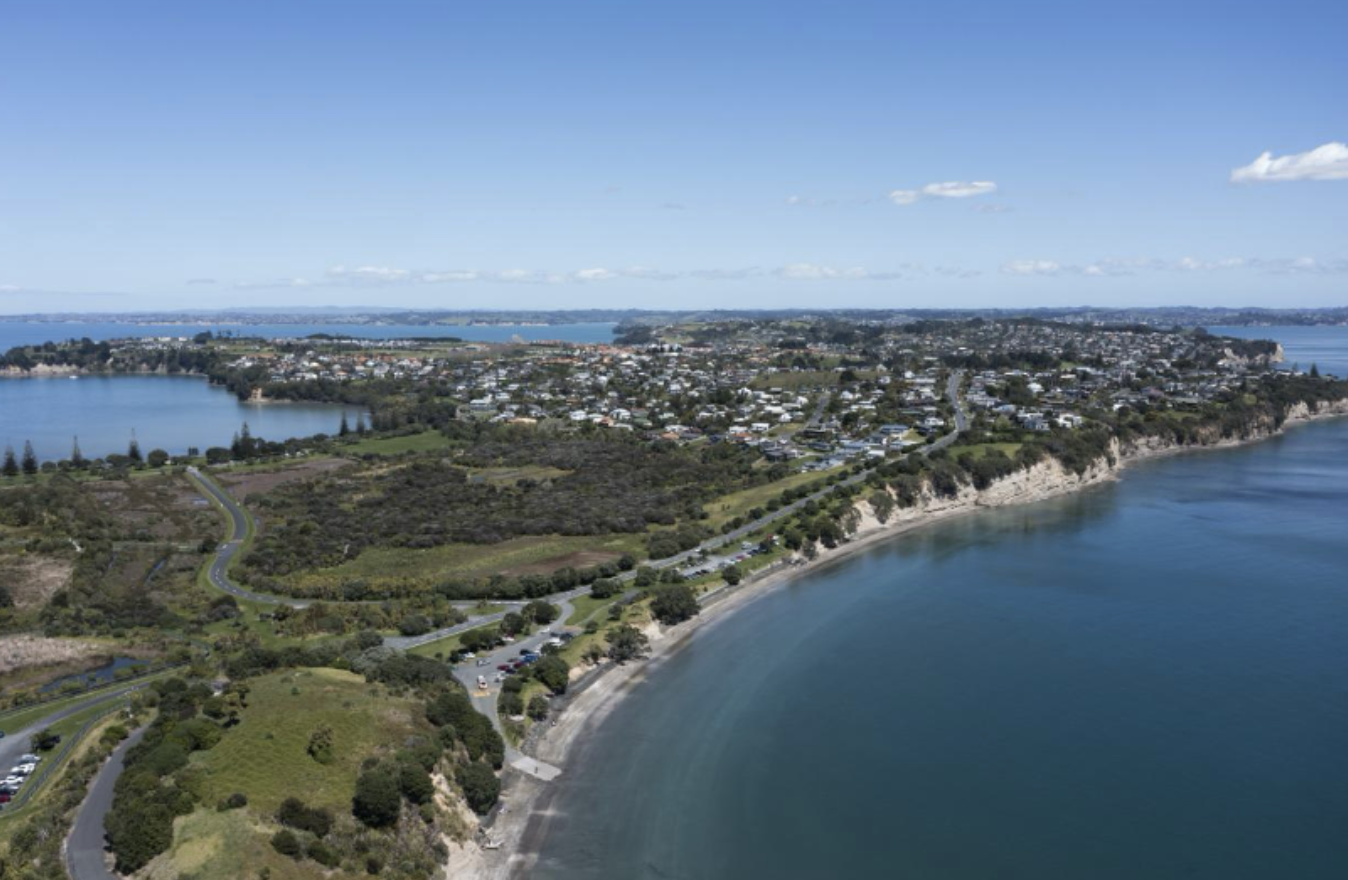
The situation is also evident on the Hibiscus Coast in northern Auckland. The Army Bay wastewater treatment plant is nearing capacity, leaving new housing facing development delays of up to seven years. Watercare said expanding the plant was expected to cost NZ$500,000,000 and would not be completed until 2031. The restriction directly affects around 4000 potential connections, impacting fast-growing communities including Ōrewa, Red Beach and Stanmore Bay.
Cascading losses for developers and property owners
The losses are particularly severe for businesses that have already invested in developments. Many developers face not only the risk of falling land values but also resource consent fees and financing costs already incurred. Findlay, for example, estimated that one of his sites could lose NZ$300,000 because of the policy change. Many developers relying on second-tier lending also face greater difficulty staying afloat, with financing costs as high as 14%. Developer Ben Pauley warned: “If infrastructure upgrades will not be completed until 2035, few people can afford the high cost of holding land for so long. This situation will force many to sell their sites to limit their losses.”
The construction sector is also under immense strain. Nick Rowe of the Hibiscus Coast said bluntly that a seven-year development wait would “severely undermine” the viability of local construction businesses. He questioned why developers were paying high infrastructure growth charges (IGC) only to face a network unable to meet demand.
A polarising effect on the property market
Watercare’s restrictions have directly polarised Auckland’s property market. Land prices in areas without development restrictions have soared as demand surges, while the value of sites in “red zones” has fallen rapidly. Developers and investors have begun turning to other unrestricted areas, or even seeking development opportunities outside Auckland.
Harcourts salesperson Harsh Kathuria said he had already witnessed dramatic changes in the South Auckland market. He noted that many owners had spent years saving for properties they hoped would gain value through development, only for the restrictions to shatter those dreams. “Developers are no longer interested in restricted areas, and ordinary buyers will not want to pay more than 1,000,000 for an old house that cannot be developed.”
Watercare’s response and the controversy
Responding to developers’ concerns, Watercare chief strategy and planning officer Priyan Perera defended the map, saying it was not a “blanket ban” but was intended to help developers better understand potential restrictions before buying land. He said around 50% of development applications had currently been approved, with only a small number declined. However, he acknowledged that Auckland’s water infrastructure investment had to be prioritised within limited resources, and that upgrades required time and money. Watercare plans to invest NZ$13,700,000,000 in infrastructure improvements over the next decade, but until then, development within the “red zones” will face serious challenges.
Conclusions and reflections
Watercare’s restrictions map exposes a serious disconnect between Auckland’s infrastructure planning and urban growth. This disconnect has had far-reaching negative effects on developers, property owners and the real estate market, while also revealing clear shortcomings in current policy implementation.
First, lagging infrastructure is clearly unable to meet rapidly growing housing demand. Projects such as the Army Bay wastewater treatment plant are enormously expensive and take years to complete, a timeframe plainly out of step with the pace of urban development. Second, policy changes have lacked sufficient transition periods, leaving developers unprepared for immense financial pressure.
To address these problems, the council needs to take the following steps:
1. Accelerate infrastructure upgrades: Bring in more funding and technology to shorten the time needed to complete upgrades, prioritising key growth areas.
2. Improve policy transparency: Provide transition periods before introducing policies to avoid excessive market volatility and help developers and buyers adjust their strategies in advance.
3. Develop long-term plans: Establish a more forward-looking infrastructure investment programme that keeps pace with urban development needs.
Auckland urgently needs transparent policies, along with the ability to implement them and sustainable planning that matches the city’s development. Otherwise, problems such as the “red zones” will continue to disrupt the market and hinder the city’s growth. Share your views in the comments and join the discussion!