
Chinese worker left unconscious after a fall! From falls from height to stalled projects: how can New Zealand's construction industry overcome its troubles?
On 28 December 2024, a sudden fall from height sent 37-year-old Chinese worker Jun Jiang to Auckland City Hospital's emergency department. The SD Aluminium worker was wearing no safety equipment and landed head-first. He remains unconscious. Jun Jiang's family travelled from China to New Zealand in search of a better life, but now faces the tragedy of losing its mainstay. The incident exposes serious gaps in safety protection within New Zealand's construction industry and reflects deeper problems across the sector.
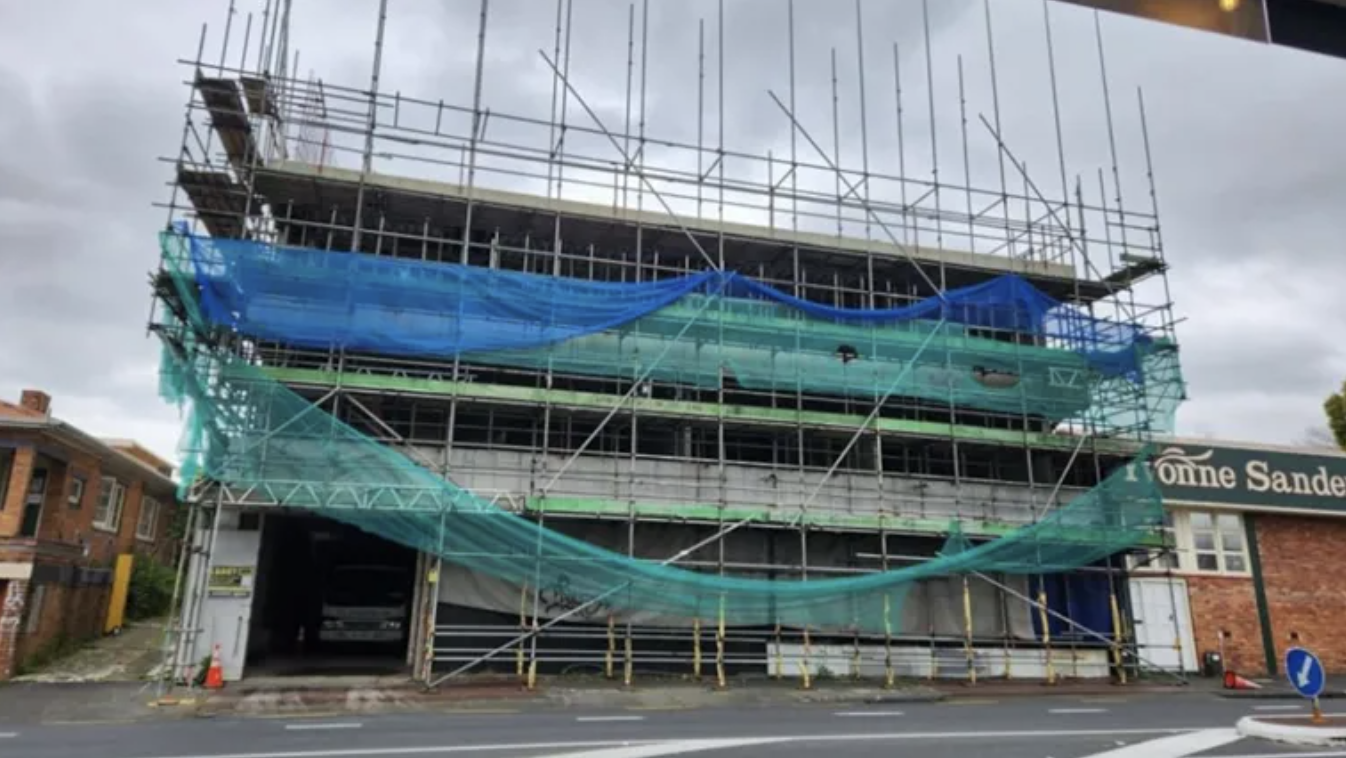
From falls from height to stalled construction projects
On 28 December 2024, a sudden fall from height sent 37-year-old Chinese worker Jun Jiang to Auckland City Hospital's emergency department. The SD Aluminium worker was wearing no safety equipment and landed head-first. He remains unconscious. Jun Jiang's family travelled from China to New Zealand in search of a better life, but now faces the tragedy of losing its mainstay. The incident exposes serious gaps in safety protection within New Zealand's construction industry and reflects deeper problems across the sector.
Meanwhile, unfinished developments across Auckland represent another form of industry crisis. From the long-stalled Epsom Central Apartments to the Seascape tower, where construction stopped amid developer disputes, unfinished projects damage the cityscape and create a range of risks for local communities. These issues may appear separate, but both reflect critical problems in New Zealand's rapidly expanding construction industry: inadequate safety and a loss of management control.
First issue: systemic failures in workplace safety
Jun Jiang's accident is not an isolated incident. In recent years, inadequate safety measures have repeatedly led to worker deaths and injuries in New Zealand's construction industry. Although the Health and Safety at Work Act 2015 explicitly requires businesses to take reasonably practicable steps to protect workers, failures in implementation are commonplace. According to the New Zealand Herald, a Chinese worker died after falling from height on a construction site in 2019, and the Accident Compensation Corporation (ACC) paid substantial compensation to his widow.
Migrant workers are particularly vulnerable. They often face language barriers and unfamiliarity with local regulations, while concerns over their visa status make them reluctant to raise complaints about working conditions. In these circumstances, inadequate employer investment in safety compounds the risks. Some businesses cut costs by “saving” on safety training and protective equipment, ultimately leaving workers to pay with their lives and health.
Regulatory oversight also appears weak. In Jun Jiang's case, he was wearing neither a safety harness nor a helmet when the accident occurred, even though these basic protections should have been mandatory. WorkSafe only became involved to investigate after the accident, pointing to clear shortcomings in prior oversight and prevention.
Second issue: the ripple effects of unfinished buildings
Alongside worker safety risks is the problem of construction projects remaining stalled for long periods. Several unfinished developments in Auckland have become “hidden wounds” in the city's development. Epsom Central Apartments, for example, has been surrounded by graffiti and deteriorating building materials since work stopped five years ago, becoming a community “eyesore” and an “unresolved mess”.
The problems caused by unfinished buildings go beyond their appearance. Vacant buildings attract graffiti vandals and squatters, while prolonged exposure causes building materials to deteriorate and go to waste. Residents face safety risks as well as environmental problems such as rainwater ingress and accumulated rubbish. These stalled projects also unsettle homebuyers and investors, weakening trust in the industry.
Behind these problems lie a series of shortcomings in the construction industry's financial management, planning approvals and oversight of delivery. Disputes between developers and contractors, funding breakdowns and the absence of clear plans to restart work leave these issues unresolved for long periods.
How should the construction industry respond?
1. Strengthen construction site safety oversight
New Zealand regulators need to step up routine inspections of high-risk industries, particularly businesses employing large numbers of migrant workers, to ensure they provide the necessary safety equipment and training. Businesses should also establish stronger internal reporting systems so workers can safely report hazards.
2. Restart stalled projects and resolve unfinished developments
For projects that have remained stalled for long periods, the Government needs to introduce more transparent and efficient management mechanisms. Options include establishing a dedicated fund to restart construction, encouraging new investors to take over projects, or applying stricter checks on developers' and contractors' credentials to prevent similar problems recurring. For projects that genuinely cannot resume, plans for clearance and redevelopment should be drawn up promptly to reduce negative effects on communities.
3. Establish industry accountability mechanisms
The industry needs clearer accountability mechanisms, with businesses and regulators alike taking responsibility for safety and project progress. Tougher penalties for businesses that breach the rules should compel them to improve their safety practices and management.
From worker falls to unfinished developments, comprehensive reform of safety protection, project management and accountability is essential for sustainable industry development and restoring public trust. The construction industry must serve as both an engine of urban development and an example of safety and responsibility, creating real value for construction workers and communities.