
Is dawn breaking for New Zealand’s housing market? Data, policy and confidence align!
A series of tightening policies, high interest rates and a construction slowdown pushed New Zealand’s property market into a slump. Yet a close reading of recently released data, policies and trends reveals a quiet warming amid the chill: housing supply is beginning to move in step with demand, construction is proving more resilient, investor confidence is being rebuilt, and the burden on first-home buyers is easing. Challenges remain, but a healthier, more hopeful property market is taking shape again.
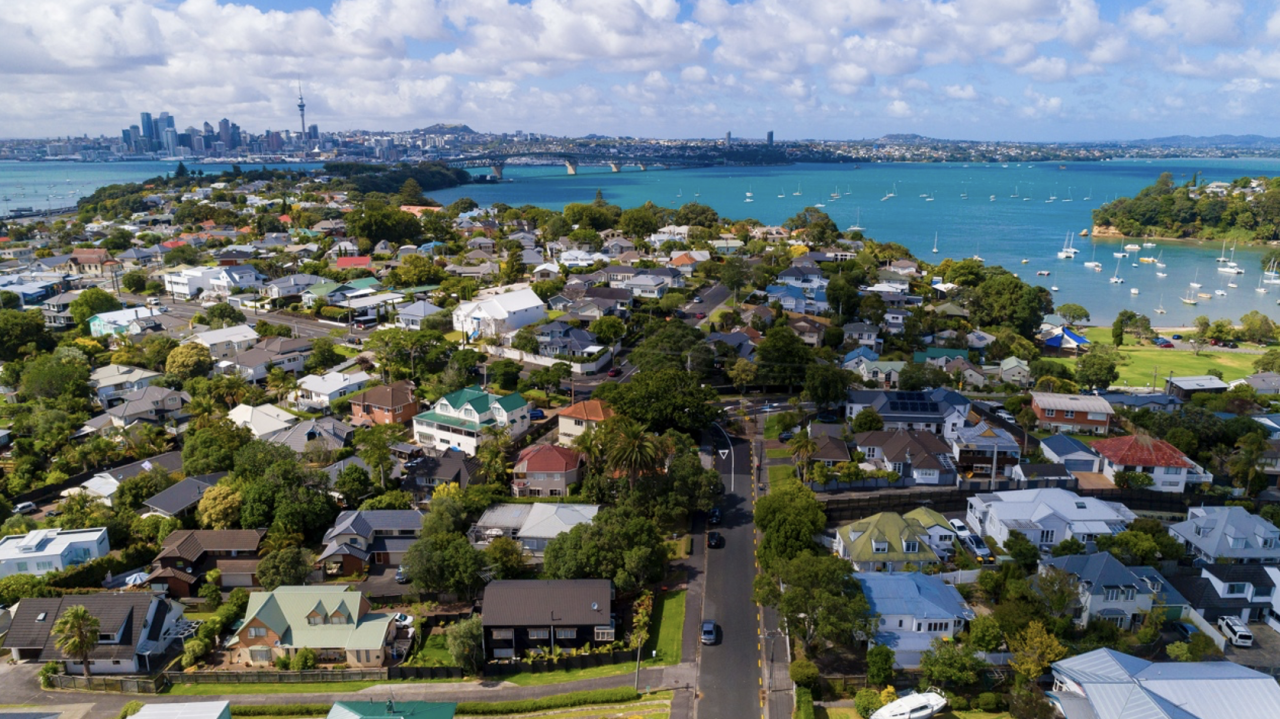
A series of tightening policies, high interest rates and a construction slowdown pushed New Zealand’s property market into a slump. Yet a close reading of recently released data, policies and trends reveals a quiet warming amid the chill: housing supply is beginning to move in step with demand, construction is proving more resilient, investor confidence is being rebuilt, and the burden on first-home buyers is easing. Challenges remain, but a healthier, more hopeful property market is taking shape again.
1 Supply is keeping pace with the market rather than lagging behind
Auckland, New Zealand’s largest city, also provides a window into changes in the national housing market. According to a housing supply report jointly released by Auckland Council chief economist Gary Blick and James Stewart, 20,200 homes remained in the city’s construction pipeline at the end of 2024. Of these, 13,800 were under construction and 6400 had been consented but not yet started.
Although this is below the 32,300 homes at the 2022 peak, it reflects an improved ability by the market to correct and adjust itself. Gary Blick notes: ‘What we are seeing is the response mechanism of a mature market. Supply has not collapsed because of interest rate fluctuations. Instead, it has adjusted to conditions, ensuring construction activity matches actual demand.’
More notably, Auckland completed a record 18,100 homes in 2023, with completions remaining high at 17,200 in 2024. This shows developers’ ability to keep delivering even in a high-interest-rate environment.
Construction completion times also shortened from 470 days in 2023 to 400 days by the end of 2024, indicating steadily improving construction efficiency and the gradual easing of supply chain and labour bottlenecks.
2 Land policy unlocks fresh potential
Just this week, the Government and Auckland Council jointly announced changes to density provisions in the Resource Management Amendment Bill, allowing greater development around transport hubs. For example:
-
High-rise residential buildings of 15 storeys or more will be permitted around Kingsland, Morningside and Mt Eden
-
Residential buildings of 10 storeys or more will be permitted around Mt Albert and Baldwin Ave stations
Housing Minister Chris Bishop said: ‘If we are to truly solve the housing crisis, we must accelerate the construction of more homes around high-quality public transport hubs.’ Auckland Mayor Wayne Brown also stressed: ‘We have already fixed the city centre and rapid transit corridors. It is time to bring this growth to other parts of the city.’
These changes expand development opportunities while promoting rail-centred development to increase urban density and make commuting easier. They are expected to unlock the potential for more than 10,000 additional homes over the next five years.
3 First-home buyers: falling prices and interest rates bring substantial relief
The improvement is particularly marked at the lower end of the market. According to REINZ data, the national lower-quartile house price—the threshold for the cheapest 25% of the market—was NZ$580,000 in May 2025, down 13.4% from its peak of NZ$670,000 in November 2021.
Meanwhile, two-year fixed mortgage rates fell from above 7% at the end of 2023 to 5.01% in May 2025. Together, these changes have substantially reduced homebuying costs:
-
With a 10% deposit, weekly mortgage repayments have fallen from NZ$935 in November 2023 to NZ$738, saving nearly NZ$10,200 a year.
-
With a 20% deposit, weekly repayments are just NZ$575, the lowest since October 2021.
There have also been positive changes in incomes. Interest.co.nz data shows that a young couple aged 25–29, both working full-time, had a combined weekly after-tax income of NZ$2195 in May 2025, up 6.9% on the same period in 2023.
As a result, mortgage repayments for a purchase with a 10% deposit have fallen from a peak of 45.5% of income to 33.6%. With a 20% deposit, they account for just 26.2%, well below the 40% ‘unaffordable’ threshold.
ASB chief economist Nick Tuffley commented: ‘Although the deposit remains the biggest hurdle, mortgage repayment pressure on first-home buyers has eased significantly. This is the closest we have come to affordability in four years.’
Looking at price patterns, a OneRoof report further confirms that the lower end of the market is becoming a source of opportunity for first-home buyers. House prices in many regions are flat or slightly lower than at the start of the year. Combined with falling mortgage rates, this has created a rare window of affordability. This combination of stable prices and lower rates is materially easing the pressure on first-home buyers.
4 Overseas investors return, bringing both capital and confidence
Economic Growth Minister Nicola Willis recently announced that the Government had received 189 Active Investor Plus visa applications since April, potentially bringing NZ$845,000,000 in investment to New Zealand. This is the first such surge in applications since changes to the visa scheme.
Of these applicants, 100 have received approval in principle, while 7 have transferred their funds and been formally granted residence. These investments are primarily spread across growth funds, innovative businesses and property development projects.
Willis said: ‘These investors bring more than capital. They also bring management expertise, technology and a global outlook.’ Immigration Minister Erica Stanford added: ‘We are seeing strong investment interest, particularly from Asian and North American markets, showing that New Zealand is regaining its appeal globally.’
With property development finance becoming tighter, these funds could provide fresh impetus for projects to get under way, while bolstering confidence in stable housing supply over the medium to long term.
Winter is receding, with spring in sight
New Zealand’s housing market is quietly emerging from a structural winter:
-
Across 2023–2024, Auckland completed nearly 35,000 homes, demonstrating the resilience of its supply system
-
Prices at the lower end have fallen by NZ$90,000 and interest rates by 2 percentage points, reducing first-home buyers’ weekly repayments by nearly NZ$200
-
The Government is unlocking development potential along key transport corridors, with tens of thousands of additional homes expected over the next five years
-
High-net-worth overseas investors are returning to New Zealand, with NZ$845,000,000 poised for investment
For developers, this is a strategic window of clearer policy and improving access to finance. For homebuyers, it is an opportunity to enter the market rarely seen in recent years. For New Zealand as a whole, it is a historic opportunity to reshape housing, improve population distribution and upgrade its cities. Challenges undeniably remain in New Zealand’s property market, but dawn is breaking and spring has arrived.
Faced with falling house prices, lower interest rates, stabilising supply and looser policy, some see a good opportunity to enter the market, while others continue to wait.
At this turning point, how do you view the future of New Zealand’s housing market?
Leave a comment below to share your views, experiences or questions, and join us in exploring the changes and possibilities in the property market.