
Are first-home buyers and investors both returning? Will the Reserve Bank hold the OCR in July? With the Healthy Homes deadline approaching, here are the key housing developments for property investors
While most people are still waiting to see whether interest rates will fall further and house prices have truly bottomed out, a series of important data releases and policy signals has quietly begun to shape the housing market’s direction over the coming months. Sales activity is recovering, competition among mortgage lenders is intensifying, and renewed inflation is clouding expectations of rate cuts. Meanwhile, a tenancy compensation award of NZ$3500 has sounded a warning for every landlord.
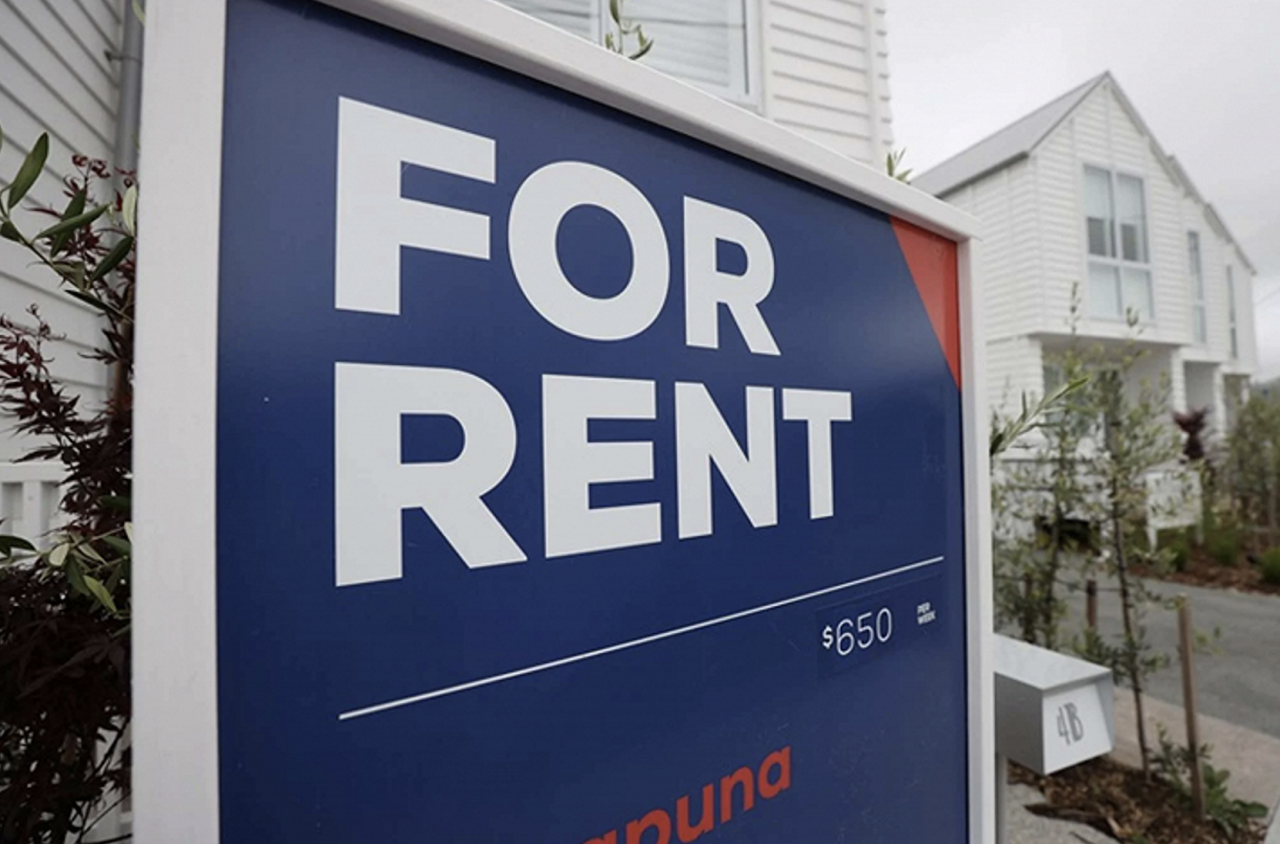
While most people are still waiting to see whether interest rates will fall further and house prices have truly bottomed out, a series of important data releases and policy signals has quietly begun to shape the housing market’s direction over the coming months. Sales activity is recovering, competition among mortgage lenders is intensifying, and renewed inflation is clouding expectations of rate cuts. Meanwhile, a tenancy compensation award of NZ$3500 has sounded a warning for every landlord.
This article examines six key trends that property investors and homebuyers should be watching, from market performance and policy direction to buyers’ bargaining power and rental risks, helping you find your bearings and seize opportunities amid changing conditions.
01 Recovering sales do not signal a boom: buyers still have room to negotiate
The latest figures show that approximately 8200 properties changed hands across New Zealand in May, up 16% year on year. This was the 24th increase in the past 25 months. While that sounds encouraging, Cotality Chief Economist Kelvin Davidson reminds us that the current growth represents a rebound from the lows of 2022–23. Although activity is now slightly above its historical average, with May figures 5% above the average for the same month since 2016, the market overall is far from booming.
More importantly, listings remain plentiful, meaning sellers have yet to gain the upper hand. For buyers, this offers a valuable window for negotiation.
02 First-home buyers and investors both enter the market
The data reveals a shift in the buyer mix: in April and May, first-home buyers accounted for 27% of sales, close to a historical high. Investors, including owners of multiple properties, are also gradually returning, with their market share rising to 24%, above the low of 21% a year earlier.
The latest figures show that approximately 8200 properties changed hands across New Zealand in May, up 16% year on year. This was the 24th increase in the past 25 months. While that sounds encouraging, Cotality Chief Economist Kelvin Davidson reminds us that the current growth represents a rebound from the lows of 2022–23. Although activity is now slightly above its historical average, with May figures 5% above the average for the same month since 2016, the market overall is far from booming.
More importantly, listings remain plentiful, meaning sellers have yet to gain the upper hand. For buyers, this offers a valuable window for negotiation.
02 First-home buyers and investors both enter the market
The data reveals a shift in the buyer mix: in April and May, first-home buyers accounted for 27% of sales, close to a historical high. Investors, including owners of multiple properties, are also gradually returning, with their market share rising to 24%, above the low of 21% a year earlier.
Clearly, as interest rates gradually fall, some small and medium-sized investors are finding that they need to contribute less each week to cover their mortgage shortfall, making a purchase feel less daunting. This quiet return may mean that competition will intensify once the market turns.
03 Economic data lags behind, and confidence will take time to recover
Although first-quarter GDP growth of 0.8% exceeded expectations, Kelvin’s message was blunt: “Don’t get too excited.” Those figures reflect conditions three months earlier, while the economy has remained under strain in recent months.
The average fixed mortgage rate is currently 5.9%, and many borrowers will soon refix at below 5%. In principle, this should inject energy into the economy. But if most people choose to tuck away their interest savings by saving more or repaying their mortgages early, the money circulating in the market will not increase substantially, and the housing recovery will be slower.
04 Inflation pressures persist, and interest rates may stay on hold
Price data for May shows continued increases in key categories such as food and energy. Although rents remained stable, overall second-quarter CPI inflation is likely to exceed the first quarter’s 2.5%. This has increased uncertainty over whether the Reserve Bank of New Zealand will cut rates on 9 July.
Furthermore, Westpac Chief Economist Kelly Eckhold notes that the economy is navigating conflicting signals from growth and inflation. On one hand, first-quarter GDP grew by 0.8%, twice the Reserve Bank of New Zealand’s forecast. On the other, more recent high-frequency economic data suggests growth may slow sharply in the second quarter, even as inflation picks up again.
In Westpac’s latest Weekly Economic Commentary, Eckhold said plainly: “Economic indicators and data have been all over the place in recent weeks. While there are signs that 2025 will be a year of gradual recovery, plenty of potential disruptions remain, and the road to recovery could be bumpy.”
He therefore considers it highly likely that the Official Cash Rate (OCR) will remain unchanged at 3.25% in July, with the Reserve Bank continuing to “watch, worry and wait for greater clarity”. Although Westpac still expects rate cuts could begin in August, persistently rising inflation or geopolitical shocks to global supply, such as events in the Middle East affecting oil prices, could force the Reserve Bank to delay easing.
Eckhold also stressed that, although global uncertainty will constrain the Reserve Bank’s actions in the short term, New Zealand’s strong terms of trade and relatively low interest rates will have a more profound influence on the economy and inflation over the medium to long term.
05 More borrowers switch banks as competition intensifies
Another signal that cannot be overlooked is the wave of bank switching in the mortgage market. More borrowers are moving to banks offering better cashback incentives and interest rates, particularly those already on floating or short-term fixed rates who can switch without paying break fees.
This reflects a broader reality: although the overall market has yet to surge, individual consumers are actively seeking the best deals, and competition among financial institutions is intensifying.
06 Healthy Homes deadline approaches, sounding a warning for the rental market
As attention centres on property sales, a North Shore tenancy case has highlighted another issue worth watching: housing quality and compliance risks.
A tenant renting a property in Glenfield on Bryers Place successfully claimed NZ$3500 from the landlord’s agent, Quinovic Takapuna, because the property did not comply with the Healthy Homes Standards. The issues included inadequate insulation, ventilation and heating, as well as poor sanitation. Persistent mould in the bathroom caused health concerns and emotional distress.
The adjudicator found that the landlord knew the property was non-compliant but failed to remedy the problems promptly, constituting a deliberate unlawful act deserving public condemnation. From 1 July this year, all New Zealand rental properties must fully comply with the Healthy Homes Standards. For investment property buyers, this sets a new regulatory threshold and changes the parameters of operating costs and risk.