
House prices stabilise as the property market awaits a turning point: are the data signalling improvement? This week’s key developments for property investors
After six consecutive OCR cuts, the Reserve Bank of New Zealand suddenly put on the brakes, holding the rate steady in July. Although this pause had been expected, it unexpectedly slowed the housing market’s recovery.
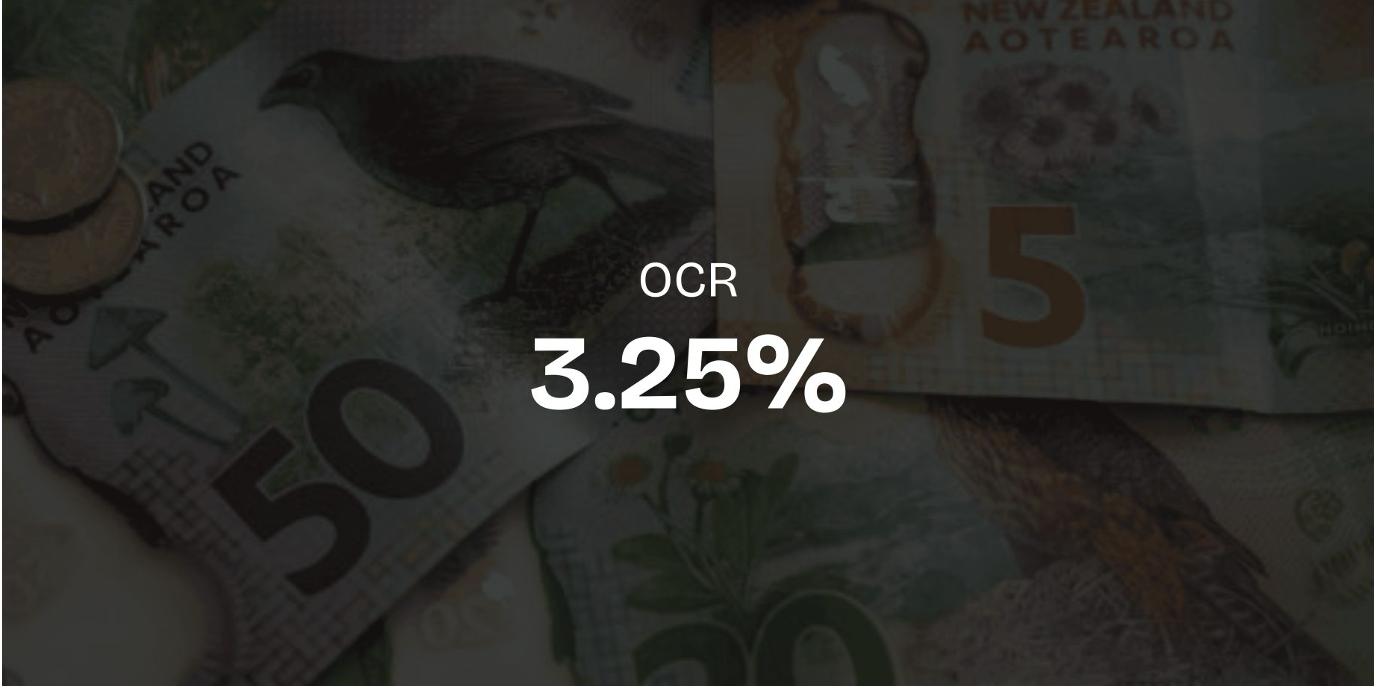
After six consecutive OCR cuts, the Reserve Bank of New Zealand suddenly put on the brakes, holding the rate steady in July. Although this pause had been expected, it unexpectedly slowed the housing market’s recovery.
Just as more buyers were returning to the market and bank interest rates had fallen back into the 4 per cent range, the brief delay in the policy turning point left many wondering: will the recovery still arrive on schedule? The market has not stalled, but it has clearly cooled. Buyers are hesitating and sellers are waiting. Listings remain plentiful, but sales success rates are falling again, and the inclination to wait is blurring the direction of the recovery.
More significantly, while debate continues over the market’s short-term pace, a Reserve Bank of New Zealand research report has quietly raised a question with far greater implications than whether rates are cut: population ageing will constrain interest rate increases over the long term, and may even force the Government and the Reserve Bank to rethink the tools available to address economic problems.
1 Interest rates on hold, but expectations still point to August
The Reserve Bank of New Zealand’s Monetary Policy Committee unanimously decided last week to pause rate cuts, citing renewed price pressures in areas such as food and energy despite the overall easing in inflation. The Reserve Bank stressed that it needs more data to confirm a clear trend, particularly the second-quarter inflation figures due on 21 July.
The market widely expects the next rate cut, of 0.25%, at the OCR meeting on 20 August. Cotality chief economist Kelvin Davidson said: “If everything goes to plan, further rate cuts are still on the way.”
Nevertheless, the pause left the market somewhat disappointed. Ray White New Zealand CEO Daniel Coulson said the property market had shown signs of recovery over recent months, and many in the industry had hoped for another OCR cut to further bolster confidence. He said: “This decision may mean the recovery continues at a modest pace, particularly while economic headwinds have yet to fully subside.”
Meanwhile, Realestate.co.nz CEO Sarah Wood said many homeowners and buyers were hoping for further mortgage relief. “Stability is welcome, but lower interest rates would undoubtedly stimulate demand more quickly.”
2 Reserve Bank research: ageing will put long-term downward pressure on the neutral interest rate
Admittedly, the difficulty of cutting interest rates may be only the immediate problem. The deeper challenges are only just beginning.
According to a research bulletin released by the Reserve Bank this week, population ageing will be a key factor constraining interest rate increases over the coming decades. By 2050, a quarter of New Zealand’s population is expected to be aged 65 or over.
This will have several far-reaching consequences:
-
Higher saving rates will lower the neutral interest rate, the “natural” rate needed to keep the economy running steadily;
-
Lower risk appetite will draw investors towards lower-risk assets, curbing speculative pressure on the prices of assets such as property and shares;
-
Fiscal policy will be constrained as pension and healthcare spending soars. Pension spending is projected to rise from 5% to 7.7% of GDP, and healthcare spending from 7% to 10%, leaving the Government extremely limited room to respond to economic shocks.
The Reserve Bank warned that monetary policy may face a greater risk of having to resort more frequently to unconventional tools. Measures such as large-scale asset purchases, or quantitative easing (QE), may become routine rather than a last resort.
3 Construction cost growth stabilises, helping contain inflation
One positive signal for property comes from the construction sector. According to the Cordell Construction Cost Index, construction costs rose just 0.6% in the second quarter of this year, with annual growth of 2.7%, well below the long-term average. This suggests the sector is slowly recovering from the downturn of the past three years, with overall price growth remaining moderate.
Behind this is spare capacity accumulated during the earlier industry downturn: construction crews have gaps in their schedules and materials are relatively plentiful, making substantial increases in building costs difficult.
Over the medium term, migration growth and low interest rates will support construction demand. However, a significant rebound in new projects will require further progress in clearing existing-home inventory to rekindle buyers’ interest in new homes.
4 Mortgage strategies vary as confidence remains short of a full recovery
The latest Reserve Bank of New Zealand data show the following breakdown of new mortgages in May:
-
34% opted for floating rates;
-
40% opted for short fixed terms of 6–12 months;
-
26% opted for longer fixed terms of more than a year.
This suggests buyers are gradually entering the market while remaining cautious: they want to benefit from falling interest rates but are reluctant to give up the security of fixing altogether.
Kelvin Davidson said that although mortgage rates were well below their peak, economic uncertainty was still encouraging many households to remain cautious. In particular, borrowers about to move from high fixed rates to lower rates were “more likely to save the money freed up than immediately spend it or buy property”.
LJ Hooker New Zealand network head Cameron Dunoon also noted that while market activity had picked up slightly in areas such as Christchurch, Hamilton and Tauranga, confidence overall remained in the early stages of recovery.
5 Sales are recovering, but the path ahead remains cautious
Property market activity is indeed picking up, but that does not mean a full recovery. According to interest.co.nz monitoring, the national auction sales success rate from 5 July to 11 was 39%, slightly below the previous week, indicating that the market is still taking time to warm up.
However, Coulson said the pause was not a negative development. Instead, it offered a stable environment in which participants could plan and make decisions with greater confidence. “Market confidence has improved considerably compared with this time last year,” he said.
Realestate.co.nz’s Sarah Wood also stressed that house prices were relatively stable and listing numbers remained high, reaching 36,000 homes in April and still sitting at around 32,000 in July. This presented a good opportunity for buyers: “People have clear price expectations and plenty of choice. This is a window to act.”
6 Data ahead of the CPI release will determine whether August brings a turning point
The selected price indexes for June are due out this week. Covering approximately 45% of the quarterly CPI basket, these data are viewed by the Reserve Bank of New Zealand as a forward-looking inflation indicator. In recent months, food and energy prices have continued to push the measure higher, while rental growth has slowed.
If the figures are moderate as expected, a rate cut in August will be all but certain. But if they continue to rise, the Reserve Bank may hold rates again, which would deal a blow to market sentiment.
What do you think of the housing market’s current pace and the outlook for interest rates? Share your views in the comments and join the discussion.