
Figures stop falling, costs stabilise and policy lends support: are all three ingredients for a construction recovery in place?
For the past three years, New Zealand’s construction sector has struggled through a storm. From pandemic disruption to supply chain crises, and from rampant inflation to waves of business failures, construction has become something of a barometer of economic volatility: its weakest points have been the first to break. Now, though, perhaps we really can breathe a little easier.
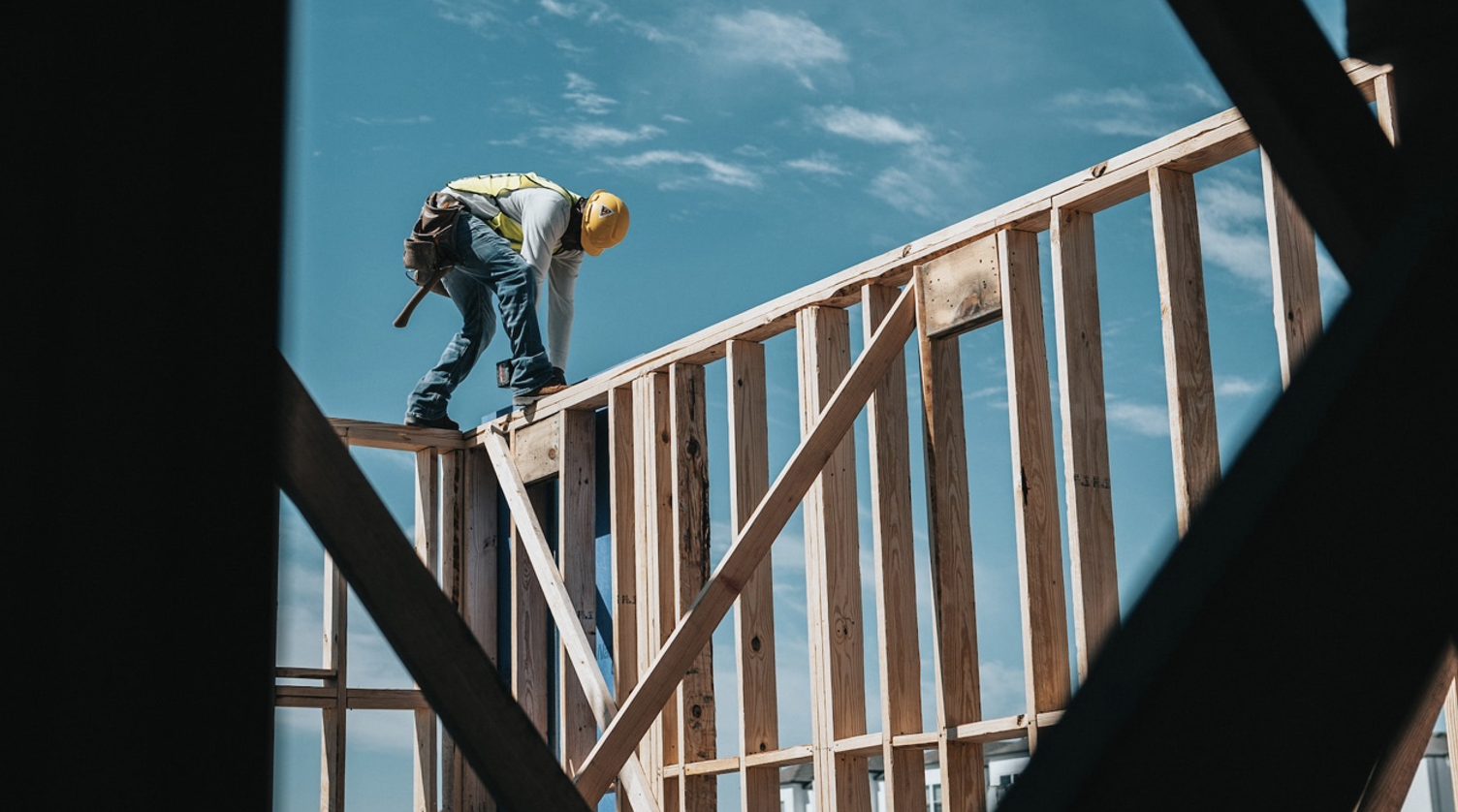
For the past three years, New Zealand’s construction sector has struggled through a storm. From pandemic disruption to supply chain crises, and from rampant inflation to waves of business failures, construction has become something of a barometer of economic volatility: its weakest points have been the first to break. Now, though, perhaps we really can breathe a little easier.
Observations from Master Builders chief executive Ankit Sharma, together with the latest consent figures, cost trends and completion data, point to a clear conclusion that still leaves little room for excessive optimism: New Zealand’s construction sector is gradually emerging from its downturn, but the road to recovery is uneven.
1 Figures stop falling: the worst may be over
The latest statistics show residential consent numbers have fallen for three consecutive years, from 51,015 homes in May 2022 to 34,851 in 2024. By May 2025, however, the figure had slipped only to 33,530, with the change narrowing to -3.8%, markedly smaller than the previous year’s -22.8%. In Auckland, Code Compliance Certificate numbers were broadly unchanged between March and April (1256 versus 1255), also suggesting that home completions may have bottomed out.
Put simply, the decline in consents is easing and completions are finding a floor: these are the construction market’s first signs of green shoots.
Meanwhile, the mix of construction is changing. Consents for apartments and standalone homes have grown slightly year on year, while townhouses and retirement units remain in adjustment. This structural recovery suggests developers are responding more precisely to market demand rather than blindly pursuing volume.
2 Easing costs: no longer a stumbling block to building
Costs were once the final straw that broke the industry’s back. Now that burden is becoming lighter.
According to Cotality’s Cordell Construction Cost Index, construction costs rose just 2.7% year on year in Q2 2025, well below the extraordinary pandemic-era increases of up to 10.4%. Although quarterly growth picked up slightly, from 0.3% in Q1 to 0.6% in Q2, it remained broadly manageable.
Cotality chief economist Kelvin Davidson said the easing was mainly due to fewer residential construction starts, which freed up capacity and relieved price pressures. This gives builders, developers and consumers more stable cost expectations. In other words, there is less need to worry about signing a contract today only to face a price rise tomorrow.
3 Confidence returns, but the recovery remains uneven
One word Ankit Sharma repeatedly heard during the nationwide Constructive Summit tour was “patchy”.
In Queenstown and Central Otago, builders are “flat out”. In northern Auckland, Waikato and other areas, however, many projects remain on hold: enquiries are plentiful but few translate into work, council approvals are slow, and developer confidence remains weak.
This divergence is no accident. It reflects a recovery still constrained by approval processes, population trends and regional economic fundamentals. Confidence is not a nationwide pass issued to everyone at once; it is earned through tangible progress by individual councils and on individual projects.
4 Policy response: has the Government really listened?
One source of modest reassurance for the industry is a more supportive policy climate.
The investment deduction introduced in Budget 2025, allowing immediate depreciation of 20% of an asset’s value, is expected to encourage developers to invest and start work sooner. Meanwhile, the Government’s proposed economic benefit test for local procurement could help domestic builders secure a greater share of projects.
But as Sharma said, confidence does not pay the bills: promises must be delivered. Unless the Government brings consistency and transparency to procurement rules, risk sharing and early involvement mechanisms, any positive measures will remain on paper rather than generate momentum.
5 The market window is open: the key is having the confidence to act
Easing costs, falling interest rates and stable prices: when these factors align, a window opens for a new homebuilding cycle.
Sharma said the current moment is “a better time to start building than the past few years”. But whether developers and people building their own homes actually get started will depend on whether they believe the country’s systems are moving forward and the industry is returning to a more rational footing.
That is the factor that will truly determine the direction of New Zealand’s construction sector over the next three years.
Conclusion: the construction sector’s recovery
is a contest between confidence and reality
Construction is more than an industry in isolation. It connects employment, tax revenue, regional economies and even national confidence.
When figures stop falling, costs stabilise and policy becomes more supportive, can we declare that recovery has arrived? Not yet. But these developments offer a signal: if the Government sets a clear course, local authorities remove obstacles and the market is willing to act, construction is fully capable of entering a second golden era.
This time, it will be built on dependable expectations, processes and trust, rather than speculative money and subsidies.