
From global home furnishings giant IKEA to New Zealand’s largest Pak’nSave: who is redefining Auckland’s commercial landscape?
Even before opening its doors, New Zealand’s first IKEA store has stirred excitement across the city. 15,000 people are competing for 500 jobs, Auckland Transport has urgently stepped in to plan traffic management, and Kiwi Property’s chair personally backed the store at the annual shareholders’ meeting. Not far away, at the other end of Takapuna, a former landfill has quietly received approval to become a supermarket giant, bringing together a $100,000,000 investment, 200 jobs, elevated parking and flood protection systems.
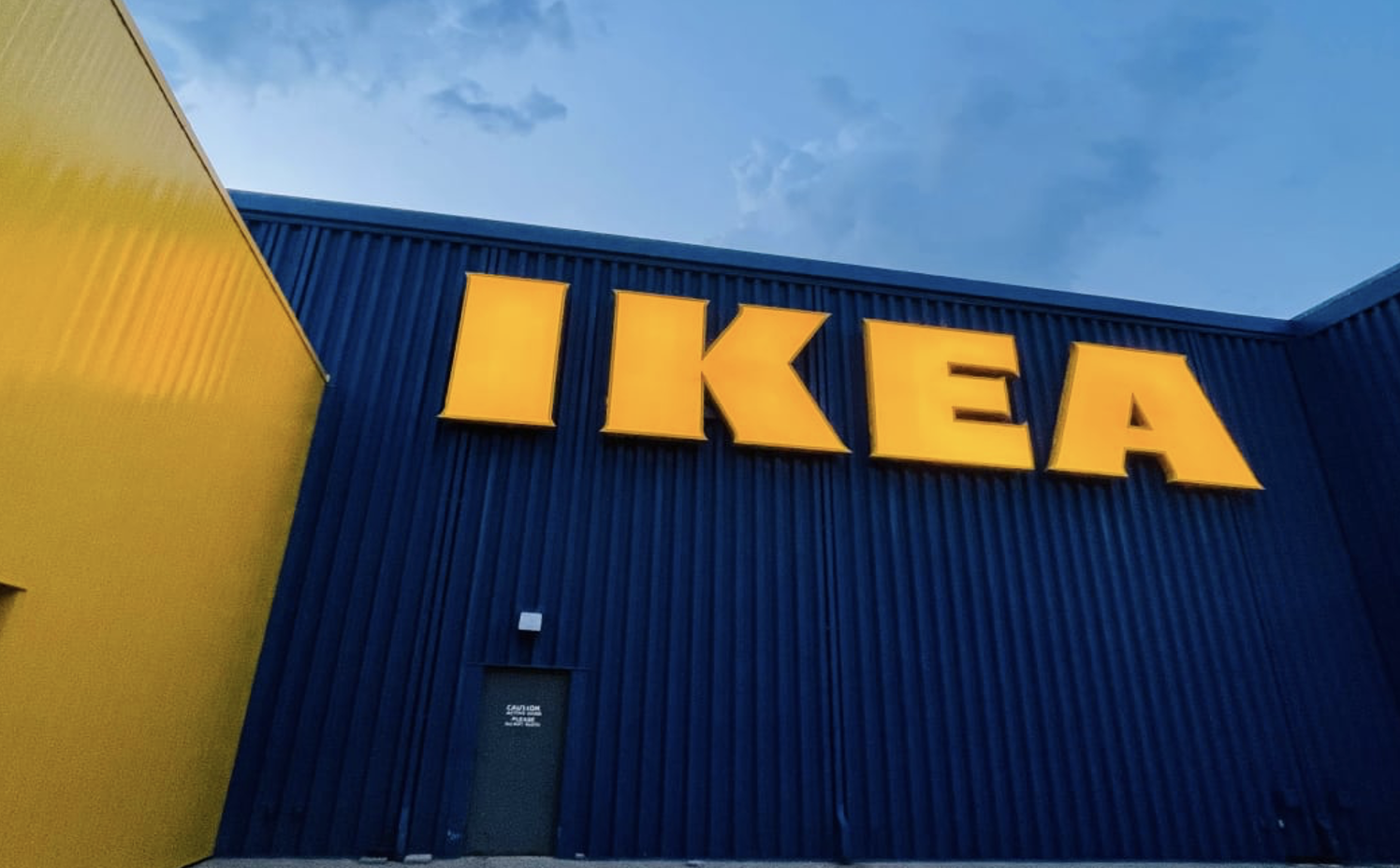
Even before opening its doors, New Zealand’s first IKEA store has stirred excitement across the city. 15,000 people are competing for 500 jobs, Auckland Transport has urgently stepped in to plan traffic management, and Kiwi Property’s chair personally backed the store at the annual shareholders’ meeting. Not far away, at the other end of Takapuna, a former landfill has quietly received approval to become a supermarket giant, bringing together a $100,000,000 investment, 200 jobs, elevated parking and flood protection systems.
These are more than two new store openings: they represent a new contest involving retail, property and urban space. As IKEA and Pak’nSave reshape their Auckland presence through global brand power and local operating strength respectively, we must ask: in this changing city, are they simply retail outlets, or forces reshaping how the city works?
Traffic pressures build before IKEA arrives
IKEA’s location beside Sylvia Park in Mt Wellington is hard to dispute: an established commercial area with good rail connections and road networks offers the ideal entry point any international brand would want. But the more attractive the entry point, the more readily it can become a source of pressure.
Kiwi Property chair Simon Shakesheff told the annual shareholders’ meeting that IKEA would “most likely open during the Christmas trading season at the end of the year”. He stressed that a traffic mitigation plan was being developed jointly with Auckland Transport to manage the initial influx of visitors. “Sylvia Park’s connections to the railway station and bus network will be key to addressing the traffic impact.”
IKEA under construction
Meanwhile, IKEA retail manager Tolga Oncu admitted in an interview with the NZ Herald: “I’m nervous.” Despite having 480 stores worldwide, entering a new country means starting everything afresh. He said: “We will come to New Zealand, engage in dialogue, exchange ideas and work to support and improve the everyday life at home for New Zealanders.”
That statement is more than a brand declaration; it also defines the value IKEA seeks to offer. IKEA aims to reshape people’s vision of life at home, rather than simply replicate a store.
Its wider social impact is already becoming apparent. IKEA, which originally planned to employ 400 staff, has expanded recruitment to 500. By late May alone, more than 15,000 people had submitted applications, demonstrating New Zealanders’ receptiveness to and engagement with the brand.
Pak’nSave: retail as infrastructure, against the tide
Progress on another quieter but substantial project emerged almost alongside IKEA’s: a new Pak’nSave in Takapuna, expected to be completed in 2029.
It will stand at 6 Fred Thomas Drive, on land used as a landfill for half a century. The site will now accommodate a 6,400-square-metre supermarket and 197 elevated parking spaces. More importantly, almost the entire design centres on managing flood risk.
Foodstuffs North Island general manager of retail and property Lindsay Rowles noted that the site faced extreme weather challenges. The design combines an elevated retail floor, parking below and stormwater diversion, alongside upgraded drainage across the site, to make the building both attractive and resilient.
This is a long-term investment closely integrating engineering, climate, transport and community expectations, rather than a development built quickly for a quick sale. With the North Shore’s retail landscape changing and development sites scarce, the project could mark a future shift in the area’s commercial centre of gravity.
Retail projects, or partners in building the city?
On the surface, IKEA and Pak’nSave represent two different directions: the arrival of a global brand and the expansion of local essential retail. But their real common feature is this:
Both have moved beyond straightforward retail developments to become embedded in the way the city operates and in its social fabric.
IKEA is reshaping consumer experiences, lifestyles and the movement of people through the area, while Pak’nSave is strengthening community functions, emergency resilience and logistics efficiency.
The driving forces include more than the retailers themselves: Kiwi Property, Foodstuffs, Auckland Transport, the council and Watercare are all involved. Large retail projects have become urban systems requiring collaboration across multiple organisations to an unprecedented degree.
Changing lifestyles are shaping a new Auckland
Whether it is IKEA, covering the area of three rugby fields, or an elevated Pak’nSave designed to withstand flooding, these developments are more than places to shop. Beyond changing traffic routes and employment figures, they influence lifestyles and expectations for more sensible use of urban space. Together, they are helping reshape a city, from its spatial layout and infrastructure to the ways people interact.
The city of the future may be shaped by more than government planning alone: behind these seemingly ordinary commercial properties, it is being rewritten piece by piece. Are you also looking forward to the opening of these two retail giants? Share your views in the comments.