
After the dovish statement, are the real risks for New Zealand property only just beginning? Can the hoped-for “soft landing” be achieved?
If inflation falls as planned, this will be a successful policy balancing act. But if growth exceeds expectations and price pressures persist, today’s accommodative stance could set the stage for renewed tightening.
There was little surprise when the Reserve Bank of New Zealand announced last week that it would hold the Official Cash Rate (OCR) at 2.25%. New Governor Anna Breman’s first Monetary Policy Statement struck a relatively mild tone. The Reserve Bank believes there is still some “spare capacity” in the economy and that inflation will gradually ease towards 2% during 2026. Its latest Monetary Policy Statement forecasts GDP growth of around 2.9% this year, with unemployment expected to fall to 4.8% by year-end.
The official narrative paints a picture of a “soft landing”: the economy is recovering, while inflation risks remain manageable. Financial markets’ response, however, sends a more complex signal.
Banks have already begun repricing
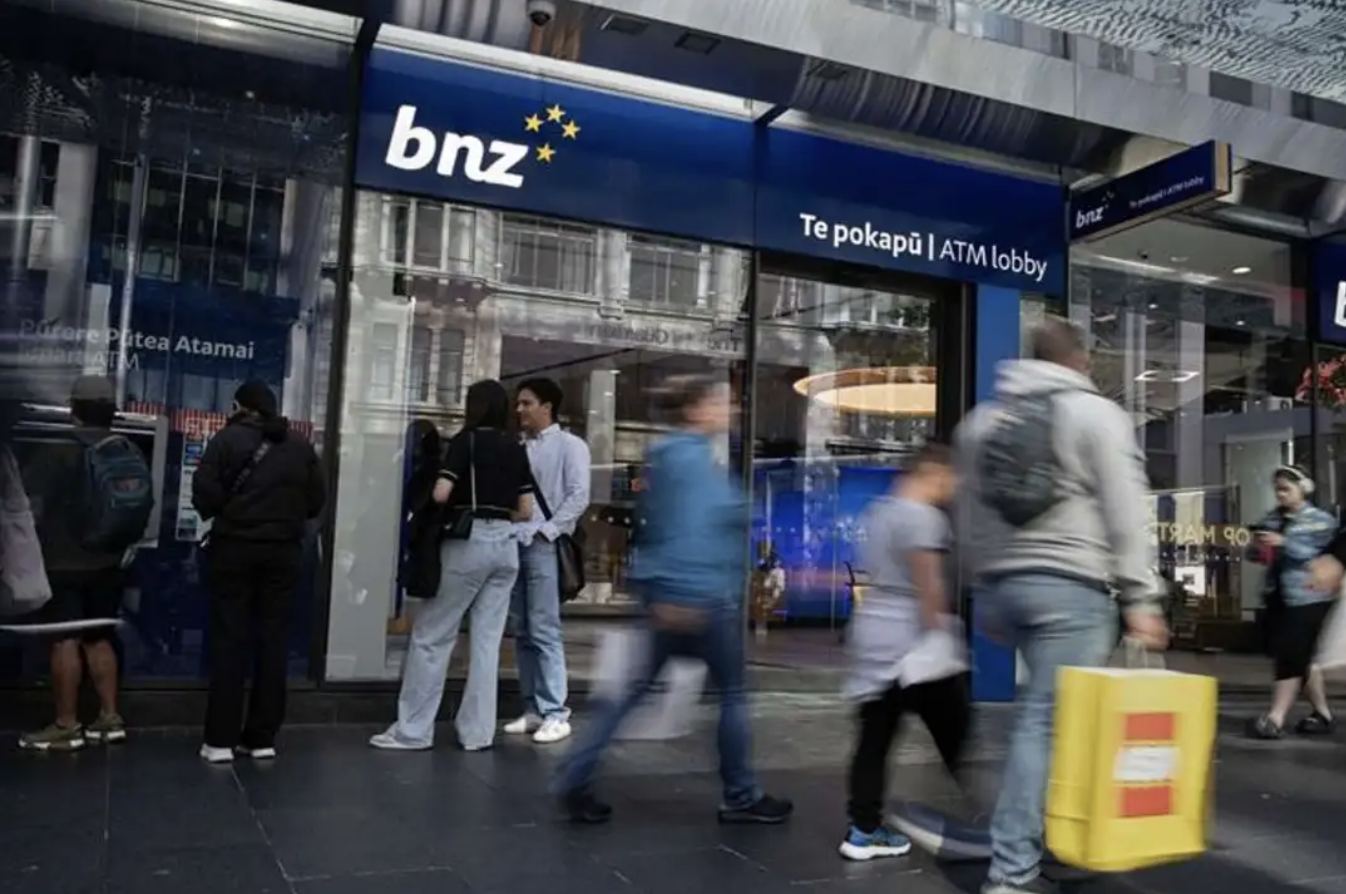
Shortly after the OCR decision was announced, Westpac cut its three-, four- and five-year fixed mortgage rates by 16 to 20 basis points. The move came just after several banks had raised longer-term rates, showing how quickly expectations for the future interest rate path are being revised.
Meanwhile, three- and five-year swap rates fell by more than 20 basis points. Banks’ rate adjustments are essentially a vote expressed through the price of funding: they reflect judgements about future policy direction rather than a response to the current OCR level.
This means the pressure for further mortgage rate rises in the short term has eased significantly. Stable interest rates, however, do not mean the risks have disappeared.
The housing market is no longer falling sharply, but it is hardly rebounding
Changes are also becoming apparent in the property market. According to data from Realestate.co.nz, sellers nationwide reduced their asking prices by an average of around NZ$30,000 in the fourth quarter of 2025, with total reductions exceeding NZ$40,000,000. While still substantial, this was clearly below the roughly NZ$55,000,000 in total reductions recorded a year earlier. More importantly, only around 3% of listings had their prices reduced, the lowest proportion in two years.
This does not mean the market has recovered, but it at least suggests that the phase of panic-driven repricing may be ending. Sellers are pricing more realistically, and buyer confidence is showing a modest improvement.
Regional differences remain pronounced. According to BNZ’s Eco-Pulse report released on 20 February 2026, the South Island continues to lead the country. Annual house price growth reached 12% in Southland, 4.6% in Otago and 2.8% in Canterbury. Wellington, meanwhile, recorded an annual decline of 3.5%, while Auckland continued to edge lower.
The rental market is also showing differences. BNZ’s report indicates that rents for new tenancies in Wellington fell by around 7% over the past year, while Otago and Canterbury maintained growth.
The structural divergence between the North and South Island property markets remains the defining feature of the current housing market.
Are the Reserve Bank’s assumptions too optimistic?
The Reserve Bank believes there is still significant spare capacity in the economy, allowing inflation to fall as growth recovers. BNZ’s Eco-Pulse report, however, notes that the recovery is broadening and gradually accelerating, particularly in the South Island.
The labour market is also showing signs of improvement. BNZ data shows employment recovered in the fourth quarter of last year. Unemployment rose to 5.4%, but is thought to be approaching its cyclical peak. The Reserve Bank forecasts that unemployment will gradually fall below 5% over the coming year.
The question is whether inflation will fall as smoothly as the models predict in an environment of growth approaching 3%, improving employment and declining long-term interest rates.
If global oil prices remain high, the New Zealand dollar fails to appreciate consistently, or businesses regain pricing power, non-tradables inflation could prove more persistent. Once inflation deviates from the forecast path, policy will also be forced to change direction.
Global risks are still waiting in the wings
International factors also affect New Zealand’s economy. US inflation data is sending mixed signals, economic growth is slowing and expectations of Federal Reserve rate cuts are increasing. Geopolitical tensions are pushing up oil prices, while the US dollar has yet to establish a clear trend. The New Zealand dollar briefly fell below 0.60 before quickly stabilising, suggesting the market has yet to commit to a one-way bet.
With global capital flows still sensitive to developments, it is difficult for New Zealand to operate entirely independently.
Comment and reflection: have we underestimated the strength of the recovery?
With the OCR held steady this time, the issue that really warrants reflection is less whether rates should rise than what state the economy is actually in.
The Reserve Bank believes some residual warmth remains in the economy and inflation will ease naturally. The market, meanwhile, is beginning to see tangible signs of recovering employment, rising regional house prices and banks proactively cutting longer-term rates.
If inflation falls as planned, this will be a successful policy balancing act. But if growth exceeds expectations and price pressures persist, today’s accommodative stance could set the stage for renewed tightening.
Taken together, what trend do you see in the divergence between North and South Island housing markets, banks’ pricing decisions and recovering employment?
Do you see a manageable soft landing, or are risks still lurking beneath the surface?
Share your assessment in the comments.