
Burst apartment pipes cost $1,800,000, a $30,000 new roof still leaks: why do New Zealand homeowners always end up footing the bill?
An apartment complex in Auckland’s Mt Wellington, completed only about a decade ago, has required a full replacement of its hot-water pipes after they developed cracks, leaving the owners of 107 apartments to cover NZ$1,800,000 in repair costs.
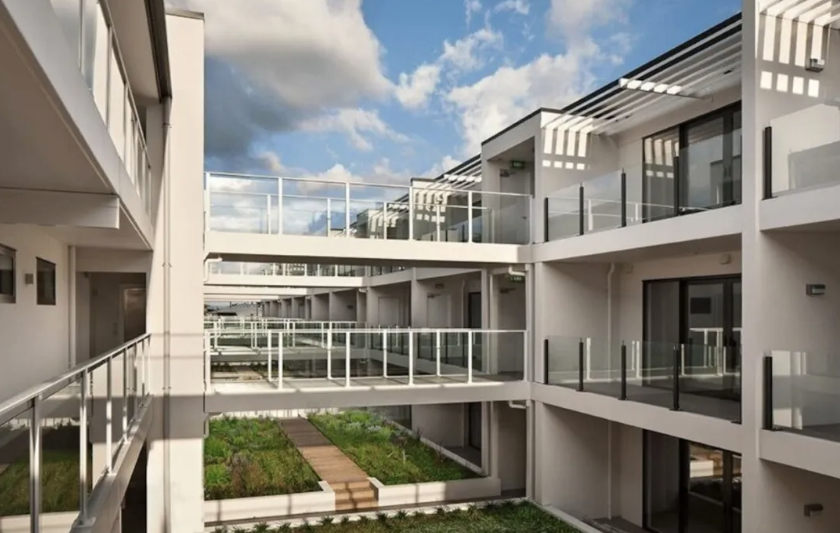
An apartment complex in Auckland’s Mt Wellington, completed only about a decade ago, has required a full replacement of its hot-water pipes after they developed cracks, leaving the owners of 107 apartments to cover NZ$1,800,000 in repair costs. Meanwhile, a Gisborne homeowner spent more than NZ$30,000 replacing her roof, only for the new roof to leak in several places during heavy rain, leaving the family using buckets and towels to catch the water. The incidents occurred in different cities, involved different types of homes and had different causes, yet the owners found themselves in much the same position: they had believed they were buying a home that met the required standards or a professional building service, but when problems arose, holding someone accountable proved far harder than paying for repairs.
A decade-old apartment complex replaces kilometres of hot-water pipes
Completed in 2016, Thompson Park Apartments comprises two four-storey buildings containing 107 apartments with one to three bedrooms. About a decade after completion, however, the buildings’ hot-water pipes developed cracks and other damage. To eliminate the risk fully, the body corporate decided to replace the hot-water pipes throughout the complex. PJM Project Management, which managed the work, said “several kilometres” of pipes were removed and replaced. The total cost was approximately NZ$1,800,000, shared among owners according to apartment size or ownership share. Divided equally, that would be about NZ$16,800 per apartment, although individual owners’ actual contributions varied. For households still paying mortgages alongside council rates, insurance and body corporate fees, this was clearly no easy expense to absorb. More than 100 residents continued living in the buildings during the repairs, and some briefly lost access to hot water.
Clearwater Construction, which built the apartments, said it had been unaware of the pipe problems until approached by the media. Managing director Mike Sullivan said the hot-water pipes used during construction had BRANZ approval and the buildings had been completed about a decade earlier, so the builder did not consider itself liable. In his view, liability was more likely to lie between the pipe manufacturer and the apartment owners. However, the information publicly available does not explain the specific cause of the cracking. A professional investigation would still be needed to establish whether the cause lay with the product, design, installation, operating conditions or a combination of factors.
BRANZ approval means a product can meet the relevant building requirements when used for its specified purpose and correctly designed and installed, but it does not provide an unlimited guarantee of long-term performance. When problems arise, material suppliers, designers, builders and installers each have defined responsibilities. To prevent further damage, owners often have little choice but to pay for repairs first and then investigate whether they can recover the costs.
This is also the greatest risk apartment owners face when dealing with building-wide problems. Even if a fault is outside their own apartment and was not caused by them, all owners may face a special levy if it involves shared facilities such as communal pipes, roofs, exterior walls or lifts.
More than $30,000 spent, yet the new roof leaks even worse
The experience of Gisborne homeowner Swinitha Brown exposes another type of risk in the home repair market. Brown is a registered nurse. She and her husband wanted to replace their old roof, which had been in use for about 40 years, so they obtained quotes through the online platform Roofbuddy and ultimately chose a contractor from Napier. The work cost more than NZ$30,000 and was completed in July 2025.
Shortly after it was installed, the new roof began leaking in several places during heavy rain. Footage supplied by the homeowner showed rainwater dripping near the kitchen rangehood, water stains in the hot-water cupboard and a bathroom wall bulging from water ingress. From the attic, daylight was even visible through holes in the roof. Another roofing company invited to inspect the work found multiple problems, including rusted and damaged flashings, components beginning to come loose, cracked or missing clear roofing panels, and extensive use of silicone to fill gaps. Its report described the roof, completed only about six months earlier, as being in poor condition and recommended removing it entirely and redoing the work. The media subsequently confirmed that the contractor who took on the job was not personally a Licensed Building Practitioner, or LBP, and that his company later ceased trading.
How much protection does “vetted” really offer?
Brown had not simply picked a contractor at random from the market. She used a platform that advertised help finding “vetted” and “trusted” roofers. Roofbuddy said it had checked the business’s registration details, liability insurance and previous work, and obtained a recommendation from an LBP. The contractor also said someone on his team held the relevant licence. However, what the platform meant by “vetting” may not have fully matched consumers’ understanding of those claims. An ordinary homeowner could easily assume the platform had verified the qualifications and competence of the people actually doing the work and would provide some assurance of workmanship.
Roofbuddy chief executive James Logan acknowledged that the workmanship was below standard and apologised to Brown. After the case went to the Disputes Tribunal, the platform agreed to supply new materials and pay for the roof to be reinstalled. However, agreeing to remedy the problem does not mean the platform has admitted legal liability for the defective work. Liability remains to be determined, and the original contractor did not attend the hearing.
After the incident came to light, Roofbuddy changed the wording about qualifications on its website and said it had strengthened its vetting by checking the public LBP register directly. The platform also said that, including Brown’s case, it had handled 38 incidents involving contractors who could no longer be contacted, unfinished work or substandard workmanship, helping customers through refunds, completion of the work or payment of additional costs. The question, therefore, is not whether platforms serve any purpose, but whether their vetting standards meet consumers’ reasonable expectations when they advertise contractors as “vetted” and “trusted”.
Meeting legal minimums does not guarantee professional standards
A contractor’s lack of LBP status does not necessarily mean it is unlawful for them to take on a roof replacement. MBIE said some roofing work affecting a home’s primary structure or weathertightness may be Restricted Building Work and must be carried out or supervised by an LBP. However, replacing old roofing with similar materials may not require the contractor to be an LBP; the position depends on the nature of the work and the applicable consent requirements. The problem is that the absence of a legal licensing requirement does not mean the work carries little risk. Poor roofing work can damage far more than a few sheets of roofing iron: walls, insulation, electrical equipment and interior finishes may also be affected.
Consumers are left facing the gap between minimum legal requirements and actual professional competence.
Commentary and reflection: While responsibility can be divided across multiple parties, homeowners cannot put off paying the bill
Burst apartment pipes and a leaking new roof are different types of building defect, and there is currently no evidence that they share a cause. Yet both expose a reality in New Zealand’s residential construction and repair market: when problems arise, responsibility can be divided across multiple parties, but the repair bill cannot wait. Material suppliers are responsible for products, designers for plans, builders for construction, subcontractors for installation, online platforms for introductions and vetting, and bodies corporate for shared facilities, while insurers decide whether to pay claims under their policies. Each party has its own scope of responsibility and may offer a seemingly reasonable explanation.
For homeowners, however, the house is leaking, the pipes need replacing and daily life is already disrupted. Whoever ultimately bears responsibility, owners often have to find the money first to prevent further losses, then spend time investigating the cause, engaging experts, checking contracts and dealing with the businesses involved. What makes these incidents particularly worthy of attention is not whether new homes or renovation work can develop problems—no building can be guaranteed never to fail—but whether consumers can truly understand the extent of the protection they are buying when they make their decisions.
“Approved materials” are not guaranteed never to fail, and a “vetted contractor” does not necessarily come with guaranteed workmanship. Consumers see a complete home or a professional service, but behind it may sit a complex system assembled from multiple businesses, contracts and boundaries of responsibility. These distinctions are rarely obvious in everyday circumstances. Once a serious defect emerges, gaps in the chain of responsibility quickly become apparent.
For apartment owners, this risk is more concentrated. Even if their own apartment has no leaks and they have caused no damage, they may face special levies running into tens of thousands of dollars if a problem involves communal pipes, exterior walls, roofs or other shared facilities. House prices and mortgages determine how much buyers must pay to purchase a home, while building quality and the body corporate’s management capability determine how much more they may have to spend to own it.
The rapid growth of the platform economy has also raised new questions about traditional divisions of responsibility. If a platform merely provides quotes and contact details, it should clearly explain the limits of its service. If it uses “vetted” and “trusted” as selling points, it should make clear to consumers what has been checked, who is responsible for verifying it, and what protection is available if the work goes wrong. The greater the trust generated by its marketing, the greater the expectations of responsibility the platform will face.
The NZ$1,800,000 repair project at Thompson Park and the leaking Gisborne roof costing more than NZ$30,000 remind the market that housing quality cannot depend solely on a certificate, a platform label or a contractor’s promise. Effective protection should include transparent verification of qualifications, clear contractual responsibilities, independent quality inspections and remedies that can actually be enforced when problems arise.
Otherwise, when material suppliers, builders, contractors and platforms can all define the limits of their responsibility, homeowners remain outside those boundaries, yet must be the first to resolve the problem. And the greatest expense arising from poor housing quality is often not the original work, but the cost of tearing everything out and starting again after discovering that the protection in place was less reliable than expected.