
Another quality housing development is taking shape in South Auckland! The difference in liveability lies in the details you cannot see
When choosing townhouses, people usually focus first on layout, natural light, location and price. But it is often only after moving in that they discover that the construction details that are difficult to spot during a viewing determine how quiet, comfortable and private a home feels.
When choosing townhouses, people usually focus first on layout, natural light, location and price. But it is often only after moving in that they discover that the construction details that are difficult to spot during a viewing determine how quiet, comfortable and private a home feels. Townhouses with similar appearances and layouts can feel completely different to live in. Whether neighbours’ conversations can be heard clearly, whether rooms stay quiet, whether walls take up too much indoor space, and the home’s fire safety all depend on the design and construction behind it.
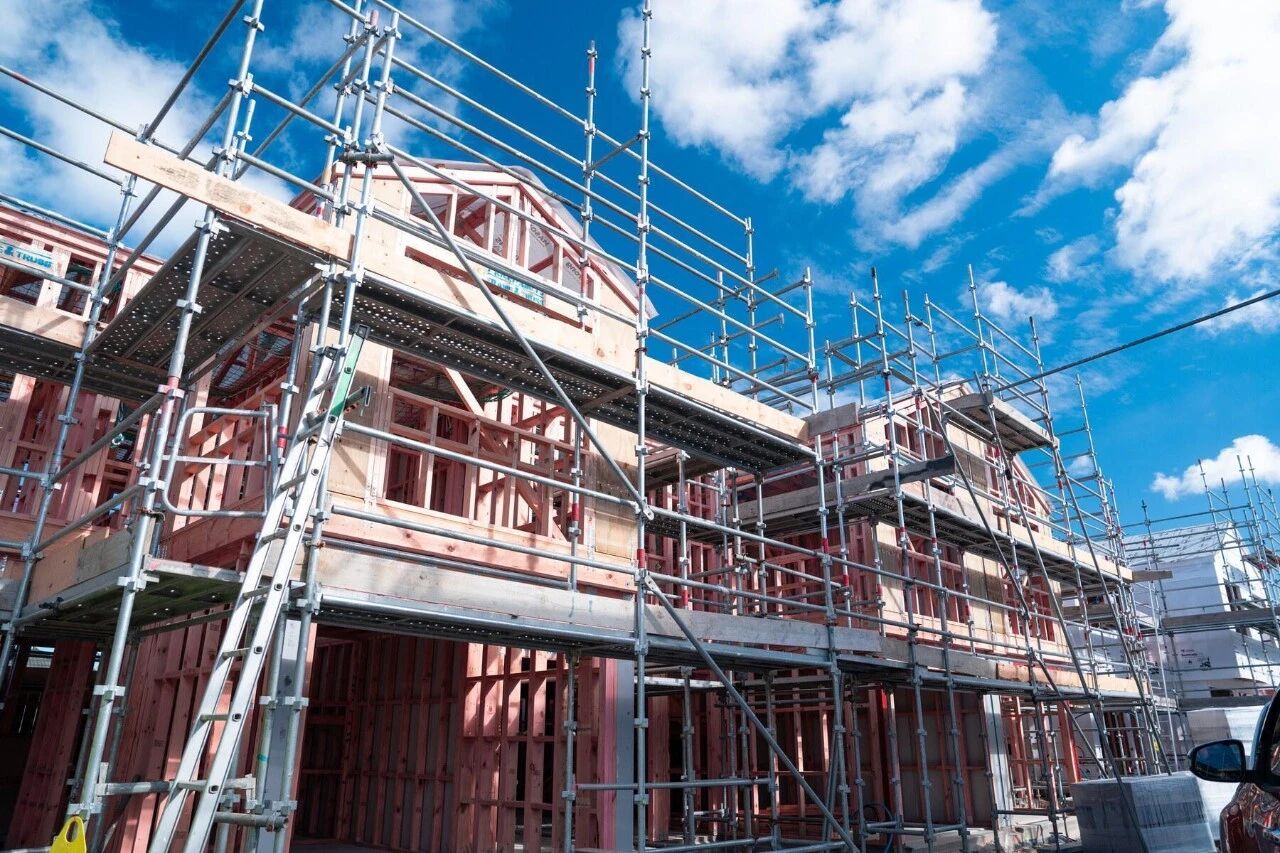
An intertenancy wall, which buyers can easily overlook, affects sound insulation, fire protection, space efficiency and overall construction quality between adjoining homes. A few centimetres of thickness or an additional construction step may seem insignificant in an individual home, but when repeated across a dozen or even dozens of townhouses, the differences multiply. This is why experienced builders pay particular attention to their choice of intertenancy wall system when developing medium- and high-density housing. 11 Rogers Road in Manurewa, Auckland, is a typical example. The project needs to keep construction costs and timelines under control while also aiming to give future residents a quieter home and greater peace of mind.
So how exactly does the wall concealed between adjoining homes affect the experience of living in the whole house? And what does a builder with 20 years of experience really look for when choosing an intertenancy wall system?
19 townhouses: how does the builder balance cost and quality of living?
The 11 Rogers Road project in Manurewa, Auckland, is being built by Youdao Construction Ltd. According to founder Lin Feng Wen, the site originally contained three development homes. It covers approximately 2,150 square metres, with plans for 19 townhouses. The project aims to achieve a better balance between affordability and quality of living through more precise control of costs and construction timelines. This also means materials cannot be selected on price alone: reliable performance, ease of installation on site, and control over costs and timelines are all essential.
Feng is very familiar with these trade-offs. He has accumulated around 20 years of experience in construction and development and founded Youdao Construction in 2016. The team has long focused on what buyers really need and how to keep construction timelines and costs under control. For this project, they ultimately selected GIB Barrierline®.
How does an intertenancy wall affect quietness, safety and indoor space?
GIB Barrierline® is a tested intertenancy wall system that has been appraised by BRANZ. GIB regional sales manager Terry Li says that, depending on the specific system specification, it can achieve a sound transmission rating of STC 61–68. Put simply, the higher the STC rating, the better the wall is at blocking everyday sounds. The system also combines the fire protection, sound insulation and cost-effectiveness required of an intertenancy wall. Its lightweight construction, ease of installation and installation speed are also key reasons customers value it. Terry Li says the system delivers more than fire protection and sound insulation: it also improves on-site efficiency and project certainty. For developers, its value lies in its lightweight construction and clear installation process, which help preserve more usable indoor space. For future residents, this means greater quietness and privacy between adjoining homes, along with an additional layer of verified fire protection and safety.
Terry Li believes the key to Barrierline®’s widespread use in medium-density housing is that it brings fire protection, sound insulation, cost-effectiveness and rapid installation together in a proven solution.
However, a product’s performance advantages only translate into project value when put into practice on site. Feng says Youdao’s workers had already used GIB Barrierline® on multiple projects and were very familiar with its installation requirements and procedures. That familiarity delivers faster installation and reduces the uncertainty associated with working things out on site, rework and coordination between trades.
Even a good system needs correct installation to perform effectively
For intertenancy walls, the final result depends on more than the product selected. It also depends on choosing the right specification, installing it correctly and having timely access to professional support when issues arise. Terry describes GIB’s project support as a systematic service spanning the entire process. During design, GIB works with architects and engineers, advising on structural design, fire ratings, acoustic performance, specification selection and construction details to resolve key issues wherever possible before drawings are completed. Choosing the right specification at the outset provides a stable foundation for subsequent procurement and construction.
During construction, GIB’s technical team can visit the site to support builders and installers, check installation methods and provide prompt technical assistance when issues arise. Terry emphasises that correct installation directly affects the system’s fire protection, acoustic performance and compliance. Every stage matters, from specification selection to on-site installation.
Feng recalls that when technical issues arose on previous projects, GIB promptly arranged for staff to visit the site, discuss the issues and offer professional advice, helping the team make adjustments and keep the project moving. This support has built the builder’s lasting confidence in the system behind the product.
GIB Barrierline® is part of GIB’s range of systems for medium-density housing. Alongside it, the GIB Weatherline® rigid air barrier system, GIB EzyBrace® bracing system and wet-area solutions enable GIB to offer complementary options for fire protection, sound insulation, structural bracing, the building envelope and wet areas. For builders and developers tackling complex projects, this means access to tested system solutions and ongoing technical support, beyond the purchase of an individual product.
From material selection to delivery on site, every step shapes project progress
Even the best system cannot deliver its value if the complete combination of materials does not arrive on site at the right time. For this project, PlaceMakers is the crucial link between GIB’s technical capabilities and the construction site. GIB provides a broad range of product systems and technical expertise, while PlaceMakers uses its nationwide distribution network and customer service to supply the relevant products and accompanying materials to builders consistently and reliably. They also jointly provide product training and technical exchanges to help installers understand and apply system requirements more accurately.
Feng’s experience makes this value particularly tangible. PlaceMakers has been among his preferred suppliers for many years. Competitive pricing, responsive ordering and delivery, and consistently reliable service allow Youdao to schedule workers and construction stages more accurately. Feng particularly stresses that material supply must not slow the pace of work on site.
This is the value the collaboration between the three parties creates for the project: GIB provides confidence in performance through tested systems and ensures correct design and installation through technical services; PlaceMakers turns these advantages into on-site certainty through reliable supply, rapid responses and longstanding relationships; and Youdao Construction applies its established construction expertise to turn the system into safety, quietness and quality that residents can experience for themselves.
Do not overlook these ‘invisible’ details when viewing a home
The lesson for buyers from 11 Rogers Road is not that they must remember the name of a particular technical system. It is that, alongside location, layout, natural light and price, they should learn more about the details hidden behind the walls. For example, what intertenancy wall system is used between adjoining homes? Have its acoustic and fire performance been tested or appraised? Is the construction team familiar with the system’s requirements? Is a professional team available to help if technical issues arise? Although these questions are difficult to answer at a glance in a show home, they affect quietness, privacy and peace of mind after moving in.
A home’s true quality is reflected not only in its visible finishes and layout, but also in these easily overlooked details that will remain part of residents’ lives for many years.