
Golden visa holders can now buy homes! Overseas capital already has its sights on Auckland luxury property
On 6 March, the New Zealand Government formally implemented reforms to the Overseas Investment Act. Under the new rules, wealthy migrants holding an Active Investor Plus (AIP) visa can now buy or build homes in New Zealand worth more than NZ$5,000,000.
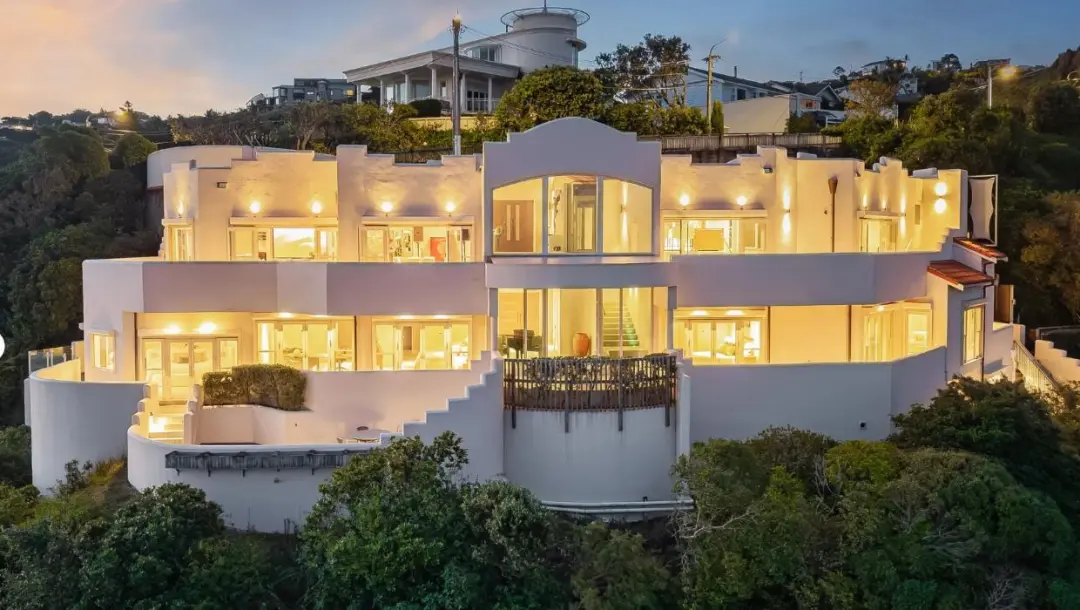
On 6 March, the New Zealand Government formally implemented reforms to the Overseas Investment Act. Under the new rules, wealthy migrants holding an Active Investor Plus (AIP) visa can now buy or build homes in New Zealand worth more than NZ$5,000,000.
Although the policy applies only to the very top end of the property market, its announcement quickly attracted widespread attention across the property sector and political circles. The first buyers began making moves soon after it took effect. With global uncertainty growing and capital seeking a “safe haven”, New Zealand is once again attracting the attention of some wealthy investors.
Overseas buyers are already making moves
The market has already responded to the newly implemented policy.
Media reports say a South Korean investor applied to the Overseas Investment Office this week for approval to buy an Auckland home worth more than NZ$5,000,000. Meanwhile, an American investor is also considering buying a high-end property in Hawke’s Bay.
Real estate agents say overseas enquiries have increased markedly, with some prospective buyers already arranging trips to New Zealand to view properties in person.
Auckland luxury property agent Caleb Paterson says most clients he has dealt with recently are from the United States. Many families have budgets of NZ$5,000,000 to NZ$7,000,000, while some investors are prepared to spend NZ$15,000,000 to NZ$20,000,000 on a property.
“They generally choose between Auckland, the North Shore and Queenstown,” he said. “Some clients have made it very clear that they are coming to New Zealand specifically to buy a home.”
Homes above NZ$5,000,000 are concentrated in Auckland
Data shows there are currently 556 homes on the New Zealand market priced above NZ$5,000,000. Raising the threshold to more than NZ$10,000,000 leaves just 144 listings nationwide.
Regionally, Auckland’s established high-end suburbs, including Herne Bay, Remuera and Takapuna, remain at the heart of the luxury property market.
For overseas buyers, factors beyond the house itself are equally important. Real estate agents commonly report that high-end overseas clients place particular value on views, privacy and convenient transport links.
In Queenstown and Wānaka, investors favour luxury homes with lake views and holiday properties near ski fields and golf courses. In Auckland, homes near the city centre and good schools, along with those offering sea views, hold greater appeal.
Property website data shows that about 450 overseas users searched online for New Zealand homes worth more than NZ$5,000,000 in the first week after the policy took effect.
Opposition parties fear a “ripple effect”
Although the policy applies only to homes worth more than NZ$5,000,000, opposition parties have still voiced concerns.
Labour housing spokesperson Kieran McAnulty says the policy could have a ripple effect even if it targets only high-end properties.
“We remain strongly opposed to overseas investors buying residential property,” he said. “Many New Zealanders still cannot afford a home, yet overseas buyers are now being allowed into the market. That clearly raises concerns.”
Green Party housing spokesperson Tamatha Paul also believes the policy could further accelerate the trend of young people leaving New Zealand.
“One of the main reasons many young people leave New Zealand is that they cannot afford a home,” she said. “Opening the housing market to global capital could add further upward pressure on house prices.”
Government: the impact will be negligible
The Government’s position in response to the opposition is clear.
New Zealand Housing Minister Chris Bishop says the policy targets only the very top end of the property market and will have a “negligible” impact on the wider housing market.
“The NZ$5,000,000 threshold is very high, so it will have no material effect on overall housing demand,” he said.
Bishop stressed that insufficient supply remains the central issue in New Zealand’s housing problems, and that the Government is advancing a range of housing construction and planning reforms.
“As housing supply increases, pressure on the market will naturally ease, so I am not worried about this at all.”
Industry observations
The policy’s design opens up only a very narrow market: luxury homes worth more than NZ$5,000,000. For the vast majority of New Zealand homebuyers, that price alone places these properties in an entirely different market segment. In the short term, therefore, the policy may not directly affect the mainstream housing market.
But the debate is about more than a handful of luxury property transactions. It raises a deeper question: when housing remains the heaviest financial burden for many ordinary households, should New Zealand reopen a door to global capital in its residential property market?
Supporters argue that wealthy investors bring not only money but also business networks, industry resources and potential economic opportunities. Opponents worry that once overseas capital returns to property, even at the high end, it could gradually change market expectations and ultimately affect the entire housing system.
Historically, New Zealand’s property market has been distinctly cyclical. House prices still rose sharply during the pandemic, when there were almost no overseas buyers. This also suggests that the fundamental drivers of house prices remain land supply, the pace of construction and population growth.
It may therefore take time to establish just how much impact this policy will have on the market.
What is clear, however, is that New Zealand’s appeal has never truly disappeared in an era when global capital is continually seeking safe havens. Finding a balance between attracting investment, supporting economic development and protecting housing opportunities for local residents remains a long-term challenge for policymakers.
What do you think of this policy change?
Do you think allowing “golden visa” investors to buy homes worth more than NZ$5,000,000 will bring New Zealand more opportunities, or new concerns?