
Oil prices are just the beginning: New Zealand could face three rate rises as a second round of inflation threatens mortgages
New Zealand’s interest rates have not changed recently. But markets have already begun reacting in anticipation
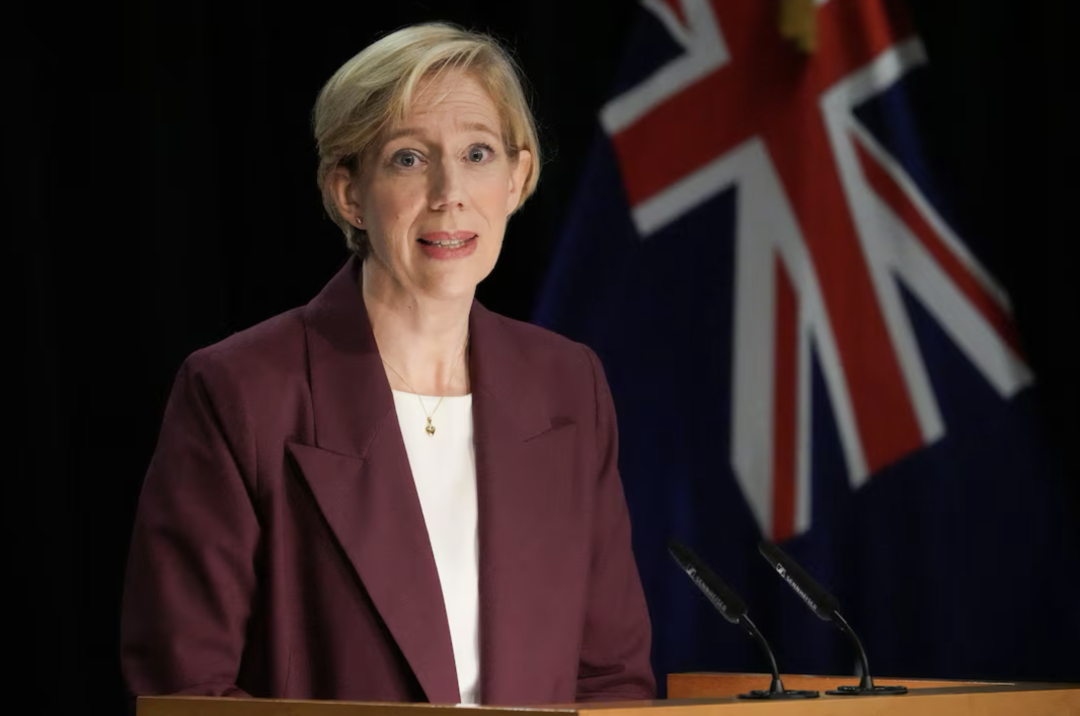
New Zealand’s interest rates have not changed recently. But markets have already begun reacting in anticipation.
Last week, the Reserve Bank of New Zealand (RBNZ) held the Official Cash Rate (OCR) at 2.25%. The decision itself was unsurprising, but the tone of the statement gave markets a clear sense that the outlook was shifting: concern about inflation was growing, and preparations for future rate rises were becoming more explicit.
Almost simultaneously, ANZ quickly revised its assessment. Having previously forecast just one rate rise, it now expects three this year, potentially in July, September and October. That could take the OCR back to 3% by the end of the year.
More importantly, this was not an isolated market forecast, but a direct response to the Reserve Bank’s comments. As ANZ chief economist Sharon Zollner said, the central bank clearly wants to avoid repeating the pandemic-era experience of policy being too loose and the response too slow. In the current environment, the risk of raising rates too late may already outweigh the risk of acting too early.
A chain reaction starting with oil prices
This shift in expectations largely began with oil prices. Uncertainty in the Middle East has pushed up energy prices, with the effects quickly spreading to transport, airfares and food. The Reserve Bank’s latest assessment suggests inflation could rise to 4.2% in the second quarter of this year, well above its target range.
If oil prices were the only thing rising, this would still be an external shock that could be monitored. The question is whether it will stop there.
The three words behind house prices and interest rates
In his latest analysis, Cotality chief economist Kelvin Davidson offered an assessment worth considering carefully: the three most important words currently influencing house prices and interest rates are “second-round inflation”.
The first round consists of cost increases caused by external factors such as oil prices. The second comes when those costs begin spreading through the domestic economy: businesses raise prices, wage negotiations push upwards, and inflation expectations become embedded in decision-making.
Once that stage is reached, inflation is no longer a short-term fluctuation and becomes harder to control.
This is the key to the Reserve Bank’s change in stance.
It can choose to look through the first-round shock temporarily, but second-round inflation often requires earlier action.
Borrowers have already moved ahead
The shift in the market is showing up first in borrowers’ choices.
The latest mortgage figures show that more than half of new lending has been fixed for longer than a year, with the share on two-year terms reaching its highest level in nearly two years. This is no coincidence.
It reflects a shared view among many borrowers that interest rates are unlikely to fall further. Many households are no longer waiting for the Reserve Bank’s decision, instead locking in costs early based on their own assessment.
Property: a market gradually tightened by expectations
This shift is also feeding through to the property market.
There have been no dramatic swings, but the pace has clearly slowed. Buyers are becoming more cautious, and sellers are adjusting their expectations. Although interest rates remain low, expectations of higher financing costs are already influencing decisions.
Meanwhile, living-cost pressures caused by higher oil prices are weakening household purchasing power and making homebuyers more conservative. Expectations about future interest rates are gradually tightening the market.
Finding direction amid uncertainty
It is necessary to recognise that all of this still rests on highly uncertain foundations.
Oil prices depend on geopolitical developments, and short-term volatility remains intense. Reserve Bank Governor Anna Breman has also acknowledged considerable uncertainty around current inflation forecasts, with future data capable of changing the outlook at any time.
Even ANZ remains cautious about its own forecast: three rate rises are not a settled path, simply the most likely scenario in the current environment.
Markets are making judgements with incomplete information.
Observations and reflections
This time, the market shift began with expectations of rate rises, before any actual increase.
Oil prices were simply a trigger, amplifying inflationary pressures that already existed. The risk of second-round inflation has forced the Reserve Bank to consider tightening policy earlier.
When businesses start pricing for the future, borrowers start locking in future costs, and markets gradually accept that costs will keep rising, the change has already happened.
For property, this shift is particularly significant.
In the past, house prices tended to respond passively to interest rate changes. Now, the market is adjusting proactively on the basis of expectations.
When expectations move first, policy often simply confirms them.
What deserves closer attention next is not just whether three rate rises actually occur, but how far and how long this tightening driven by expectations will continue, and how it will ultimately be reflected in house prices, sales volumes and the pace of development.
How do you see this round of changes: a short-term disruption, or the beginning of a longer-term trend?