
Only six months after handover, are these problems already emerging?
A building often looks its “best” on the day it is completed.
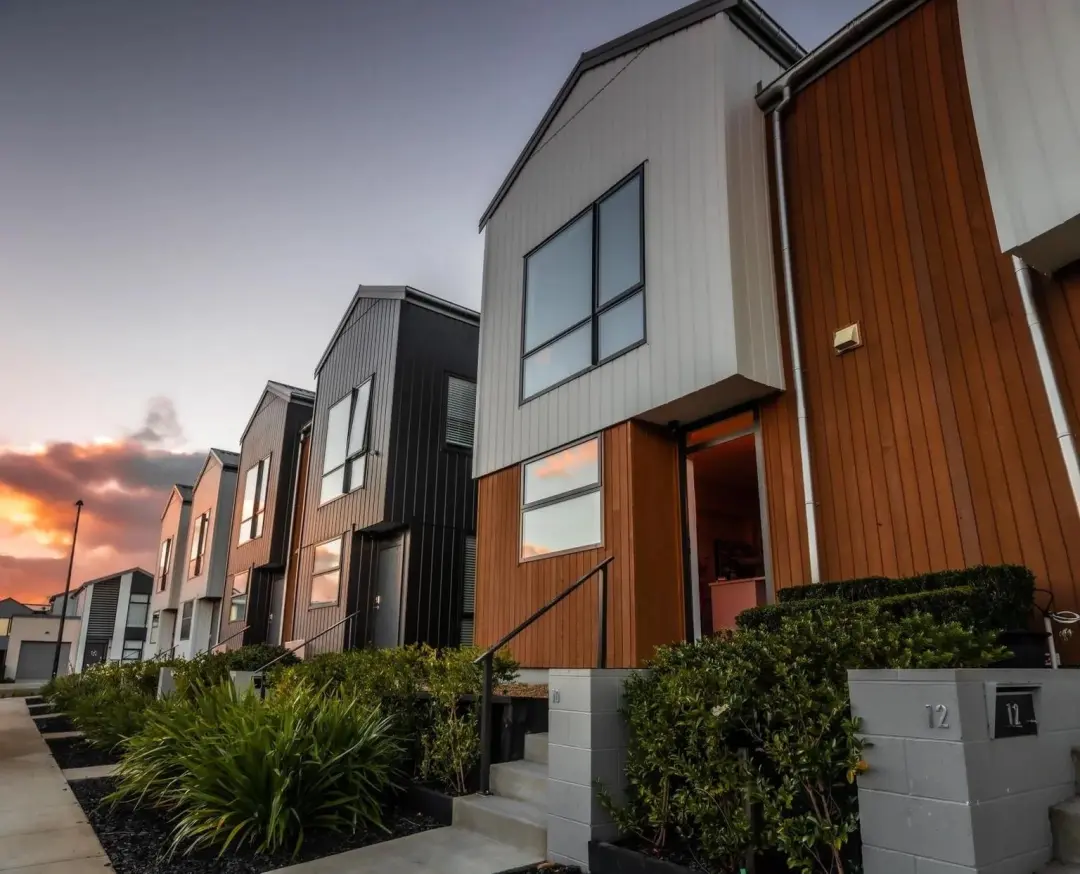
A building often looks its “best” on the day it is completed.
The lobby is bright, the façade is tidy, the show apartment is immaculate, and the renderings in the brochure are certainly appealing. But for developers, property managers and eventual users, the real problems often emerge gradually months or even a year later, rather than on handover day.
The car park is frequently congested at peak times, visitor registration is cumbersome, and access control, surveillance and alarm systems operate independently without working together. Energy use in common areas is higher than expected, and tenants begin complaining about their experience using the systems… Once property managers and tenants have fully moved in, a series of frustrating “hidden defects” can follow.
These problems do not necessarily mean the building itself was poorly constructed. More precisely, it has been “completed” in name, but is not truly ready for the era of smart operations.
Today’s buildings are more than steel and glass
In the past, the construction industry focused more on upfront measures such as construction timeframes, building costs, exterior design and saleable floor area.
However, as labour costs continue to rise, property management becomes more demanding and tenants expect better service, developers and property management companies are increasingly focusing on another question: “Can this building operate efficiently in the years ahead?”
Ongoing management efficiency, energy control, operational safety, smart technology, system scalability and user experience are becoming new points of competition for building projects. A building is no longer simply a combination of steel, concrete, glass and space. It is also an operational system requiring continuous management, responsiveness and long-term maintenance.
Many conventional buildings already have smart devices installed. The problem is that cameras only record footage, access control only opens doors, parking systems only collect fees, and back-end platforms only keep records. These systems often operate independently, without information flowing between them, ultimately making management more difficult.
A truly “smart” building takes the initiative
A truly “smart” building does more than add devices: it enables different systems to work together.
For example, the system can automatically identify unusual activity when an unfamiliar vehicle remains for an extended period. If someone enters a restricted area at night, the back-end platform can promptly send an alert. When the car park is nearly full, the system can help direct traffic. When equipment operates abnormally, the platform can generate early maintenance alerts, helping property managers respond faster.
At the heart of these changes is more than a simple “security upgrade”: it is a change in how buildings operate.
For property management companies, this means less reliance on manual patrols, faster identification of problems and more effective staff allocation. For commercial tenants, it means smoother everyday use, a greater sense of security and more consistent service. For developers, the value of these systems may extend beyond the sales stage to the entire process of long-term ownership, tenancy management and asset operations.
As a result, integrated smart systems have gradually shifted from an “optional extra” to an “essential item” in project budgets in recent years.
Enabling the upgrade to smart spaces
In this upgrade to “smart spaces”, global smart technology leader Dahua is playing a crucial enabling role.
Today, Dahua offers far more than traditional video surveillance products. Across smart communities, mixed-use commercial complexes, smart parking, AI perimeter protection, building intercoms, unified management platforms, EV charging management, commercial displays and digital operations, Dahua is integrating separate devices and systems, connecting every part of a building’s nervous system.
This transformation moves buildings from traditional “reactive management” to data-driven “proactive operations”.
For developers, a truly valuable building is more than impressive on handover day: years later, it remains easy to manage, energy-efficient, reliable and consistent in its user experience.
For property managers, a good system should reduce unnecessary work and make management clearer and more controllable, rather than add to their workload. For users, smart technology should be more than a marketing term: it should be evident in the everyday details of access, parking, visitors, work and life.
The building industry may increasingly resemble the technology industry. A project’s value will be determined by more than location and fit-out: data capabilities, system integration, smart operations, local service and long-term maintenance capabilities will also matter.
The competitiveness of the next generation of buildings may depend on more than their design and hardware at handover. It may depend on whether they remain efficient, stable and smart five or ten years later.