
Construction finance in New Zealand: speed matters, but sound financial management matters just as much
“If we signed a fixed-price contract, why did the project still go over budget?” “The finance was approved, so why did construction still come to a halt?”
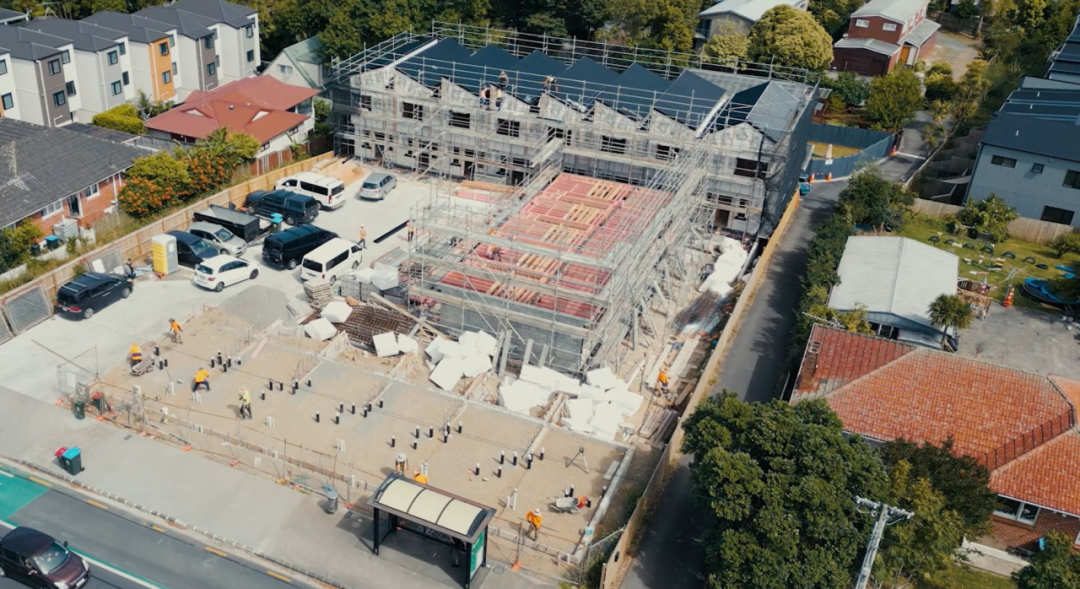
“If we signed a fixed-price contract, why did the project still go over budget?”
“The finance was approved, so why did construction still come to a halt?”
In property development, what ultimately determines a project's success or failure is often not whether finance is approved, but whether the project is built on sound, sensible planning from the outset.
In New Zealand's development market, discussions about construction finance tend to focus on approval speed, efficient drawdowns and how quickly a project can get under way. For experienced developers and lenders, however, while speed matters, it is the overall planning and risk management behind the finance that determine whether a project can be delivered successfully.
A successful development project is usually built on realistic planning, rigorous financial projections, a stress-tested feasibility assessment and an experienced professional team.
This is the central theme of Cressida Capital's latest video, Construction Finance Fundamentals. The video explains what lenders really look for when approving construction finance, and how these factors help developers reduce risk and improve their chances of success.
As Andrew from Cressida Capital says:
“The key to a successful project is having a comprehensive understanding of the entire development from the outset, rather than focusing solely on how quickly finance can be arranged.”
This also reflects current market realities: construction costs remain high, the lending environment is more cautious than it was a few years ago, and lenders are scrutinising project feasibility and delivery capability more closely. The margin for error is shrinking.
In this market, development projects can no longer rely on optimistic assumptions or bare-minimum budgeting. What matters is establishing a foundation that can withstand changing market conditions.
Construction finance involves more than the loan amount
At the heart of every finance application is a rigorous project feasibility assessment.
In practice, however, many developers make the same mistake: preparing their feasibility assessment around the most optimistic market expectations, rather than actual market conditions and prudent assumptions.
Andrew says that when Cressida Capital assesses a project, its first concern is whether the projections reflect commercial reality rather than an ideal vision.
This is particularly important in the current market.
Construction delays, rising material prices, interest rate changes and slower sales can quickly affect a project's performance. A truly reliable feasibility assessment does more than show that a project stacks up on paper today. More importantly, it tests whether the project remains sufficiently resilient throughout the development cycle when faced with construction delays, rising costs and market changes.
In other words, a good feasibility assessment should be stress-tested, rather than a financial model built on ideal assumptions.
Lenders also assess much more than construction costs alone.
Alongside construction costs, the overall finance assessment includes holding costs, financing costs, professional fees, development contributions, infrastructure costs and contingency allowances.
As Naomi says:
“You cannot consider construction costs alone. You have to account for every cost, including soft costs, holding costs and financing costs.”
For developers, this affects not only whether finance can be approved, but also whether the project has enough cash flow and a sufficient buffer against risk during construction.
If a funding shortfall arises during construction, work may be forced to stop, while project sales and loan repayments may also be affected.
Experienced lenders therefore typically devote considerable time to stress-testing projects and continually checking that they have an adequate financial margin of safety.
Lenders assess more than the project itself
Alongside project feasibility, lenders closely assess the developer and the wider project team, because their experience, track record and ability to execute often directly affect successful delivery.
Cressida Capital also recognises, however, that successful projects are not the exclusive preserve of large, experienced developers. Many first-time or growing developers can achieve excellent results when supported by an established professional team, comprehensive project management systems and a sensible project structure.
This team includes not only the developer, but also the builder, architect, engineers, project manager and other professional advisers. Together, they contribute to project planning, cost control, construction management and risk management, playing a crucial role in reducing delivery risk.
As a result, a project initiated by a less experienced developer with an established, collaborative team can often secure finance more readily than one led by an experienced individual without professional team support.
For this reason, Cressida assesses not only the project itself but also the entire project team, working closely with clients before finance is approved. We provide support with feasibility assessments, market insights and due diligence according to the project's circumstances, helping developers refine their plans. Due diligence typically covers zoning, infrastructure provision, site constraints, nearby sales, overall project costs, and easily overlooked soft costs.
The aim is not simply to meet finance approval requirements, but to help developers identify potential risks early and improve the likelihood of successful delivery.
Whether you are undertaking your first development or have extensive experience, contact Cressida Capital to discuss a finance solution suited to your project.
A fixed-price contract does not eliminate risk
Construction contracts are another important part of assessing construction finance.
Many developers believe that signing a fixed-price contract locks in all project costs and reduces financing risk accordingly.
In reality, it is often not that simple.
Although a fixed-price contract can reduce some uncertainty around construction costs, it does not mean that all risks disappear.
For example, some costs that are easily overlooked early in a project may fall outside the construction contract, including landscaping, development contributions, utility connection charges, allowances for cost increases and various soft costs.
If these costs are not adequately accounted for in the feasibility assessment, the overall project may still face a budget shortfall or cash flow pressure, even if the construction contract itself stays within budget.
During the finance assessment, lenders therefore look beyond the type of contract to examine whether its scope is comprehensive, the budget is realistic and the project has a sufficient buffer against risk.
The completeness and transparency of finance application documents are also becoming increasingly important.
In the current market, Cressida Capital places greater emphasis on whether developers can provide clear, transparent plans and a well-defined delivery strategy.
As Naomi says:
“A rigorous, comprehensive feasibility assessment and a sensible project structure are important foundations for success. They help developers plan ahead and enable us to work together to address the uncertainties that may arise during construction. We discuss every detail of the project with our clients and review the feasibility assessment item by item to ensure all critical factors have been considered.”
Completing construction is only part of a project's success
In construction finance, successful completion of a project does not mark the end of the financing process. Lenders also pay close attention to the exit strategy.
Every development needs a clear, executable repayment pathway. Whether repayment will come from sales proceeds after completion, refinancing for a long-term hold, or a staged exit combining sales and retention, it needs to be thoroughly planned before financing begins.
This is particularly important when the market slows or demand is weak. As sales periods lengthen and refinancing conditions change, developers need to look beyond whether a project can be built successfully. They must also plan ahead to ensure it will retain a viable exit strategy and sound funding arrangements if market conditions change.
Naomi notes that comprehensive project planning and financing structures need to address not only construction, but also the arrangements after completion.
For Cressida, construction finance is about more than securing funds quickly. More importantly, it means helping developers establish a sound, sensible financing structure that supports the project from planning and construction through to final delivery, maximising its chances of success.
Set your project on the right track from the outset
The market's focus on speed has become increasingly apparent in recent years. Speed alone, however, does not reduce risk. Moving quickly without adequate planning and thorough preparation often creates more challenges.
Truly successful developments are usually built on rigorous early planning, realistic projections, an experienced professional team and a sound, sensible financing structure.
As Andrew says at the end of the video:
“If you get the project structure right at the outset, progress and delivery become much smoother.”
This also captures the true purpose of construction finance. Market conditions will continue to change, construction costs will fluctuate and lending conditions will adjust with the economic cycle. But what ultimately determines long-term success is not how quickly finance is secured. It is whether the project has a solid, sensible foundation capable of adapting to change from the outset.
For developers, a thoroughly validated feasibility assessment, a proven and reliable professional team, and clear, sound financing and exit strategies can improve both the chances of securing finance and the likelihood of successful delivery.
These fundamentals matter more than ever in today's challenging market.
Professional construction finance offers more than funding
For Cressida Capital, construction finance means more than providing funding. It also means helping developers establish a project foundation that can withstand changing market conditions.
From feasibility assessments and financing structure design to due diligence, application document reviews and exit strategy planning, we work closely with our clients to identify potential risks before finance approval and help refine the overall project plan.
We believe a sound financing solution should help a project not only start successfully, but also finish successfully.
If you are planning a new development or would like to discuss project feasibility, financing structures or construction finance options, contact the Cressida Capital team. We will provide professional financing support tailored to your project's circumstances.