
Why do reported debts always seem astronomical when a building company collapses? Two recent liquidations reveal a little-known truth
NZ$1,100,000 eventually became NZ$250,000; NZ$18,270,000 may not be the final figure either.
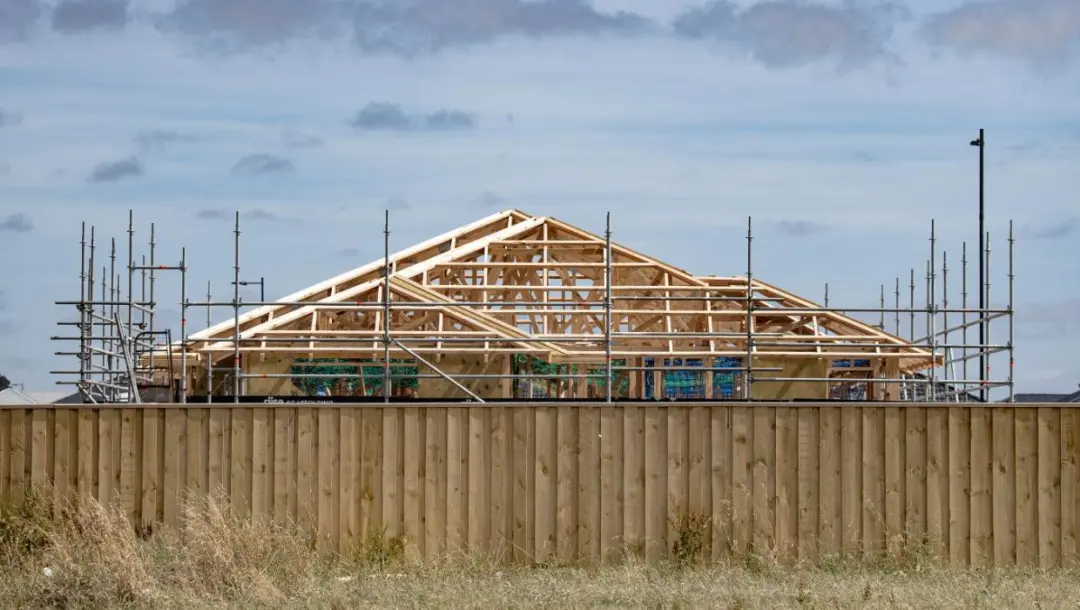
NZ$1,100,000 eventually became NZ$250,000; NZ$18,270,000 may not be the final figure either.
Two building company liquidations in quick succession have prompted many people to reconsider a question: how much of the debt announced when a business enters liquidation is money it actually already owes?
One case was in Christchurch. Honeybone Builders, a company with a history spanning decades, entered voluntary liquidation with initially estimated debts of about NZ$1,100,000. The other was in Auckland, where three residential building companies—Diamond Homes, Diamond Construction and D&L Developments—entered liquidation. The first report showed that more than 160 creditors were seeking a combined total of about NZ$18,270,000, including a claim of nearly NZ$5,720,000 from Inland Revenue (IRD).
Both figures were striking enough to quickly become the focus of news coverage.
But as the liquidations progressed, developments in both cases showed that these figures were not necessarily the final answer.
In the Diamond Homes case, liquidator Daniel Zhang said much of the information in the current report remained preliminary estimates. A substantial proportion of the company's recorded receivables involved long-running disputes, and how much could ultimately be recovered was still to be confirmed. Inventory valuations were largely based on accounting records more than a year old and might not reflect their actual realisable value. Inland Revenue's GST and PAYE claims were also awaiting formal verification, leaving scope for those amounts to change.
In other words, the NZ$18,270,000 currently reported is only a preliminary estimate based on the information available in the early stages of liquidation, rather than a finally confirmed debt total.
Honeybone Builders provides an even more illustrative example.
Of the initially estimated NZ$1,100,000 in debt, more than NZ$850,000 came from a claim lodged by Registered Master Builders. This was not money Honeybone Builders already owed. It was Master Builders' assessment of potential future compensation liabilities under its 10-year building guarantee.
Under the liquidation process, this potential liability first had to be registered as a creditor claim, so it was included in the company's estimated debts.
However, as investigations continued, Master Builders confirmed that no projects had triggered guarantee payouts after the company entered liquidation. It therefore voluntarily revised its claim of more than NZ$850,000 to zero.
Ultimately, Honeybone Builders' estimated shortfall fell from about NZ$1,100,000 to about NZ$252,000.
Viewed together, these cases highlight an easily overlooked detail: the debts announced when a business enters liquidation are not necessarily all confirmed amounts actually owed. Figures in liquidation reports may include tax claims still awaiting verification, disputed receivables, transactions between related companies, and even, as in the Honeybone Builders case, potential future liabilities that ultimately never materialise.
This is why the debt figures the public sees sometimes change as a liquidation progresses. Some rise and others fall, with changes in individual cases sometimes running into hundreds of thousands or millions of dollars.
Of course, this does not mean the media reports are wrong.
The figures quoted by the media all come from the first reports liquidators are legally required to publish. What is easily overlooked is that an initial liquidation report reflects the financial position as understood when the business enters liquidation, rather than the final findings of an investigation. As asset investigations, claim verification, tax reviews and related legal proceedings continue, adjustments to debt figures are a normal part of the liquidation process.
For ordinary readers, when reading news about a business liquidation, it may help to look beyond the total debt and examine how the figures are made up, which amounts have been confirmed and which remain estimates. This may offer a more objective understanding of a company's actual financial position, rather than simply drawing attention to a striking number.
Observations and reflections
The eventual revision of Honeybone Builders' figure from NZ$1,100,000 to about NZ$250,000 does not mean the business had no operating problems. Likewise, even if the NZ$18,270,000 reported for Diamond Homes and the other two companies changes in future, it will not alter the fact that the businesses have entered liquidation.
The recent succession of building company liquidations again reflects the considerable pressure still facing New Zealand's construction industry. A property market correction, high construction costs, tighter financing conditions and continually squeezed project margins have left many building businesses facing persistent operating challenges.
The figures may change, but the market's signals remain the same. For homebuyers, developers, suppliers and investors, rather than focusing solely on how much a company ultimately owes, it may be more useful to consider what these liquidations reveal about the industry's current condition, and when New Zealand's construction sector will truly emerge from this correction.
What do you think of the debt figures announced when businesses enter liquidation? Should media reports explain more about how these figures are made up, including which amounts are preliminary estimates and which have been confirmed?