
Buyer discovers unconsented alterations after six years: who pays the price?
After paying NZ$1,330,000 for a home and living there for six years, an owner preparing to sell discovered that the four bedrooms and two bathrooms advertised at purchase did not match the approvals recorded in council files. This was the problem faced by a homeowner on Auckland’s North Shore. He spent more than ten thousand New Zealand dollars addressing the issues, and his complaint against the original selling agent was dismissed.
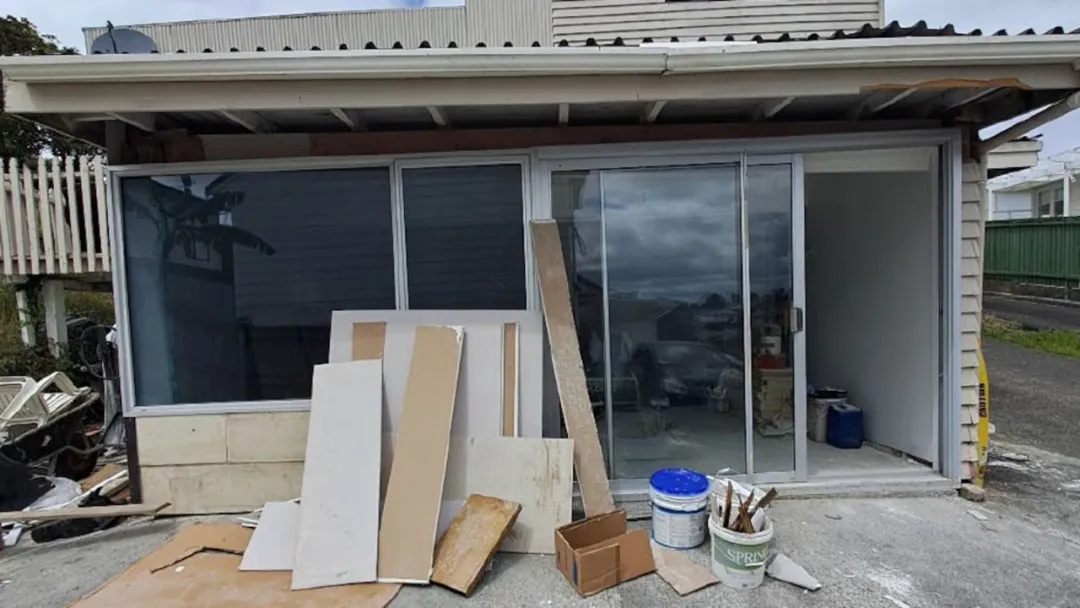
After paying NZ$1,330,000 for a home and living there for six years, an owner preparing to sell discovered that the four bedrooms and two bathrooms advertised at purchase did not match the approvals recorded in council files. This was the problem faced by a homeowner on Auckland’s North Shore. He spent more than ten thousand New Zealand dollars addressing the issues, and his complaint against the original selling agent was dismissed.
Alterations can add usable space to a home, but without the necessary approvals they can leave problems that emerge only years later. When the property is rented out or resold, the cost of resolving them may fall on someone other than the person who carried out the work.
North Shore buyer discovers problems when selling after six years
According to a recent Stuff report, a buyer purchased a home on Auckland’s North Shore in February 2019 for NZ$1,330,000.
The listing described the property as having four bedrooms, two living areas and two bathrooms, including an ensuite. The seller also made the standard declaration in the agency agreement that there was no unconsented work.
It was not until early 2025, when the buyer prepared to sell through another agency, that the new agent obtained the council property file and discovered consent issues affecting some of the spaces.
According to the report, a basement bedroom and living area lacked the relevant consents. The original bathroom had also been divided into a main bathroom and an ensuite without consent.
The report summarised the lawful configuration reflected in council records as “three bedrooms, no bathrooms”. The house did have bathrooms; the issue was the absence of the relevant approval records for the alterations.
The buyer subsequently obtained an independent report assessing whether the work was safe and sanitary, and spent NZ$10,413 addressing the issues so the property could be sold legally. Problems that had gone unnoticed at purchase became something he had to deal with before selling six years later.
After discovering the issues, the buyer complained to the real estate regulator, arguing that the original selling agent should have checked the property file to ensure the listing was accurate.
However, several facts were central to this case.
The land information memorandum, or LIM, obtained by the buyer when purchasing in 2019 did not flag any outstanding or unconsented work. During the subsequent investigation, he also acknowledged that neither he, his lawyer nor the building professionals had identified any obvious problems at the time.
The expert report also noted that the basement blockwork had been built under the original building permit issued in 1983. The architectural designer considered it fairly common for homes of that era to lack records of subsequent alterations, and the downstairs spaces appeared typical of homes from that period.
According to the report, the Real Estate Agents Disciplinary Tribunal found there were no obvious signs in this case that should have led the agent to question the seller’s declaration. The agent did not know the work was unconsented, and describing rooms that physically existed in the house in the listing was not found to be reckless or negligent.
The tribunal therefore dismissed the review application and upheld the earlier decision.
This ruling arose from a specific set of facts and should not be interpreted as meaning agents never bear responsibility for unconsented alterations. For buyers, however, it highlights a practical issue: discovering missing consents after purchase does not mean a complaint against the original agent will necessarily result in compensation.
Landlord fined NZ$18,750 for conversion into a self-contained rental unit
Meanwhile, another recent case has also attracted attention. According to a New Zealand Herald report dated 7 October 2026, Auckland property owner Iqbal Amirali Hudda converted part of a Hillsborough property into a self-contained rental unit without obtaining the required building consent and resource consent.
He admitted the charges, was convicted of breaching the Building Act and the Resource Management Act, and was ultimately fined NZ$18,750.
The report cited Judge Caldwell’s finding that the work had a clear purpose of financial gain and constituted deliberate offending.
Auckland Council investigations manager Paul Cowling said the council supported owners making reasonable use of their properties, but building work intended for rental accommodation must meet regulatory requirements and provide residents with safe, sanitary living conditions that comply with the Building Code.
Owners planning to convert space for rental use need to clarify approval requirements before construction begins. Alongside the work itself, they should check whether the proposed use of the converted space meets the relevant requirements.
Why can problems still arise when the LIM raises no concerns?
One point buyers should note in the North Shore case is that consent issues emerged later despite a LIM having been checked at purchase.
Auckland Council explains that a LIM summarises the information it holds about a property and its surroundings. A property file contains more comprehensive consent documents, original plans and related correspondence. The two differ in their scope and purpose.
A LIM that does not list unconsented work therefore does not mean every room on site has been approved. Alterations the council does not know about may also be absent from its documents.
If a home has a basement, extra bathroom or self-contained living space, buyers can engage suitably qualified professionals to compare the actual layout with the plans and consent records in the property file and investigate any discrepancies.
Natural light, finishes and floor area readily attract attention at viewings. The room uses shown on the plans and records of past alterations also deserve time and scrutiny.
Can missing consents be obtained retrospectively?
“Make the alterations first and sort out the paperwork later” may prove less straightforward in practice.
A building consent and a Code Compliance Certificate, or CCC, issued after completion serve different purposes. A CCC confirms that work completed under a building consent complies with that consent.
For work that required building consent but was carried out without it, an application for a Certificate of Acceptance, or COA, may be necessary under certain conditions. A COA is not automatic approval, however. What the council can certify depends on how much of the work it can inspect and verify. Parts that have been enclosed and cannot be viewed may affect the certificate’s scope.
Official MBIE guidance also states that the relevant work must have been carried out on or after 1 July 1992 for a COA to apply; it cannot be used directly for earlier work. Eligibility to apply for a COA does not remove the original obligation to obtain consent, and the council may still require remedial action or prosecute.
The North Shore home had an original permit dating from 1983, but the report did not specify when the subsequent alterations were made. The appropriate way to address them cannot be determined from the age of the house alone. Missing documentation for an older home needs to be assessed against when the work was carried out, the requirements at the time, existing records and conditions on site. The absence of a CCC does not automatically mean all work on an older home is unlawful; years of use are also no substitute for checking approval records.
YIJU’s view: assess the value of extra space alongside its compliance status
Extra bedrooms, bathrooms and self-contained living spaces can meet a family’s needs, and buyers may also see them as a source of rental income. But assessing their value requires more than considering floor area and potential rent: the relevant documentation must also support the intended use.
In the Hillsborough case, the landlord was penalised for converting a rental unit without the required consents. The North Shore case shows how historical problems can surface years after a property changes hands, leaving a later owner to pay for investigation and resolution.
For buyers in particular, identifying a problem and finding someone who can be held responsible are separate matters. The complaint against the agent in this case was unsuccessful. Whether other avenues of recourse exist requires a separate assessment of the contract and evidence.
YIJU believes that checking approval records early for homes with altered spaces helps buyers and owners assess price, use and potential costs more accurately. Leaving problems until the property is listed often leaves owners with less control over their sale arrangements.
What should you check before building, buying or selling?
Owners planning alterations
Before finalising construction plans, explain the proposed work and future use to the council and relevant professionals, and confirm which consents are needed. Where rental accommodation or self-contained living spaces are involved, clearly explain the intended use as well, and retain plans, approval documents and completion records.
Buyers preparing to purchase
Ask specific questions about extra bedrooms, bathrooms, basements and self-contained living spaces: when were they altered? What approval records are available? Does the actual layout match the plans? Consider the LIM, property file, on-site inspections and legal advice before deciding how to make an offer and enter into a contract.
Owners preparing to sell
Organise alteration records in advance and compare the home’s actual layout with the available documents. If discrepancies emerge, assess the options and time needed to resolve them early, and ensure the listing, contract and disclosures are consistent with the facts that can be confirmed.
Extra space can bring convenience, but it may also leave paperwork for someone to resolve later. Before starting work, signing a contract or listing a property, ask not only “How can this room be used?” but also: where are its approval records?