
Redeveloping Christchurch’s former stadium site: what hurdles remain for the 4.93 hectares?
A ground that once echoed with cheers could become homes, green space and places for community activities. But how much ground remains to be covered between retiring the stadium and bringing new uses to life?
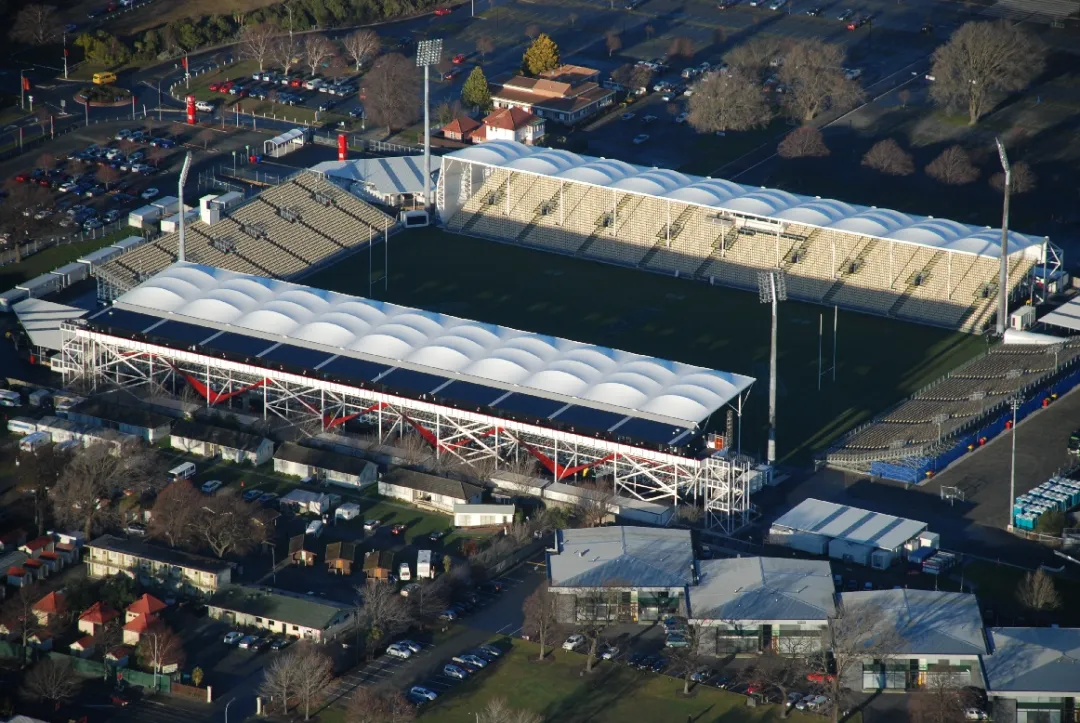
A ground that once echoed with cheers could become homes, green space and places for community activities. But how much ground remains to be covered between retiring the stadium and bringing new uses to life?
The former Apollo Projects Stadium site in Addington, Christchurch, is entering a reassessment of its future uses. On 9 October 2026, the New Zealand Government announced an investigation into whether current planning rules are hindering the land’s redevelopment.
For those following property, construction and urban renewal, this case is worth watching: how does land in an established urban area, close to transport and employment, move from its former facility use into a new phase of development?
The announcement concerns an investigation into planning rules, rather than a rezoning decision, and does not approve any specific development project. Understanding this helps clarify the site’s current stage and the questions that still need to be resolved.
With the stadium’s role complete, new choices emerge for the land
The site at 95 Jack Hinton Drive in Addington covers 4.93 hectares, or approximately 49,300 square metres.
Apollo Projects Stadium played an important role in Christchurch’s post-earthquake recovery. With One New Zealand Stadium at Te Kaha in the central city now operating, deciding what comes next for the former stadium site has become another matter for the city council to address.
The Government investigation follows a request from Christchurch Mayor Phil Mauger for the Government to consider changing the District Plan provisions applying to the site to enable its reuse.
According to information released by the council on 9 October, the site is currently zoned Open Space Metropolitan Facilities in the District Plan. The council says the current zoning restricts its future uses. The mayor previously asked the Government to exercise its powers under section 360I of the Resource Management Act to rezone it Mixed Use (MUZ), allowing greater flexibility in how the land is used.
At the heart of the request is a desire to broaden the options for the land’s future use.
The council says options it hopes to explore could include housing, open space and other uses, and that it will discuss the land’s future use with the community. However, mixed-use zoning is not a completed development blueprint. Even if rezoning is eventually approved, the mix of housing and other activities, how much public space is retained and who undertakes the development would still need to be determined.
Interest from the neighbouring raceway opens up possibilities for integrated development
According to a report in The Press on 9 October, the New Zealand Metropolitan Trotting Club, which owns neighbouring Addington Raceway, has expressed interest in buying or leasing the former stadium site, hoping to include it in broader redevelopment plans for its own surplus land.
The report said its vision was to create a broader community hub, potentially including new homes, hospitality venues, community and green spaces, transport connections and facilities such as a hotel.
This adds another possibility worth watching for the former stadium’s future: it could be repurposed as a standalone site or considered together with neighbouring land.
From a development perspective, coordinated planning of neighbouring sites could allow roads, pedestrian connections, public spaces and the relationships between different uses to be planned more comprehensively. However, integrated development also brings more matters to coordinate, including land transactions, arrangements between participants, cost sharing and construction sequencing.
For now, the interest in buying or leasing remains an expression of intent, and the uses outlined above are a potential participant’s ideas. The available information does not show that any land transaction has been concluded, nor can these ideas be treated as a council-approved development proposal.
For nearby residents, the eventual development approach could affect the neighbourhood environment, traffic arrangements and public space provision. The specific effects would still need to be assessed against an actual proposal.
The first hurdle: how should current planning rules change?
The Government investigation first addresses whether the planning rules are suited to the land’s future development needs.
The existing zoning reflects the facility function the site previously served. With the stadium retired, the council is seeking rezoning to provide greater flexibility for housing and other uses.
The Government says the investigation will examine the request and statutory requirements. Officials will engage with the council and potentially affected people before providing advice to the Government.
Three distinct stages need to be recognised here:
A planning investigation examines whether current provisions need to change and whether the conditions for taking the relevant action are met.
Rezoning or rule changes adjust the planning framework applying to the land, providing a different set of rules for future uses.
Implementing a specific project requires confirmation of the applicable rules, necessary consents and other construction requirements based on the final proposal.
These stages are connected, but none can substitute for another. Even if planning rules change, that does not establish that a specific project has been approved or is about to enter construction.
The Press also quoted the minister’s office as explaining that fast-track applications must relate to a specific infrastructure or development project and cannot be used solely to amend a District Plan. This also explains why seeking a change in land use and putting forward a development project capable of being considered for approval require separate procedural treatment.
For landowners and development companies, this distinction has practical significance: rezoning may broaden development options, but those options still need to be turned into proposals that can be designed, financed and delivered.
The second hurdle: can existing urban infrastructure support new uses?
The former stadium’s location in an established urban area is a major reason for the interest in its reuse. However, the fact that it once hosted major sporting events does not establish that existing infrastructure can meet all the needs of future housing or mixed-use development.
The following are assessment questions arising from potential changes in use, rather than an officially published list of issues with the site.
Different uses place different demands on infrastructure.
Sporting events bring concentrated crowds at particular times, while housing creates ongoing demand for water, wastewater disposal and everyday travel. Adding hospitality venues, a hotel or other commercial facilities would further change the pattern of demand.
Questions that subsequent proposals will therefore need to answer include:
-
Can water supply, wastewater and stormwater systems support the proposed scale of development?
-
How should vehicle access and walking and cycling connections be arranged?
-
How will new development connect with surrounding roads and the existing community?
-
If infrastructure upgrades are needed, who will pay for them, and when will they be completed?
Currently available public information is insufficient to determine whether the site has infrastructure capacity constraints. Whether relevant assessments are released, and how their findings affect the scale, cost and sequencing of development, are the matters worth continuing to watch.
For development companies, a specific assessment is needed to establish the connection between infrastructure being nearby and that infrastructure being able to accommodate additional demand. The investment required could also affect what the project can ultimately deliver.
The third hurdle: what does the community need, and how will the proposal reflect it?
The land’s future involves more than development uses; it also raises the question of how public land should respond to city and community needs.
In the council announcement, Mayor Phil Mauger said the community would be engaged in discussions about the uses it wanted to see, while expressing his hope that planning rules would provide sufficient flexibility for this important site.
According to The Press, public consultation was planned at the time for the first quarter of 2027. The council also said it would discuss the land’s future uses with the community. The specific scope, format and timing of consultation remain subject to subsequent announcements.
For nearby residents, the questions worth discussing are very specific: will there be more usable green space? How will new roads connect? How will buildings sit alongside existing homes? How will space for public activities be provided? How can disruption during construction be reduced?
These questions could also affect the design of the development proposal and the conditions for its implementation. Identifying different users’ needs earlier makes it easier to assess which arrangements are feasible and which still need adjustment.
The land’s future use could change the community’s mix of facilities and its everyday living environment. The value of consultation therefore lies in bringing these specific needs into discussions about the proposal.
The fourth hurdle: after the stadium’s retirement,
how will development costs and funding be addressed?
Alongside planning for the land’s future, work to decommission the former stadium is progressing.
Reporting on 15 October indicated that the council had begun seeking expressions of interest in buying facilities from the former stadium, including grandstand seating and temporary buildings. Sale proceeds will help offset the stadium’s decommissioning costs.
This means practical work on the site’s transition is already under way. However, removing and disposing of facilities cannot be taken to mean that construction of new housing or other development projects has begun.
Moving from a retired stadium to a deliverable development project still requires progressively clarifying how the land will be disposed of, who will undertake the development, how much investment site preparation will require, how infrastructure will be provided and whether the future uses can support the overall costs.
If housing, commercial facilities and public spaces are developed together, consideration will also be needed of how each component is staged and which investments must be completed first.
For participating businesses, development sequencing is equally important. When upfront expenditure occurs, when supporting infrastructure is delivered and when housing or commercial projects can be occupied or used will all affect funding arrangements and implementation decisions.
Together, these factors determine whether possibilities at the planning stage can ultimately become buildings and spaces that can be delivered.
What does this mean for buyers and the construction industry?
For homebuyers, the former stadium site represents a potential source of additional housing. However, there is not yet enough information to confirm whether homes will ultimately be built, how many there will be, when they will reach the market or what they will cost.
A planning investigation alone is therefore not a sound basis for concluding that a large number of new homes will soon be added locally, or for predicting any particular change in nearby house prices.
For developers, construction companies and related suppliers, the more direct value of this case lies in observing how existing urban land is repurposed: once the former use ends, how planning is adjusted, land is assembled, supporting infrastructure is arranged and a deliverable project takes shape.
For nearby residents, subsequent consultation and the release of proposals will be important milestones. If land use changes, the effects could extend to the neighbourhood environment, traffic and public spaces.
The next developments worth tracking are the Government investigation’s findings, the specific content of any rule changes, arrangements for community participation and whether clearer proposals emerge for land disposal and development.
YIJU’s perspective | A site’s future depends on how the city enables it to contribute value again
The former stadium’s story was once part of post-earthquake rebuilding. Its next chapter concerns how Christchurch uses its existing urban spaces to meet new housing and community needs.
The value of these 4.93 hectares cannot be measured solely by how many homes could eventually be built. Equally worth considering are whether housing can connect well with transport, green space and public life, whether development costs allow the project to proceed, and whether the community can gain lasting benefits from the land’s transformation.
Planning changes can open up new possibilities; investment in supporting infrastructure, community participation and feasible development arrangements are what gradually bring them to life. For developers, construction companies and homebuyers, this case offers a shared opportunity to examine the conditions needed for a site to move from being allowed to change to being worth developing.
YIJU will continue to follow the next steps for this land. Whether it becomes a successful example of urban renewal will ultimately be answered by the quality of the homes, public spaces and community life it delivers.