
The promised school zone is gone, leaving over a hundred Chinese buyers distraught! Watch out for these three pitfalls!
Buying an apartment? You need to understand the risks.
Albany Primary School, a decile 10 school on the North Shore, proposed new school zone boundaries in May, due to take effect on 18 December 2019.
Homes in some areas have been excluded from the zone.
School zone changes can affect children's schooling and may also reduce the value of their homes.
Albany Primary School's zone before the changes
Notably, Albany Primary School's proposed zone changes exclude Albany's central commercial area and the area south of State Highway 18.
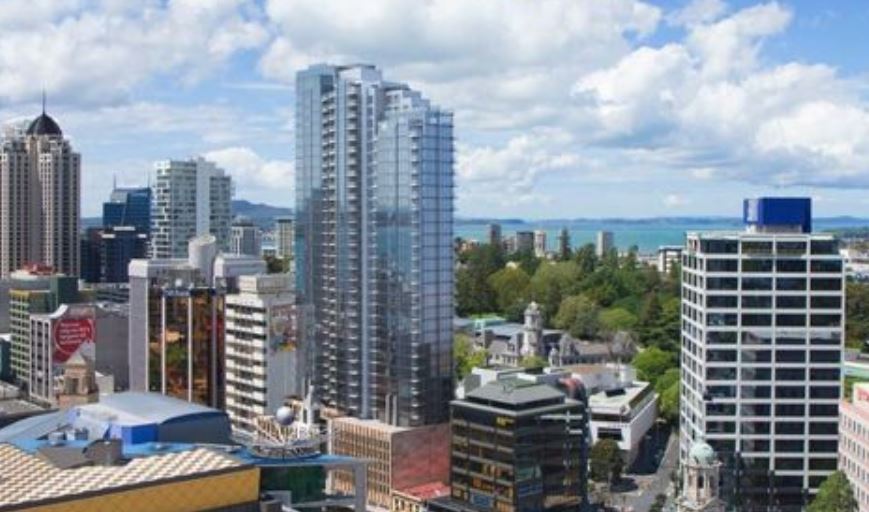
Several large apartment developments surround Albany's central commercial area, some under construction and others only recently completed.
They have attracted many Chinese buyers, both from New Zealand and overseas!
Westfield Albany shopping centre
As Auckland's population grows, high-density housing will become increasingly common.
Yet while population density has increased, the number of schools has remained unchanged.
{Ad}
Classes used to have a dozen or twenty-odd students. When apartments go up and population density surges, class sizes could double.
Teachers become overwhelmed, and teaching quality declines. Ultimately, students themselves suffer.
Albany Primary School's zone changes also highlight several risks to watch for when buying an apartment.
First, school zone changes
For Chinese home buyers, being in the right school zone is essential. Many apartments are also marketed off the plans using school zones as a selling point.
However, as apartments are completed, population density within a school zone can soar in just a few years, placing an unbearable burden on most schools. When they can no longer cope, redrawing the zone becomes the only option.
Schools including Auckland Grammar and Mt Albert Grammar have also redrawn their zones, excluding many newly built apartment blocks.
Second, projects fall through and buildings never go up
Apartments require more funding and technical expertise than single-storey standalone homes. Auckland already has a shortage of building workers, and even fewer have the skills to build high-rise apartments.
Sometimes, delays in issuing building consents or getting workers on site push back the start of construction. If building material prices happen to rise in the meantime, the project would make a loss at its presale prices. Some developers then ask buyers to pay more, while others simply refund their money and abandon the project.
A friend of mine bought an apartment off the plans in a Browns Bay development in 2015. The two-bedroom apartment cost more than $700,000, which could also have bought a unit of a similar size. They chose to buy off the plans because of the apartment's location.
But 8 months later, the project was cancelled before construction had even begun. Although their deposit was refunded, more than half a year had passed and house prices had climbed further.
Third, lengthy construction periods and a housing market that turns from boom to downturn
Apartment buyers include both owner-occupiers and investors. It can take 2–3 years from off-the-plans sales to completion. New Zealand holds a general election every 3 years, so the political risks cannot be ignored.
Among the developments excluded from Albany Primary School's zone are some completed as recently as 2018. When buyers purchased off the plans in 2015, house prices were still climbing steadily. But after Labour came to power in 2017, Auckland's property market cooled, leaving all those investors who had planned to sell on completion for a quick profit stuck with their investments.
Looking ahead, Auckland's population will continue to grow, and high-density housing will inevitably become widespread. Buyers must understand the potential risks of purchasing an apartment!