
New Zealand’s housing super-agency formally enters the parliamentary process
To address New Zealand’s housing crisis, the Government said last year that it would establish a new Urban Development Authority.
To address New Zealand’s housing crisis, the Government said last year that it would establish a new Urban Development Authority (UDA).
The new agency will bring together three major government housing organisations: KiwiBuild, Housing New Zealand and its subsidiary HLC.
The new agency has now been given a name: Kāinga Ora – Homes and Communities. The relevant bill was introduced to Parliament on 29 May and has passed its first reading. Its current status is shown below:
The legislative process will proceed in two stages. The first will merge Housing New Zealand, HLC and KiwiBuild. The second, later this year, will formally grant the agency development powers.
The first stage is currently progressing through Parliament and is expected to pass all 3 readings this year. If all goes smoothly, the new agency is expected to begin operating on 1 October.
What changes will this housing super-agency bring to New Zealand’s property market? YIJU asked experienced urban development specialist and Rockhopper chairman Kester Ko for his analysis.
{Ad}
Housing New Zealand, HLC and KiwiBuild currently operate under different rules and have different priorities. This structure inevitably duplicates functions and roles, encourages a narrow focus in decision-making and places significant constraints on cooperation between the agencies.
Kester Ko said combining the main roles and functions was intended to improve efficiency and reduce the tendency for each agency to operate independently.
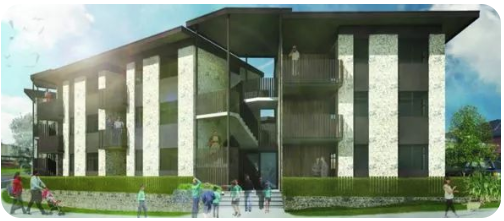
One of Housing New Zealand’s better-known urban regeneration projects, at 139 Greys Ave in central Auckland
Following the merger, Homes and Communities will need to balance and coordinate multiple responsibilities. As the country’s largest landlord, it will manage all state housing and its tenants, while also working with local government, Māori iwi, other government agencies and private developers to lead property developments of varying sizes.
It is easy to imagine how difficult it will be to meet the many needs and expectations involved, including those of state housing tenants, local communities and landowners, alongside expectations of economic returns.
Existing housebuilding programmes, including the Auckland Housing Programme, HLC’s development and construction partnership group and the state housing construction partnership group, will have their functions further improved and expanded.
Contracts already held by the three agencies are expected to continue under the new structure. However, long-term contracts may be reassessed and amended.
Once the first stage is complete, the Government will seek Parliament’s approval to give the housing super-agency greater and broader powers. These may include planning and approval powers, somewhat similar to councils’ current powers relating to resource consent legislation and infrastructure funding, as well as selectively undertaking work on certain developments within specified areas and at specified stages on behalf of other government agencies.
For private businesses, the establishment of the housing super-agency will mean more opportunities for major developers, contractors and suppliers to work with the Government.
KiwiBuild homes in the Bay of Plenty