
Westpac: New Zealand house price growth to rise from 2% to 7% next year. Watch the end of this month!
Lower mortgage rates will certainly lead to higher house price inflation, a pattern seen repeatedly over recent decades.
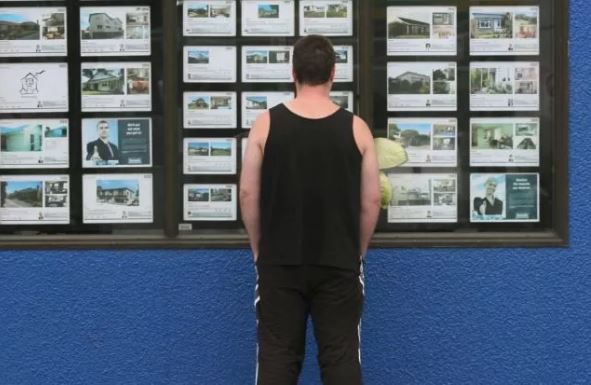
By the end of this month, international macroeconomic developments should offer clues about whether New Zealand house prices will rise or fall.
Westpac, meanwhile, predicts prices will rise again next year!
Westpac chief economist Dominick Stephens says New Zealand's sluggish housing market will take off again next year, following the Government's decision to abandon capital gains tax and a sharp fall in mortgage rates.
Dominick Stephens
Stephens expects national house price growth to rise from its current 2% to 7% next year.
'The abandonment of capital gains tax and the sharp fall in mortgage rates will change the rules of the game. Lower mortgage rates will certainly lead to higher house price inflation, as we have seen repeatedly over recent decades.'
Westpac had previously forecast falling house prices, but Stephens said that forecast assumed the New Zealand Government would introduce some form of capital gains tax in 2020.
Abandoning capital gains tax is a tragedy
Dominick Stephens said the Government's decision to abandon capital gains tax was 'a tragedy for the efficiency and fairness of New Zealand's economy'.
'The absence of capital gains tax will continue to encourage property investment, with house prices rising faster than other prices. New Zealand's home ownership rate will continue to fall.'
Mortgage rate movements signal the housing market's direction
Stephens noted that the foreign buyer ban and the removal of negative gearing for investment properties were restraining house price growth, but Reserve Bank of New Zealand interest rate cuts would be a major driver of an upturn.
'Over the years, we have found that mortgage rate movements indicate the housing market's direction over the next 1–2 years. At current two-year fixed mortgage rates, buyers can pay 10% more for a home without paying any more in mortgage interest than before.
{Ad}
For landlords, being able to lock in a lower fixed interest rate means they can invest in another property.'
Stephens said: 'New Zealand savers dissatisfied with low term deposit rates may also turn their attention to property.'
However, Westpac predicts that even if house prices rise again next year, the upswing will not last long. Home building will remain at very high levels for some time, while net migration will fall.
International factors affecting New Zealand house prices
In an earlier interview with YIJU, Frank Chen, a director of New Zealand property developer Ansheng Property Group (APG), said New Zealand house prices would inevitably rise if 'grey rhino' risks did not escalate and the world's major economies adopted quantitative easing.
Frank Chen
'The world's major economies may adopt quantitative easing in the second half of 2020 or the first half of 2021. If that happens, house prices and asset prices will certainly rise.'
On 4 June, the Reserve Bank of Australia cut its cash rate (OCR) by 25 basis points to 1.25%.
On the same day, US Federal Reserve Chair Jerome Powell said yesterday that the Fed could cut interest rates if needed to support the economy and respond to the US–China trade dispute. In just a month, market expectations of a Fed rate cut in December rose from less than 50% to as high as 98%, while the probability of a cut in July also exceeded 50%.
The G20 summit will be held in Osaka, Japan, at the end of this month. Will there be good news from the world's largest economies? Will the Federal Reserve cut interest rates in July?
We will have the answers soon!