
Flipping your own home to avoid tax? From next year, New Zealand home buyers and sellers must provide tax numbers too!
Owner-occupiers who buy and sell property twice or more within two years will be taxed!
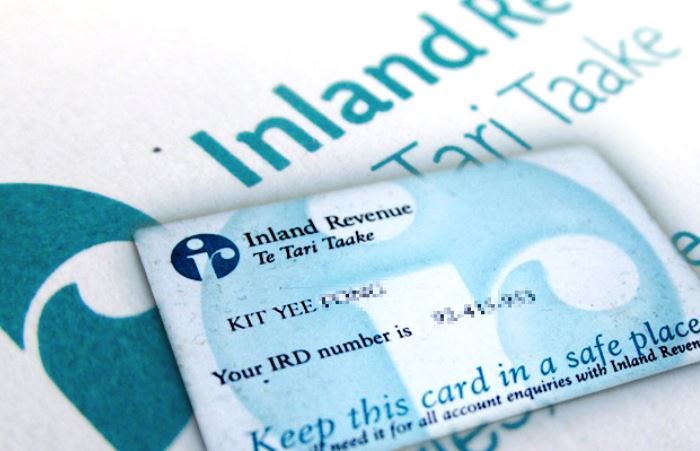
New Zealand’s bright-line tax rules require capital gains tax to be paid on investment properties resold after being held for less than 5 years. Properties that owners live in themselves can be exempt.
Homeowners do not currently need to provide an IRD number when selling their own home either!
To avoid paying tax, some property speculators have therefore decided to hold their investments long term while frequently buying and selling their own homes.
But to stop speculators evading tax, buyers and sellers of owner-occupied homes in New Zealand will also have to provide tax numbers from 1 January next year!
Revenue Minister Stuart Nash recently announced that, following the Tax Working Group’s recommendations, everyone buying or selling property must provide a tax number at the time of the transaction from next year.
This means people who buy older homes, live in them, renovate them and sell them for a profit will no longer be able to avoid tax!
Revenue Minister Stuart Nash
Stuart Nash said that currently, 1/3 of land transfers in New Zealand have no tax number recorded for the buyer or seller. This is because the Government previously said people buying their main family home did not need to provide a tax number.
Under current law, capital gains tax applies to property transactions in two situations:
{Ad}
1. A property is bought with the intention of making a profit and then resold. Tax applies whether or not it is the owner’s own home.
2. An investment property is bought and resold after being held for less than 5 years, under the bright-line rules.
Owner-occupiers who buy and sell property twice or more within two years will usually be regarded as gaming the bright-line rules.
Stuart Nash said the new rules taking effect next year would give Inland Revenue a clearer picture of whether the bright-line tax rules were being manipulated. If owner-occupiers were found to be frequently buying and selling their properties over a short period, this would indicate that they were speculating and making quick money by flipping properties.
Nash said: “When the previous government introduced the bright-line test in 2015, it made clear that owner-occupiers who frequently buy and sell homes must also comply with the bright-line tax rules in certain circumstances.”
“If homeowners frequently buy and sell their properties over short periods, that indicates they are engaging in property speculation and flipping properties to generate income.”
Stuart Nash also said requiring tax numbers for all land transfers was only a small change, but it made the rules fairer and easier to understand. “It removes uncertainty about what information people need to provide when buying and selling property.”
The new rules will take effect on 1 January 2020. A small number of land transfers will still not require tax numbers, including transfers under the Treaty of Waitangi or by local authorities.
Property serves both as a home and as an investment.
Under National, property became an investment for many people, which was one reason house prices remained high.
Labour came to power on the issue of house prices and will do everything it can to restore property’s role as housing.
Yesterday, the Reserve Bank of New Zealand signalled further interest rate cuts. ANZ, ASB and Westpac all predict the Bank will cut rates for a second time this year in August!
Where will house prices go from here?