
New Zealand resident visa approvals hit a 20-year low, yet the housing shortfall has reached 130,000 homes! Why?
With housing supply unable to keep pace with population growth, New Zealand's house price problem remains unresolved.
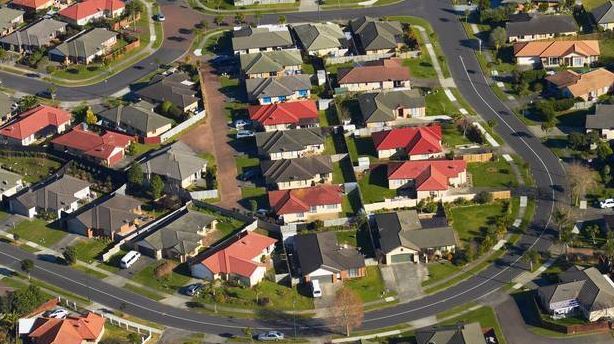
The latest figures show that the number of resident visas issued in New Zealand has hit a 20-year low.
However, rising immigration has pushed New Zealand's housing shortfall to 130,000 homes, an increase of 30,000.
New Zealand resident visa approvals hit a 20-year low
Before the 2017 general election, Labour promised to reduce annual immigration by 20,000–30,000, while New Zealand First said it would cut immigrant numbers directly from 70,000 to 10,000.
Experts point out that New Zealand's net migration is actually holding steady. Visa processing, however, has slowed considerably. This matches many people's personal experiences: even visitor visas are taking a long time to approve.
Around 26,000 resident visa applications are now awaiting processing, 10,000 more than at the same time last year. Partnership visas also face lengthy delays, forcing many families to live apart.
According to an industry insider who declined to be named, a major reason for Immigration New Zealand's slower visa processing is its restructuring, which saw many experienced staff laid off and new staff unfamiliar with the work.
The housing shortfall has reached 130,000 homes
Kiwibank economists Jarrod Kerr and Jeremy Couchman say New Zealand now has a shortfall of 130,000 homes, 30,000 more than at the same time last year. Population growth has once again outpaced housing supply.
{Ad}
The economists say approvals for new housing have reached their highest level in decades, but are still insufficient to meet demand. “If this continues, the shortfall will rise to 150,000 homes by this time next year.”
Kiwibank's economists calculate the housing shortfall using changes in demand (population) and housing supply. “We counted completed homes and used Statistics New Zealand's estimate of the total housing stock.”
Immigration drives a population surge
Although Immigration New Zealand is issuing fewer resident visas, New Zealand's population continues to grow steadily, with growth remaining high.
Kiwibank's economists say that although growth has slowed this year compared with the peak of 70,000 people in 2017, the earlier population surge and continued growth are still affecting New Zealand. Home building still cannot keep pace with demand.
Statistics New Zealand says that in the 1-year period ending in May 2019, Auckland consented 13881 new homes, up 13% year on year. Nationwide, 34672 new homes were consented, an increase of 6.3% year on year.
With housing supply unable to keep pace with population growth, New Zealand's house price problem remains unresolved.