
What are the hidden ‘enemies’ facing New Zealand’s commercial building owners?
Many people imagine that investing in commercial buildings in New Zealand means an idyllic life ‘facing the sea, with spring flowers in bloom’, earning money without lifting a finger;
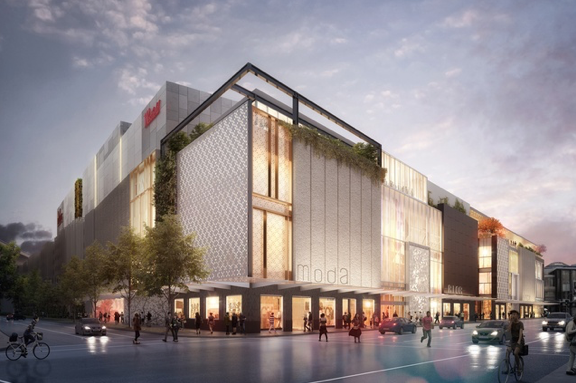
Many people imagine that investing in commercial buildings in New Zealand means an idyllic life ‘facing the sea, with spring flowers in bloom’, earning money without lifting a finger. Commercial buildings have long been popular in New Zealand’s thriving property market.
New Zealand certainly has a world-class environment and has topped the global business environment rankings for three consecutive years, being named the best country for doing business. But what safety risks do commercial buildings present? What hidden ‘enemies’ do New Zealand’s commercial building owners face?
May this year was a difficult month for the owner of a commercial building in Pukekohe. A fierce fire severely damaged the building, destroying years of hard work in an instant. Tragically, someone also died in the blaze, leaving the owner deeply distressed as winter began.
Earlier this year, similar misfortune befell a commercial building owner at St Roofing. A fire destroyed the building, leaving only a structural shell at risk of collapsing at any moment.
New Zealand’s distinctive geography and climate mean that the vast majority of houses have timber frames, making the choice of suitable fire-resistant materials particularly important during construction. Yet potential fire hazards are not the only ‘enemy’ New Zealand property owners must face.
The second major hidden enemy facing New Zealand’s commercial building owners is the country’s damp climate. As an island nation surrounded by sea, New Zealand has a distinctly temperate maritime climate, characterised in part by abundant rainfall. As winter arrives, the weather is becoming increasingly cold and damp, with thick fog on successive mornings over the past week.
Behind New Zealand’s pleasant climate lies a threat that should not be underestimated: the damage moisture can cause to buildings. Prolonged exposure to damp conditions can affect and distort a building’s underlying layers, causing irreversible damage. It can also seriously harm those who live and work inside;
Persistent dampness causes mould, which can trigger illnesses such as rheumatic disease and even cancer. Overlooking the choice of moisture-resistant materials when building and fitting out a new home leaves it exposed to New Zealand’s cold, damp weather, causing a series of otherwise avoidable consequences.
New Zealand has now entered the cold winter months, with average temperatures of around 8 to 10 degrees Celsius. Property owners are switching on their heaters, but a warm building often comes at the cost of high electricity bills.
Early this month, to improve housing standards, the New Zealand Government required landlords to ensure their rental homes have insulation that meets the required standard. Those without it face fines, forcing many owners to renovate their properties.
Cold winters are the third major hidden enemy facing New Zealand’s commercial building owners. Alongside heating equipment such as electric heaters, choosing quality insulation materials during construction can save owners considerable trouble in the future.
So, when building or renovating, how can owners choose materials that combine fire resistance, moisture resistance and insulation to ward off these three hidden ‘enemies’? Ever Construction director Bobby Li shared his secret with us.
{Ad}
Westfield Newmarket has long been a favourite shopping destination for Aucklanders. In February last year, Australian retail giant Scentre Group announced it would spend NZ$790,000,000 expanding the shopping centre. The upgrade aims to create Auckland’s premier shopping centre, accommodating hundreds of retailers, including Australian high-end department store David Jones, and expanding its footprint from 30,000 square metres to 80,000 square metres.
Ever Construction is responsible for building the walls on level 3 and above level 3 at Westfield Newmarket’s 309 Broadway site, the carpentry on levels 4 and 5, and the exterior walls. It is also responsible for the walls on level 3 at 277 Broadway and all construction work at 227 Broadway.
Westfield Newmarket shopping centre
Founded in 2016, Ever Construction puts customer service at the centre of its work. It maintains strict oversight of everything from material selection to building design, assessment and construction, and has extensive experience in commercial construction.
Ever Construction
For this redevelopment, billed as a ‘world-class shopping centre’, Ever Construction chose several James Hardie products, including Villa board, RAB Board and Titan Board, along with their respective metal fixings and fittings.
For the exterior walls of restaurants above level 4 at 309 Broadway, Ever Construction chose James Hardie RAB Board.
RAB Board by James Hardie
Against fire hazards, the first hidden ‘enemy’ facing New Zealand’s commercial building owners, James Hardie RAB Board provides a building’s first line of defence. Its fire-resistant properties help protect your building;
It also meets the requirements of NZBC clause E2 and can serve as a bracing element to meet structural requirements, undoubtedly addressing the second hidden ‘enemy’ facing owners.
Compared with traditional building paper, James Hardie RAB Board offers better sound insulation. Its superior water resistance also protects it from rain during storage before installation. It can withstand exposure to extreme weather for up to 180 days, offers better resistance to wind pressure, and allows an exposure period three times as long as comparable products.
Once installed, James Hardie RAB Board can provide a dry indoor environment, readily resolving potential problems caused by damp weather and saving owners considerable trouble.
With a sound building and a dry interior in place, winter cold has difficulty penetrating indoors. Combined with suitable heating, owners’ third major hidden ‘enemy’—low temperatures—can also be eliminated.
RAB Board by James Hardie
New Zealand’s commercial building owners need not panic when facing the three major threats of fire hazards, damp weather and low winter temperatures. Choose James Hardie RAB Board to help protect your building, and use James Hardie products when renovating or building a new home for peace of mind.