
Are serviced apartments worth investing in?
As a country of immigrants, New Zealand has long attracted Chinese investors interested in property. At the end of last year, New Zealand introduced restrictions on overseas buyers purchasing residential property, prompting more overseas investors to explore other ways of investing in property, such as serviced apartments.
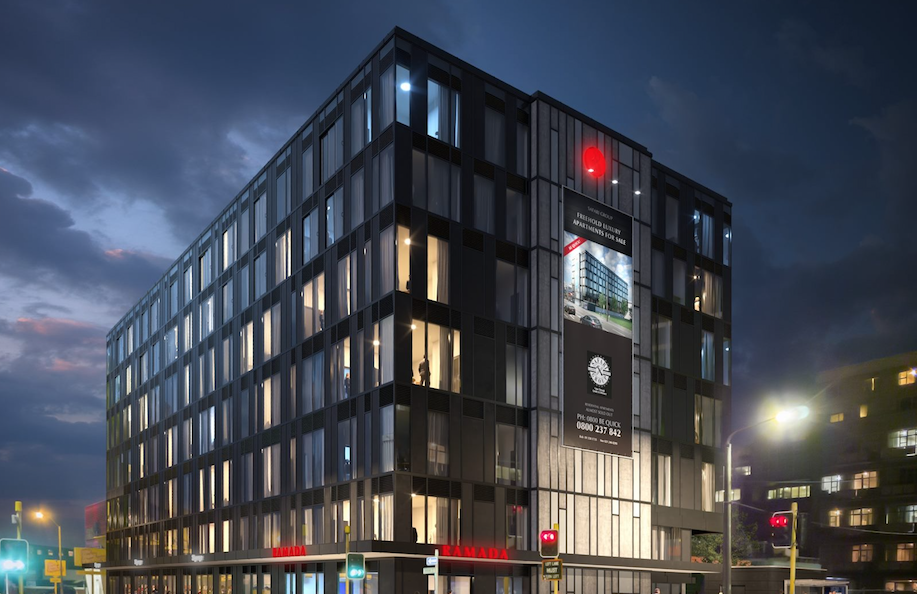
Most serviced apartments in New Zealand are centrally operated and managed by hotel brands. They require a relatively modest investment, offer freehold ownership and relatively stable returns, and are exempt from purchasing restrictions on overseas buyers. These features sparked a wave of interest among overseas investors. Today, YIJU New Zealand takes a detailed look at investing in New Zealand serviced apartments.
What exactly are the advantages of serviced apartments in New Zealand?
A lower purchase price and less financial pressure. Compared with residential or other commercial properties, serviced apartments are relatively small and cost less overall. This reduces the financial burden on investors and keeps investment risks relatively low.
Freehold ownership. All serviced apartments in New Zealand offer freehold ownership, and many owners are also entitled to complimentary stays each year. Holding the title gives investors peace of mind and allows them to sell their ownership interest and recover their investment if necessary, reducing investment risk to some extent.
Centralised operation and easy management. Serviced apartments in New Zealand are fully furnished and equipped, and most are centrally operated and managed by hotel brands. Owners need not worry about hotel occupancy or operating performance and can readily receive assured rental income.
This makes them a particularly straightforward and convenient option for investors, especially those based overseas.
Stable investment returns over the long term. Most serviced apartments in New Zealand are currently managed by internationally recognised hotel operators with broad customer bases and established operating models, providing assurance of hotel occupancy and rental income.
The New Zealand hotel industry is reportedly enjoying an unprecedented period of prosperity. Occupancy has risen steadily over the past 20 years, with rates in New Zealand's largest cities and popular tourist destinations reaching record highs of more than 75%.
Are New Zealand serviced apartments worth investing in?
Assessing whether a project is worth investing in starts with its returns. Generally speaking, a serviced apartment rental yield of 5%–6%, represents a fairly attractive investment return.
Take Ramada Hotel and Suites Wellington, a project by leading New Zealand serviced apartment developer Safari Group. Ramada is the long-term tenant, with day-to-day operations managed to four-star hotel standards, allowing owners to take an almost entirely hands-off approach.
{Ad}
Commercial lease term
The project's commercial lease term totals 30 years, structured as 15 + 5 + 5 + 5 years. Rental income has a relatively stable level of assurance regardless of the hotel's operating performance.
Investment returns
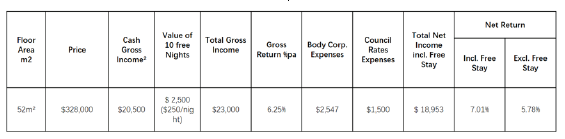
Depending on the apartment layout, annual rental income ranges from 6.14% to 7.5% of the unit's purchase price, with rent paid monthly. Owners are also entitled to 10 days of complimentary accommodation each year.
Rent reviews and increases
From the fourth year after the lease is signed, rent increases by 2% annually. A market rent review also takes place every five years. If demand for hotel rooms is strong, rent could increase by more than 2%.
Estimated investment returns for the Ramada Wellington project:
What should you consider when choosing a serviced apartment with investment potential?
- The developer's background and capability. Whether a property can be completed and settled successfully depends largely on the developer's capability and experience. Investors are advised to examine the developer's track record and financial strength, and inspect its previous projects.
- Project location. Consider future planning and development in the area, including its potential for growth and capital appreciation. Hotel rents change with the value of the surrounding area. If the area's value rises, serviced apartment rents and returns will rise with it. Factors that typically increase an area's value include improved municipal infrastructure and amenities, such as the start of metro construction or the addition of major urban facilities; upgrades to urban planning and the area's functions; the start of major commercial developments; and the arrival of prominent brands.
- Professional management by an established brand. A professional branded management company can provide efficient management services and a degree of brand recognition, along with established operating and management systems that help ensure a strong customer base and stable operations.
- Property amenities. Look for convenient facilities supporting everyday needs and business services. Increasing numbers of serviced apartments offer advanced, comprehensive amenities such as swimming pools, fitness centres, clubhouses and smart technology services to enhance the hotel's value and service offering.
- Transport access, property management, the hotel's visual presence and apartment layouts are also important factors affecting hotel performance and owners' rental income.