
← Back to articles
The following is an edited account of John Dalzell's remarks:
Construction skills shortages and limited management capability are the main bottlenecks
Before Park Hyatt, I was also involved in the Hyatt Auckland project. Although that was in 2011, we have faced the same problems for almost a decade: a shortage of construction talent, professionals working at full capacity, and insufficient available labour to meet market demand.
Hotels are the most difficult form of property investment
Hotel cash flow is no better than that of ordinary commercial property. One reason is that hotel operations have high and low seasons, with substantial differences in occupancy and revenue;
Modular construction is the way forward
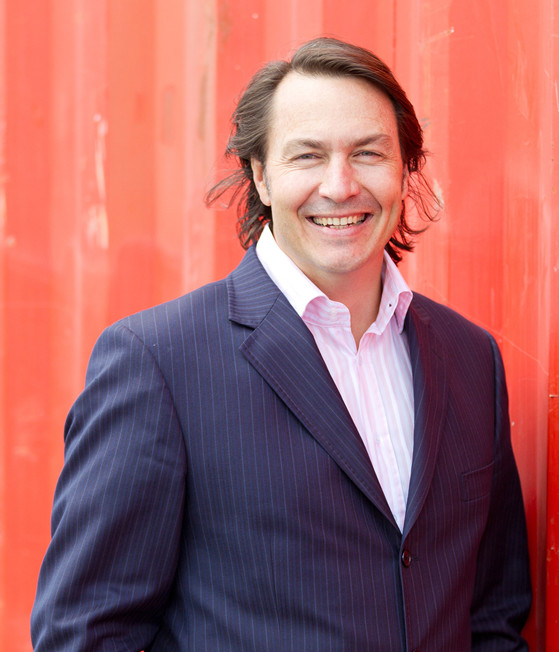
John Dalzell is Managing Director of Silk Road Management Limited, a company that aims to mobilise a range of resources to support major infrastructure and property projects in New Zealand.
John has extensive experience in project management, strategic advisory work, financial structuring, funding and financial management;
As former Chief Executive of Panuku Development Auckland and Waterfront Auckland, John led his team in attracting more than US$1,500,000,000 in private and public investment for the transformation of Auckland's waterfront development area.
John Dalzell: modular construction and big data—technological innovation will shape the hotel industry's future
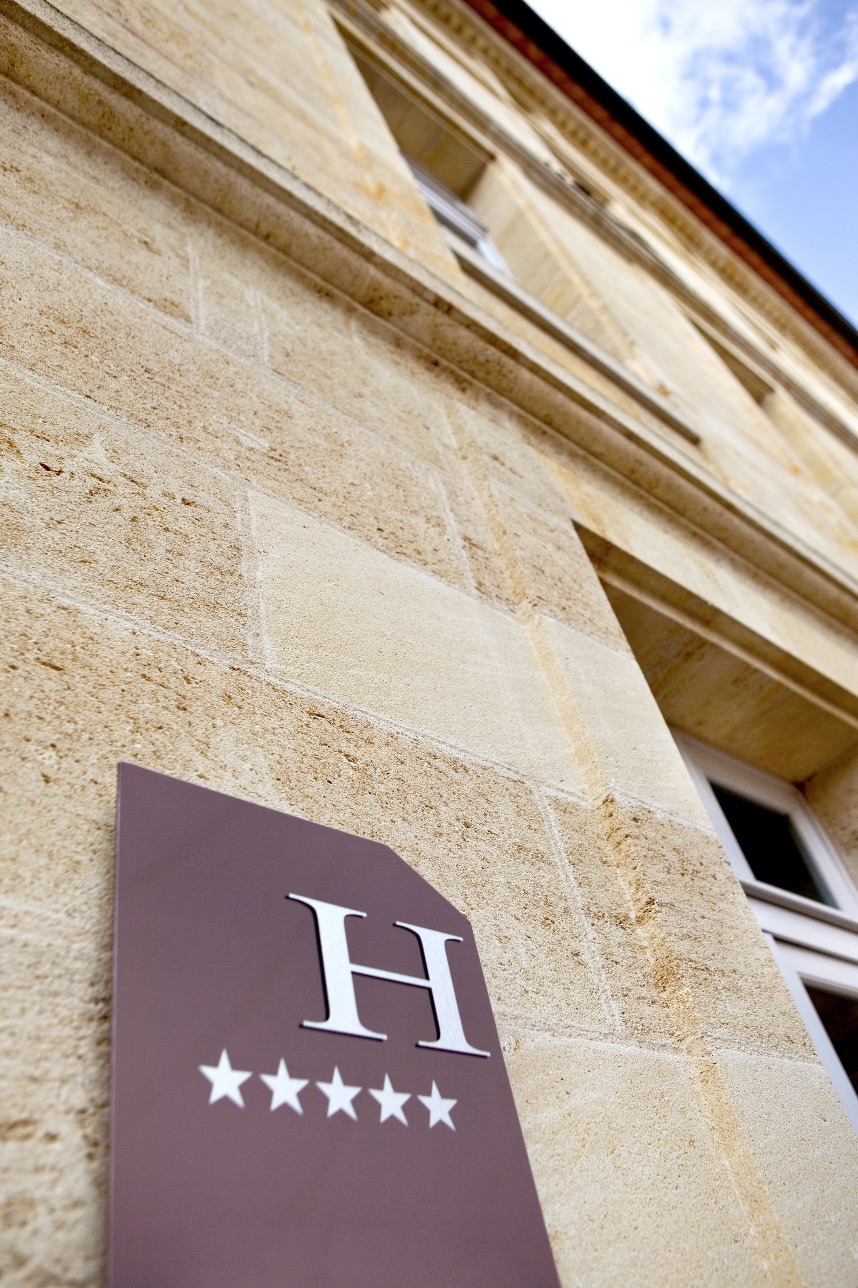
On the morning of 9 March 2014, a ground-breaking ceremony was held at Auckland's landmark Wynyard Quarter for the Park Hyatt Auckland, the city's first hotel above five-star standard and po
On the morning of 9 March 2014, a ground-breaking ceremony was held at Auckland's landmark Wynyard Quarter for the Park Hyatt Auckland, the city's first hotel above five-star standard and potentially the only one in Auckland, or even New Zealand, for the next 20 years.
The hotel was the first joint project between Fu Wah International Group and Waterfront Auckland, an Auckland Council agency, and established a long-term partnership between them. Leading the collaboration was John Dalzell, then chief executive of Panuku Development Auckland and Waterfront Auckland.
Other luxury hotel developments in which John Dalzell has been involved include the Hyatt Regency Auckland, renamed the Pullman Auckland in 2011.
Other luxury hotel developments in which John Dalzell has been involved include the Hyatt Regency Auckland, renamed the Pullman Auckland in 2011.
The five-star Pullman Auckland has 260 guest rooms, 80 apartments, 11 function rooms including the magnificent Princes Ballroom, an international restaurant, a bar and an award-winning spa.
John Dalzell can be regarded as a leading expert in luxury hotel investment, project management and hotel development in Auckland and across New Zealand.
John Dalzell can be regarded as a leading expert in luxury hotel investment, project management and hotel development in Auckland and across New Zealand.
YIJU New Zealand interviewed John Dalzell in his office, inviting him to share his distinctive insights and thoughts on New Zealand's hotel industry with our readers.
The following is an edited account of John Dalzell's remarks:
Park Hyatt will hold a substantial share of Auckland's luxury hotel market for the next 20 years
Park Hyatt will be Auckland's first hotel above the conventional star ratings. I believe it has successfully tapped into this gap in the market, potentially for the next 20 years.
That means nobody will build another hotel this luxurious in Auckland for at least 20 years.
As I understand it, Hyatt Hotels Corporation, which Park Hyatt belongs to, also operates very successfully in Sydney. The Park Hyatt Sydney's average daily room rate over the year is no less than A$800–900.
In future, the Park Hyatt Sydney website will link with Park Hyatt Auckland for joint marketing.
If you fly from China to Sydney, stay there for a few days and then fly to Auckland, or travel from Sydney to Queenstown before returning to Auckland and then China, booking all your hotels for the entire trip in one go will be an ideal, achievable option.
Most importantly, Park Hyatt's achievements have sparked interest among more investors, who have recognised investment opportunities elsewhere in the hotel sector, including downstream industries.
Most importantly, Park Hyatt's achievements have sparked interest among more investors, who have recognised investment opportunities elsewhere in the hotel sector, including downstream industries.
From New Zealand's perspective, the partnership with Fu Wah International Group is a highly significant strategic investment.
Construction skills shortages and limited management capability are the main bottlenecks
Before Park Hyatt, I was also involved in the Hyatt Auckland project. Although that was in 2011, we have faced the same problems for almost a decade: a shortage of construction talent, professionals working at full capacity, and insufficient available labour to meet market demand.
Improving management capability is also crucial. Every investor wants to complete a development in the shortest possible time and at the lowest cost, placing very high demands on project managers' abilities.
Yet in New Zealand's resource-constrained market, you will find that completing projects on time is not always possible.
That makes it particularly important to manage actively, drive the entire process forward and adjust completion dates promptly. Without this, a project could take 20% longer.
{Ad}
Location, brand and management are key to successful hotel investment
The brand is a hotel's symbol, representing its offering and the hotel itself, as well as the interests of its guests. The importance of management also goes without saying;
and location can be considered the most important factor in determining whether a hotel investment succeeds.
As tourism grows rapidly and competition intensifies, hotels in prime locations demonstrate a market competitiveness and influence that hotels in less favourable locations struggle to match.
Auckland has always been seen as the ideal first choice for hotel investment in New Zealand, because 70% of international visitors arrive and depart through Auckland.
Auckland has always been seen as the ideal first choice for hotel investment in New Zealand, because 70% of international visitors arrive and depart through Auckland.
Queenstown is another ideal choice because it is one of New Zealand's most popular tourist destinations, although filling rooms in the low season may take more time;
it also has a strong domestic market, with local companies choosing Queenstown for conferences and events, and families choosing it for holidays.
I believe investment demand in Queenstown has been quite strong over the past 10 years.
Wellington has also consistently been a relatively stable hotel market, with quite impressive occupancy rates, although these too are seasonal;
Christchurch was once very popular, with many Gothic buildings in its city centre, but what will its new journey look like after the earthquakes?
How attractive will it be to domestic and international visitors over the long term? We will have to wait and see.
Hotels are the most difficult form of property investment
Hotel cash flow is no better than that of ordinary commercial property. One reason is that hotel operations have high and low seasons, with substantial differences in occupancy and revenue;
another is that New Zealand's small domestic population makes the hotel industry more dependent on tourism, whose future remains uncertain.
Hotels also require long-term investment and substantial capital. Buildings serving the public take a long time to construct, unlike purely residential investments where costs can be recovered quickly.
Modular construction is the way forward
“Modular” describes a construction process rather than a building product. Like Lego or assembling cars, it involves manufacturing customised modules in a factory and assembling them on site.
Many hotels in the United Kingdom and Australia already use modular construction methods.
Many hotels in the United Kingdom and Australia already use modular construction methods.
In New Zealand, however, acceptance and recognition of modular construction remain relatively low, from local authorities through to end users.
Compared with Australia and the United Kingdom, New Zealand's approval process is also more complex and takes longer.
Although many complex issues still need to be resolved, modular construction has promising prospects in New Zealand. The country has a labour shortage, and modular methods can reduce labour requirements;
Although many complex issues still need to be resolved, modular construction has promising prospects in New Zealand. The country has a labour shortage, and modular methods can reduce labour requirements;
modular construction can also greatly accelerate building work and reduce construction costs;
and many emerging businesses are willing to incorporate this construction approach into housing design.
Big data enables more targeted hotel marketing
Technological development drives advances in information technology, which are continually translated into productivity. Industries are undertaking a series of reforms based on these gains, improving their efficiency and transforming their management practices.
Big data is a form of information technology, and several countries have elevated it to the level of national strategy.
Big data is a form of information technology, and several countries have elevated it to the level of national strategy.
Using big data represents the future of hotel marketing. To market themselves effectively, hotels need to keep pace with technological development and use big data to deliver precisely targeted services.
As big data is continually collected, analysed and applied, integrating it into marketing opens a path to “precision marketing” that can address the fundamental problems encountered in traditional hotel marketing.
However, whether simply using big data or using it to provide services, customers must come first.
While generating returns for yourself, you must also create value for customers.
John Dalzell
Managing Director, Silk Road Management Limited
Managing Director, Silk Road Management Limited
John Dalzell is Managing Director of Silk Road Management Limited, a company that aims to mobilise a range of resources to support major infrastructure and property projects in New Zealand.
John has extensive experience in project management, strategic advisory work, financial structuring, funding and financial management;
he also has considerable influence and extensive networks in New Zealand, including New Zealand–China business relationships and partnerships with Māori iwi.
As former Chief Executive of Panuku Development Auckland and Waterfront Auckland, John led his team in attracting more than US$1,500,000,000 in private and public investment for the transformation of Auckland's waterfront development area.