
Alert Level 4: can we still fly?
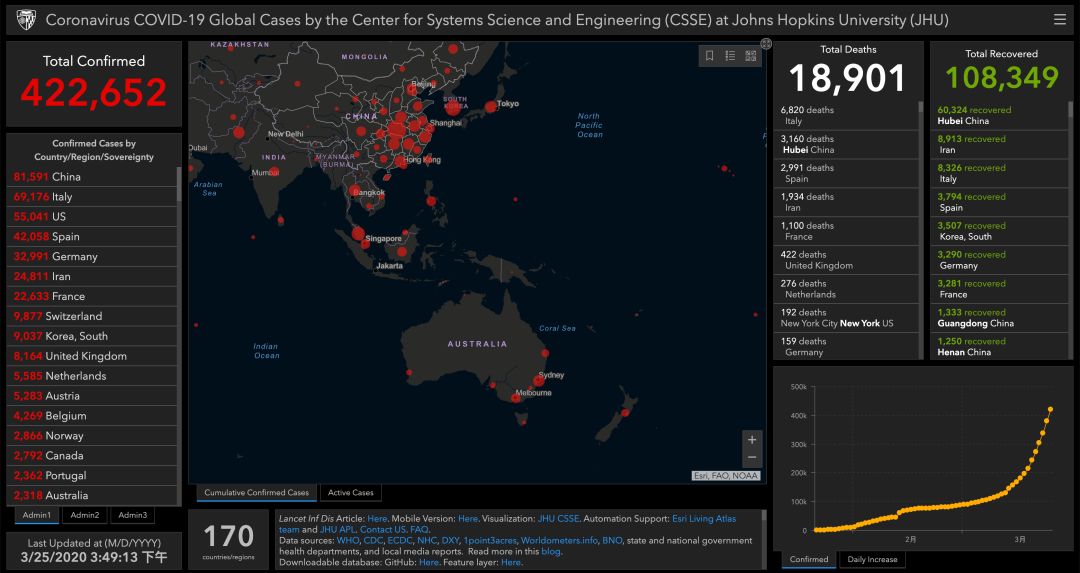
On 11 March, the World Health Organization declared the outbreak a pandemic. Over the following two weeks, confirmed coronavirus cases worldwide surged from more than 120,000 to 420,000. From 23:59 today, New Zealand's coronavirus alert level will also rise to the highest level, Level 4, for at least 4 weeks.
What is a pandemic?
Unlike an epidemic, a pandemic specifically refers to significant, sustained human-to-human transmission of an infectious disease in multiple countries at the same time: an epidemic spreading around the world.
When the WHO declares a pandemic, it means governments and researchers around the world will undertake large-scale cooperation and coordination. Funding, medicines and other resources will be allocated and used in a highly organised, targeted way to stop the pandemic spreading as quickly as possible.
At the same time, pandemic control measures may include requiring people to stay at home, avoid large gatherings and refrain from travelling for a period of time.
{ad}
Lv4 What does this mean for travellers within and outside New Zealand?
Under the coronavirus alert level framework previously released by the New Zealand Government, when the country moves to Alert Level 4:
- People are instructed to stay at home;
- Educational facilities close;
- All businesses close except essential services, such as supermarkets, pharmacies and clinics, and lifeline utilities;
- Supplies are rationed and facilities requisitioned;
- Travel is severely restricted;
- Healthcare services undergo major reprioritisation.
On air travel into and out of the country specifically, both the Prime Minister and Immigration New Zealand have made it clear that strict restrictions will apply: “Air services will only be available for transporting essential service personnel and freight.”
What should holders of New Zealand temporary entry visas do?
Sonny from law firm Forest Harrison explained: “Under section 78 of the Immigration Act, during an epidemic, all holders of temporary entry class visas, such as visitor, work or student visas, are entitled to an automatic (deemed) extension.” Sonny said this was a little-known part of the law.
The conditions for this provision to apply are:
- The person is in New Zealand on a temporary class visa.
- The New Zealand Government has issued an epidemic management notice.
- The visa will be automatically extended until 3 months after the epidemic management notice expires.
Immigration New Zealand has now announced on its website that the Government's epidemic management notice relating to immigration matters will take effect on Thursday 2 April 2020. The following provisions apply to holders of temporary visas, including work, student, visitor, interim and limited visas, who cannot or may not be able to leave New Zealand before their visas expire:
- Anyone whose temporary visa expires on or before 1 April 2020 must apply online for a new visa. Immigration New Zealand will issue an interim visa.
- Temporary visas expiring between 2 April 2020 and 9 July (including 2 April 2020) will be automatically extended until 25 September 2020. Confirmation of the extension will be emailed to all visa holders.
{ad}
What should New Zealanders overseas and their partners do?
For New Zealanders still stranded overseas, returning home from around the world has become very difficult as many countries tighten border restrictions and suspend flights. The Government's position has consequently shifted from repeatedly urging them to return as soon as possible to advising that their best option is to “find somewhere to stay and remain safely where they are”.
After New Zealand enters Alert Level 4 at midnight tonight, air travel restrictions for non-essential people will be deferred until 23:59 on Friday 27 March. Until then, New Zealand citizens, permanent residents, residents with valid travel conditions and their immediate family members (partners or spouses, legal guardians and dependent children under 24) can still return to New Zealand. Immediate family members must hold a valid visa or NZeTA and travel to New Zealand on the same flight as their New Zealand citizen or resident family member. Australian citizens and permanent residents who normally live in New Zealand may also return.
From midnight at the start of 28 March, only government-designated essential workers may continue to use air services. Air New Zealand has issued an announcement accordingly, saying it will continue operating as an essential service, but with substantially reduced operating hours and flight numbers. Before booking tickets or travelling to the airport, passengers must check whether they meet the travel criteria under the Government's list of essential services.