
Why is New Zealand's property market booming as its economy begins to weaken? An in-depth look at the pandemic's impact on the future of New Zealand's construction industry (part one)
As we all know, the spread of coronavirus has dealt a huge blow to the global economy, with effects that are difficult to quantify. According to the World Bank's June 2020 Global Economic Prospects report, economic activity in advanced economies was expected to contract by 7% in 2020, as domestic demand, supply, trade and finance suffered severe disruption.


As we all know, the spread of coronavirus has dealt a huge blow to the global economy, with effects that are difficult to quantify.
According to the World Bank's June 2020 Global Economic Prospects report, economic activity in advanced economies was expected to contract by 7% in 2020, as domestic demand, supply, trade and finance suffered severe disruption.
The hardest-hit countries are those with the most severe outbreaks and those heavily dependent on global trade, tourism, commodity exports and external financing. With tourism and imports and exports as pillars of its economy, New Zealand could hardly escape unscathed.
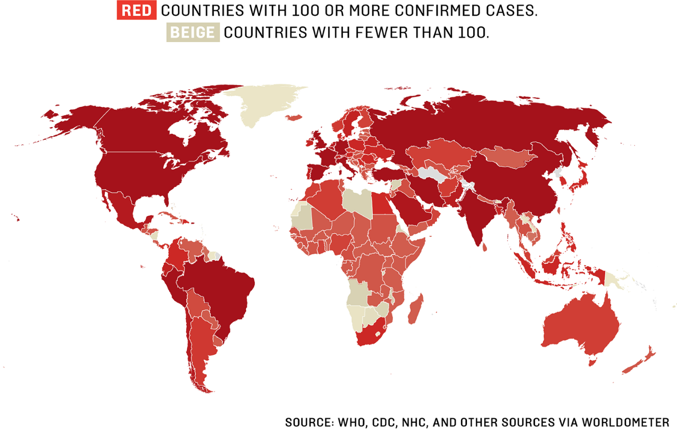
The pandemic's economic effects are wide-ranging. From falling GDP to a surge in unemployment, the signs point to an emerging downturn. Yet the property and construction markets, which had widely been expected to fall, have performed surprisingly well. The Chinese market in particular has been even more buoyant, leaving people pleased but somewhat puzzled.
Against this backdrop, globally renowned building materials manufacturer and leading fibre cement brand James Hardie invited YIJU New Zealand to conduct an exclusive interview with Mr Xu Li, president of the New Zealand Chinese Building Industry Association, to discuss his views on the pandemic's impact on New Zealand's Chinese property and construction sectors.

The interview follows:
Q: What impact do you think the pandemic has had on New Zealand's construction industry?
A: Economically, this pandemic has had a huge impact on global economic development, and New Zealand is naturally no exception.
For construction, it is easy to imagine the blow that pandemic-related uncertainty has dealt to commercial and infrastructure projects. During the first lockdown, around 70% of projects were affected: they were either stalled or cancelled, or had their budgets cut.
For example, the Auckland Airport runway and domestic terminal projects, worth around $2,000,000,000 in total, and the HSBC building extension project, worth nearly $300,000,000, all previously reported in the media, face being reconsidered at a later date.
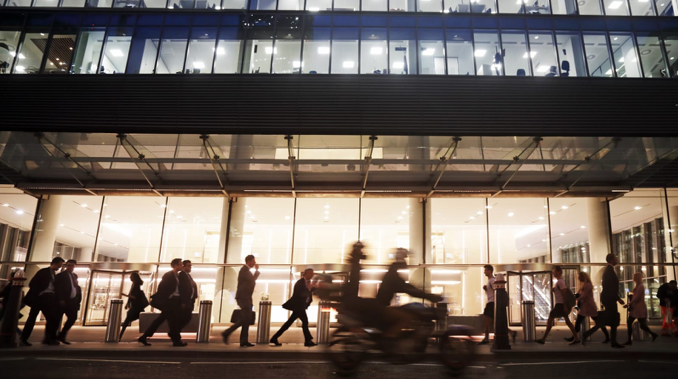
The Government launched a selection process for 'Shovel Ready' projects to support the construction industry. However, because the infrastructure projects involved are large and relatively inflexible, they are expected to help recovery only over the medium to long term.
Fortunately, projects such as school extensions may offer some short-term help. Although individual projects are relatively small in value, together they add up to a substantial amount.
For residential projects, government policies and investment mean we can foresee rapid growth in affordable housing projects.
If the incentives are sufficiently effective, publicly funded vertical construction projects will grow from their current share of 30% to 40%, playing a key role in the industry.
From a market perspective, we can also see that the residential market has been resilient. It is currently rebounding and even showing signs of growth. This performance has exceeded general expectations and taken many people by surprise.

In terms of working conditions, the pandemic has actually affected construction less than other industries. Construction already has stringent requirements for site operations, including signing in, signing out and wearing protective equipment while working. These workplace safety requirements have simply become stricter in the short term. We should also be prepared for them to become the norm, so everyone needs to take their implementation seriously.
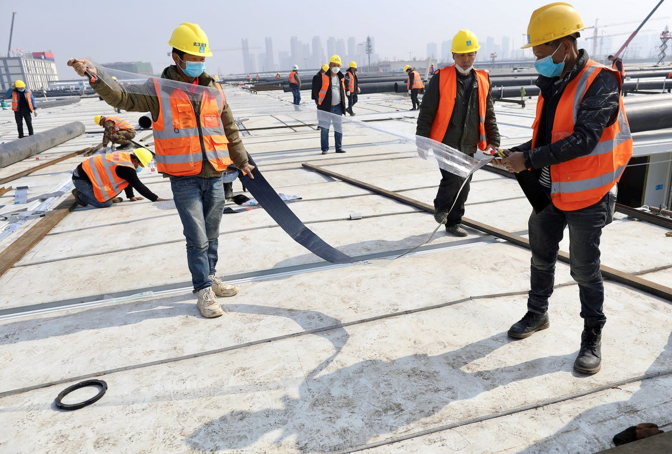
As for employment prospects, we remain relatively optimistic. Workers in the industry currently still have full workloads.
With strong government support and Shovel Ready projects getting under way, we will need more construction workers. In fact, the Government has already allocated funding for industry training, giving workers from other sectors affected by the pandemic a way into a new career.
Q: How do you view the opportunities and effects arising from this pandemic?
A: Looking at the residential market, it is currently rebounding. However, risks remain because of the wider environment, so people should be cautiously optimistic.
The Government is still providing support and subsidies. But when that support ends, if the economy is still declining and unemployment continues to rise, the industry and market will inevitably be affected.

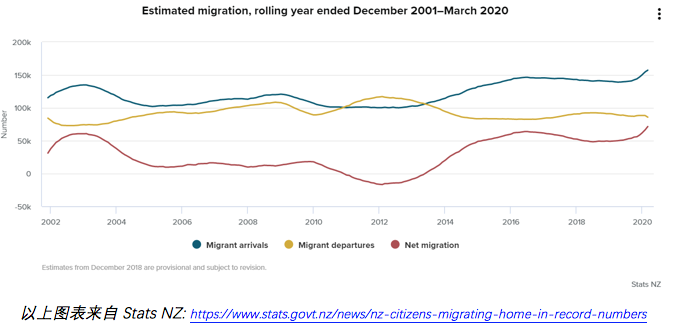
The opportunity is that the pandemic has prompted more New Zealanders and permanent residents to return and settle here. These returnees need homes, with particularly strong demand for affordable housing such as townhouses priced between NZ$800,000 and NZ$1,000,000.
By the end of March this year, the number of returnees had reached 42,800. More than half returned between December 2019 and March 2020, while net migration reached a record high of 71,500 people.
This pace of population growth has put some pressure on building consent processing, and most projects currently receiving building consent are concentrated in Auckland.
The pandemic's impact on construction has been polarised, with developers and construction companies working on large projects hit hard, particularly in commercial property, such as retail projects other than supermarkets, and office buildings.
Meanwhile, developers and construction companies working on small projects remain very busy, particularly our Chinese companies. Developers have ample funds of their own, while contractors are small enough to change direction easily. Both sides can work together flexibly, without the heavy cost burdens associated with commercial projects.
Q: How do you view the construction market's future prospects?
A: Because we do not know how long the pandemic will last, its impact on the commercial property projects mentioned earlier will be longer-lasting.
People are going out less and demand for purchases has fallen. The pandemic has also forced people to get used to shopping online, so retail projects will naturally be affected.
As people switch to working from home, demand for office buildings has fallen, particularly in the CBD. Tourism-related projects, such as those in Queenstown and airport hotels, will also be affected.
So, I suggest people start paying more attention to small and medium-sized Chinese projects. Some large construction companies had gradually walked away from this slice of the market because competition for these projects is also quite fierce, whereas commercial projects are stable and highly profitable. However, I still recommend returning to it, as this could well be the direction in which the construction market develops.
For sustainable growth, you must choose the right sector and know how to work with the Government to secure projects. Above all, you must pay attention to the Chinese community's own market.
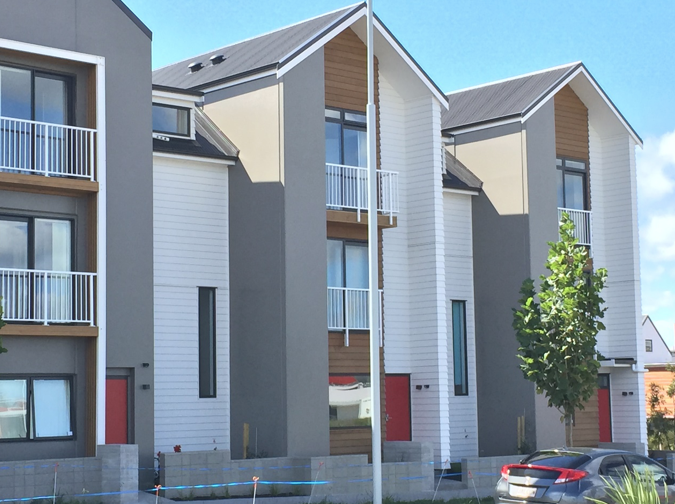
Built using James Hardie fibre cement products: medium-density housing
That concludes today's interview. Next, Mr Xu Li, president of the New Zealand Chinese Building Industry Association, will provide an in-depth analysis of the Chinese construction market, discussing market share, the current boom, future development and ways to respond.
Please scan the QR code to follow the official WeChat account of James Hardie, the globally renowned building materials manufacturer and fibre cement supplier. Join us again next Wednesday for more engaging content, industry news and building materials knowledge. Stay tuned!
