Could the Unitary Plan be replaced? Where are New Zealand property development, design and construction heading after the pandemic?
Where are New Zealand’s construction and property industries heading after the pandemic? Following Labour’s re-election, what new policies might the incoming government introduce for future urban development? And how will these measures affect the market and those working in it?

These questions concern more than industry professionals: they affect everyone living in New Zealand. On 26 November, a specialist seminar brought together leading figures from different parts of the industry to explore these topical issues in depth.
{ad}
Industry professionals will be familiar with the Ministry for the Environment’s recently developed National Policy Statement on Urban Development (NPS-UD). A team led by PwC urban economist Chris Crow was commissioned by the government to analyse its costs and benefits. At an industry seminar held last week, Crow outlined the statement’s key plans and proposals for New Zealand’s future urban development. He believes it could have a substantial impact on major cities such as Auckland, with obvious implications for property development and construction, and could even lead to the replacement or revision of the current Auckland Unitary Plan.
Hosted by well-known Auckland architecture practice Context Architects, the seminar invited several leading industry figures to discuss the future of property development, design and construction in New Zealand after the pandemic with Chinese professionals in construction, development and property. Topics included the opportunities and challenges facing the market, the government’s urban development agenda and its implications for Auckland, and finance and funding for property development projects.
The panellists were PwC urban economist Chris Crow, Quantum director Daniel Johnson and New Zealand Chinese Building Industry Association president Frank Xu.
The event was chaired by Context Architects managing director Stephen Voyle, with live interpretation provided by practice partner and head of its China team Nick Chan. To expand its services for the Chinese market and improve communication with clients and designers, the practice also launched its Chinese-language website and WeChat official account at the event, and released its Chinese-language Guide to Architectural Design and Consent Processes in New Zealand. The book aims to cut through New Zealand’s traditionally overwhelming planning and design processes, offering a simplified yet comprehensive perspective to help readers understand and navigate the process of initiating a building development project in New Zealand.
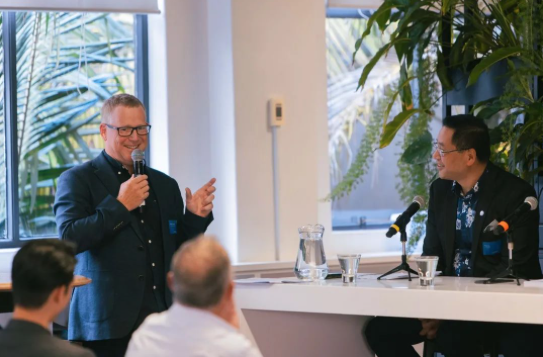
The three invited keynote speakers focused on the following topics:
Frank Xu began by introducing Seascape, Auckland’s latest landmark apartment building, for which he is project director, and discussed the opportunities and challenges encountered during its development. Overall, he sees enormous potential and strong prospects for future property development in Auckland. He believes the government should reconsider its overseas investment policies to better attract foreign capital for urban development and infrastructure. Drawing on his extensive experience, Frank also shared his PPP concept: the importance of People (the project team), Planning (project planning) and Pre-construction (early involvement in the project) to a successful property development. The importance of the team and planning goes without saying. Early project involvement is gaining support among more companies, including on government infrastructure projects and large, complex public projects. Approaches include Design & Build, ECI (Early Contract Involvement) and Alliance arrangements.
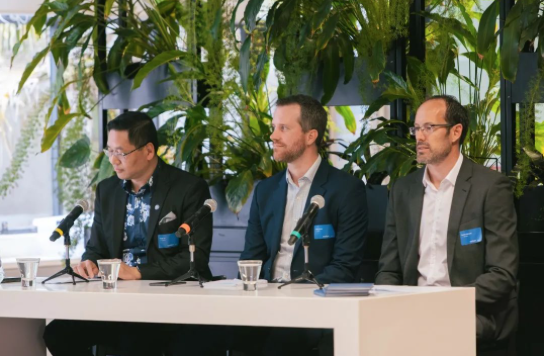
Chris Crow focused on interpreting the National Policy Statement on Urban Development (NPS-UD). He believes economic recovery will become a priority for the New Zealand government after the pandemic. Further growth in construction and property will depend on seizing opportunities from infrastructure expansion and an active property market, while aligning with long-term urban planning and incorporating green, environmentally responsible, ecological and sustainable development principles.
Drawing on more than 20 years of experience in quantity surveying and property consultancy, Daniel Johnson discussed financing issues that can arise in commercial and residential development, and how to make better use of banks’ policies to secure project funding.
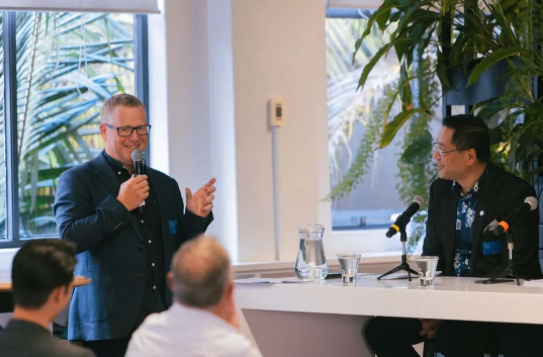
The event attracted more than 60 professionals from construction, design and property. Attendees listened closely to the speakers’ expert explanations and in-depth analysis, and joined discussions on these shared industry concerns.
Finally, organiser Context Architect said this seminar was only a beginning. The company plans to continue holding similar events on important topics in construction, development and design to better serve the Chinese market. Everyone attending received a copy of the newly released Chinese-language Guide to Architectural Design and Consent Processes in New Zealand.
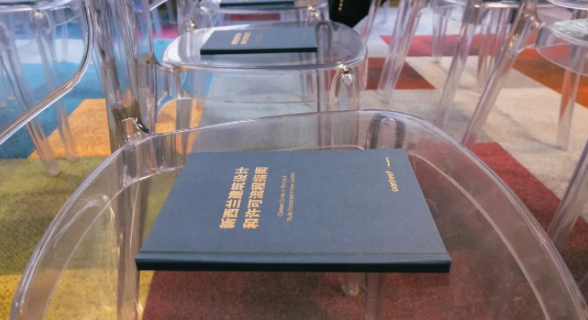
Would you like a comprehensive understanding of how to initiate a building development project in New Zealand? Unsure where to begin with complicated English-language documents? Here is your opportunity: leave your views or questions about any aspect of construction, development or design in New Zealand below this article. We will randomly select 5 readers to receive a Chinese-language copy of the Guide to Architectural Design and Consent Processes in New Zealand.
You can also scan the QR code to visit the ContextArchitect WeChat official account and download the book as a PDF.