
Rental market defies the quiet season: landlords benefit but must heed new rules
New Zealand’s rental market usually experiences its quietest period over Christmas and New Year, picking up again around February as universities resume and people change jobs. In 2021, however, a rental market expected to be subdued by border closures instead saw an unusual rise after New Year, alongside a booming sales market marked by soaring house prices and scarce listings. What exactly is happening in Auckland’s rental market?
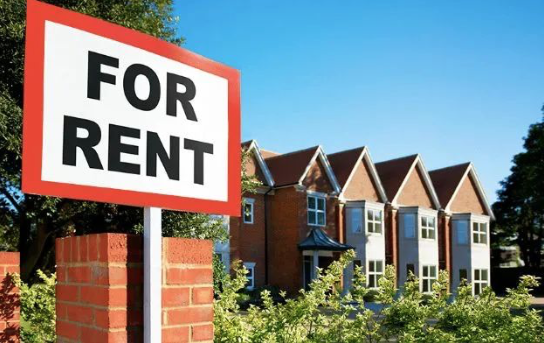
Rental market defies the quiet season
A series of provisions in the second phase of the Residential Tenancies Amendment Act 2020, taking effect today, has prompted many investors to lament how difficult being a landlord has become. Some have even vowed to leave the rental market as a result. Yet markets constantly sift out those unable to adapt. Any new rules may push some participants out while attracting newcomers willing to learn them. As Barfoot & Thompson director Kiri Barfoot puts it: “While we are seeing some owners choosing to exit, we are also seeing growing numbers of new investors requesting rental appraisals.”
For tenants, who now make up an overwhelming majority in New Zealand, the amendments intended to protect their interests may not be entirely positive. Outgoing REINZ chief executive Bindi Norwell believes the new rules could further reduce the supply of rental properties and potentially push rents higher. Property accountant Anthony Appleton-Tattersal also says: “In the short term, these changes are frightening for landlords. But in the long term, the inevitable consequence will be higher rents and property prices. Landlords who stay the course will ultimately always come out ahead.”
Data from Crockers Property Management already shows this trend: viewing attendance and rental applications are rising steadily, while the overall average asking rent for newly listed properties has edged up. Its rental report to the end of December 2020 shows that, compared with December 2019, rents for three-bedroom homes rose by 4–7% in South Auckland, with a median of NZ$569; by 1–5% on the North Shore, with a median of NZ$688, by 4–5% in West Auckland, with a median of NZ$585; by 4–5% in East Auckland, with a median of NZ$620; and by 1–8% in Central Auckland, with a median of NZ$713.
To explain the unusual rental market activity around the start of the year, Crockers Property Management’s business development and project manager Franklyn Young analysed both property supply and tenant demand.
{ad}
Changes in the number of rental properties – Supply
The buoyant property market over the past half-year has changed the supply of rental housing.
- Rental properties enter the sales market
On one hand, soaring house prices have tempted many owners with additional properties to sell. The progressive implementation of the Residential Tenancies Amendment Act and Healthy Homes Standards has also prompted them to reassess their residential investment returns. Should they spend a substantial sum renovating older houses to meet the new standards, or sell for a handsome profit and invest elsewhere? After weighing the options, they may choose the latter. Although previous lending policies have widely been seen as encouraging investor speculation, many first-home buyers have undeniably also used low interest rates to enter the market successfully. Many rental properties have consequently become owner-occupied after being sold, reducing rental supply.
- Developments take time to reach the market
It is difficult to say whether the development boom is driving today’s hot property market or the hot market is driving development. What is beyond dispute is that developers everywhere are buying, or planning to buy, older houses on large sections, demolish them and subdivide the land. This has also reduced rental supply in some older suburbs, particularly standalone homes on large sections built before the 90s. Yet developments often take one to two years to return to the market for sale or rent. As a result, more rental properties are being lost than added in the short term.
Changes in tenants’ lives — Demand
Traditionally, the start of a new year brings changes to many people’s work and lives, such as new jobs, school zones or further study, prompting them to consider moving after the holidays. This year, some particular changes have also emerged among tenants.
- A post-pandemic rental rebound
Many young New Zealanders temporarily moved back in with their parents last year after the pandemic and lockdowns affected their jobs or income. With New Zealand’s overall pandemic situation and economy now relatively stable, these young people feel more secure and are beginning to consider living independently again.
- Essential housing demand from returning New Zealanders
Many overseas New Zealanders reportedly begin viewing properties online and preparing to buy before returning, which has become a major factor driving house prices. But the vast majority of returnees need to rent to meet their temporary housing needs, whether they plan to buy and settle permanently or are simply seeking refuge in New Zealand while the pandemic ravages much of the world, intending to leave again afterwards.
- Forced moves as landlords’ plans change
As noted above, the active sales market has prompted many landlords to consider selling. Tenants who had no intention of moving may therefore have to find somewhere else after receiving a termination notice. Others, even without such a notice, may assess the likelihood of their rented home being sold and choose to move proactively to secure longer-term stability.
Taken together, these factors explain the unusually active rental market during what would normally be its quiet season. How it will change during the traditionally busy period ahead remains to be seen. Landlords should, however, take care not to become complacent because conditions are favourable:
- For new tenancy agreements signed during this period, landlords must provide tenants with insurance details and a Healthy Home Compliance Statement, rather than merely an Intention to Comply with the Healthy Home Standard.
- Become familiar with the Residential Tenancies Amendment Act 2020, particularly provisions that have changed substantially.
- Ending a tenancy is becoming more difficult, so screen tenants carefully and carry out risk assessments, including credit checks.
- Improve or maintain your rental property. Quality rentals are more likely to attract quality tenants, who will pay rent on time and take greater care of the property. This positive cycle will help increase the investment’s value and returns.
About the author

Franklyn Young
A University of Auckland graduate with a Bachelor of Property (BProp), specialising in property management and valuation. Since graduating, he has worked in residential property management, campus and building facilities management for a private school, and commercial retail and office property management. He currently works at Auckland Property Management as a body corporate manager and business development manager.