
Large-section subdivisions are still booming! Beyond construction professionals, you also need their help
Just yesterday, an old house on a 1518-square-metre section in Parnell fetched NZ$7,200,000 at auction, simply because the previous owner had already obtained resource consent to develop 5 standalone homes on the site. As the new year begins and the housing crisis intensifies, the rush to buy large sections and subdivide land remains in full swing.

From October to December in 2020, YIJU joined forces with the New Zealand Chinese Building Industry Association to successfully hold three seminars on land subdivision. We summarised and further explored the subject in the latest year-end issue of YIJU New Zealand magazine. In 2021, our official WeChat account will continue covering this hot topic, hoping to provide more information and reference material for readers interested in this field.
Recently, we have received many enquiries from clients about the legal process of subdivision and how to develop residential land into apartments or townhouses. In today's article, we discuss the stages of land subdivision from a legal perspective, helping you understand when a lawyer needs to be involved to keep your subdivision and development running smoothly.
{ad}
Step one: Purchasing the property
Buy land with subdivision potential, using the appropriate legal entity for the purchase and settlement.
The most common way to purchase a property suitable for development is through the open market or at auction, so reviewing the property documents and completing comprehensive due diligence is particularly important. This will directly affect your estimated development costs and return calculations. At this stage, you already need a professional team, including a planner, architect, property adviser, accountant and lawyer, to work together on a feasible land development plan.
What role does a lawyer play in this process? Your lawyer needs to search the title of the property you intend to purchase. The title may contain many interests, including easements. The lawyer's work includes investigating every registered entry in detail and explaining it to you, so you fully understand any restrictions that could adversely affect your development later.
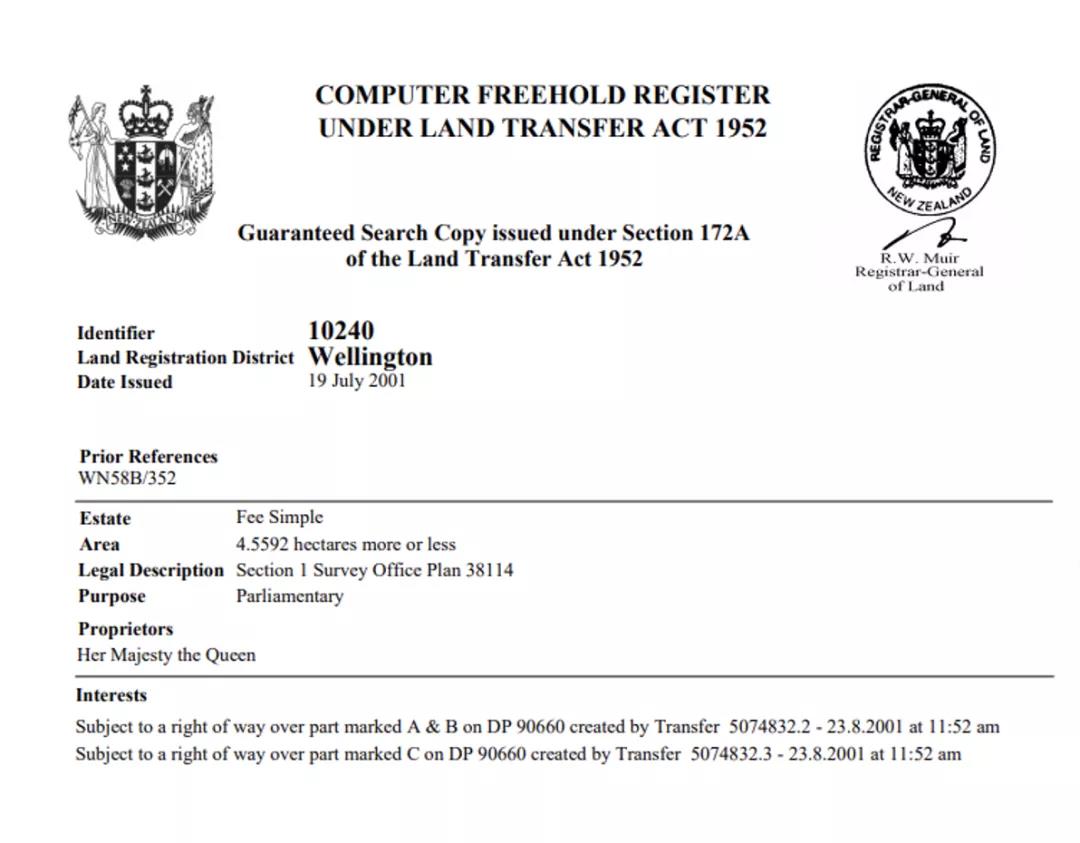
Case study:
Client A wanted to develop their land ten years after purchasing the property. Before starting, they contacted a lawyer and discovered a land covenant registered in a transfer on the title. It imposed height restrictions on any development to prevent buildings from blocking the neighbours' views. Because the land covenant was registered permanently, Client A was bound by its terms, and the height restrictions on the development affected their ability to maximise returns.
It is important to note that land covenants are not all the same. A land covenant is essentially an agreement between parties, commonly with neighbouring owners or a land developer, so each parcel of land may have different restrictions. Before attending an auction or making an offer on a property, contact your professional team and complete all aspects of due diligence.
Alongside land covenants, you need to understand all other entries registered on the title. Even if the Auckland Unitary Plan allows land in certain areas to be subdivided and developed, this does not mean every property in those areas can actually be subdivided or achieve your intended development goals. Restrictions on the title may limit the land's development potential. In certain circumstances, courts also have the power to impose special requirements on the development of a particular parcel of land, or restrict the construction of apartments or standalone houses on it. These powers take precedence over the Unitary Plan.
Once all investigations are complete, you also need to discuss with your lawyer and accountant how purchasing the property through different legal entities may affect the project's future tax position. Once settlement occurs, many tax consequences are generally irreversible. Common ownership structures include companies, individuals, partnerships and trusts. If the purpose of the purchase involves land development and construction, such as building an investment property or developing for sale, you should also discuss GST registration and subsequent refunds with your accountant.
Step two: Applying for resource consent
Once you have purchased your preferred land, the next step is for your planner and surveyor to arrange an application to the council for resource consent, followed by the 223 and 224C certificates. All these documents must be obtained before the final title application can be completed.
As this step does not involve legal issues, we will not discuss it further here and will move directly to step three.
Step three: Applying for titles
Applying for titles is a stage in the subdivision and development process that requires a lawyer's involvement. Once the land survey is complete, your lawyer will contact your surveyor directly to obtain the resource consent and associated information. Based on this information, the lawyer will prepare the relevant covenant and easement documents for registration on the titles, including council-required notices, land covenants, title restrictions and easements.
What will be registered on the titles?
Relevant title interests will be registered, including land covenants or encumbrances, as well as council requirements such as consent notices. At an early stage, the surveyor's land survey report will identify which of these documents will ultimately be reflected on the titles. Common easements include rights of way and easements for electricity and telecommunications. Where two houses adjoin, there may also be a party wall easement governing ownership and maintenance of the shared wall.
Land covenants imposed by developers are also common in many new land developments.
As a developer, you can establish specific land covenants, and future landowners must comply with those registered on the titles.
Common examples include covenants added when developing vacant land to ensure future purchasers build homes to a consistent standard; restrictions on any commercial activity on residential land; or requirements for every landowner to obtain the developer's approval of building plans before construction.
Which other third parties need to be contacted?
Some developments involve drafting special provisions and require contact with third parties. For example, many developments now involve:
- Telecommunications companies, which need easements registered on the new titles to give them rights to carry out maintenance and repairs.
- If you are building apartments or certain townhouses held under unit title, body corporate documents will also need to be prepared for registration.
- Another common requirement is signed consent from the mortgagee, such as a bank.
As outlined above, title applications involve extensive preparation and many different parties and matters. Make sure your lawyer is involved early, and aim for your lawyer and surveyor to coordinate their submissions to Land Information New Zealand to shorten the time needed to issue the titles.
Step four: Drafting sale and purchase agreements
You do not need to wait for the new titles to be issued before selling your new properties; you can sell them off the plans. A lawyer will need to help you draft the relevant presale agreements.
Every development has its own particular requirements, making it especially important to include conditions that protect the developer's interests. A common example is a sunset clause that gives the developer a reasonable safety margin. It provides that if the property has not been completed and delivered by a specified date, known as the sunset date, one or both parties may cancel the agreement after that date.
Your bank should also review the agreement to confirm its approval and check whether it requires any particular additional conditions.
About the author:

Joy Yuan
Joy Yuan is a lawyer admitted to the High Court of New Zealand and a principal at Turner Hopkins. She holds a double degree in law and management, and an MBA from Babson College in Boston with a major in entrepreneurship.
She specialises in commercial law, including company structures, shareholder agreements and establishing trusts, as well as property law, including land subdivision and property transactions.