
Bernard’s property picks: Is this beautifully fitted-out Ponsonby commercial property really worth buying?
A carefully refurbished, two-storey commercial property in central Ponsonby, with an entry-level price and a range of possible uses… It sounds appealing, but is it really worth buying? Bernard takes a closer look.

Who is Bernard?
In 2001, at the age of 21, Bernard Leung bought his first property in New Zealand. He has since been active in the property market for 20 years and is a well-known property investment expert and experienced residential and commercial property manager.
Bernard believes that success and good fortune come to those who persistently seek opportunities. Over 20 years, he has therefore made a point of attending open homes in person every week, viewing countless properties.
YIJU has teamed up with Bernard to launch ‘Bernard’s property picks’, a column sharing worthwhile investment listings as they become available. Alongside case studies, it introduces YIJU readers to the golden rules of property selection that Bernard has distilled from years of practical experience. We believe that reading ‘Bernard’s property picks’ can help you become a clear winner in property investment too!
- Property photos
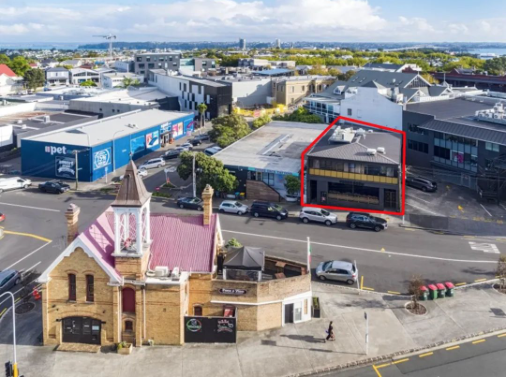
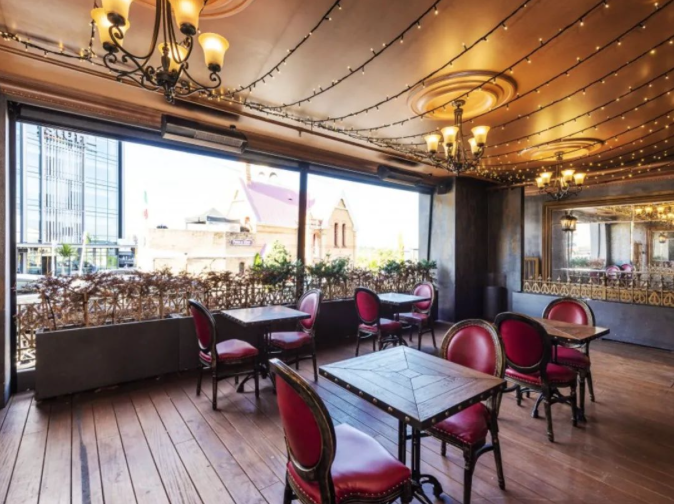
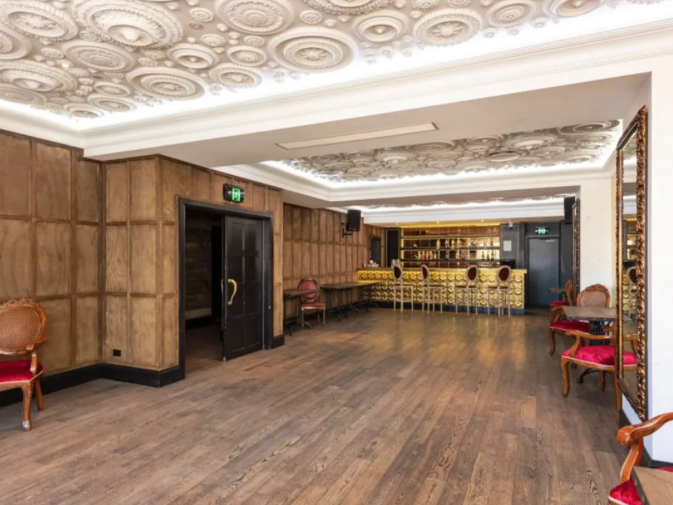
- Property details
Address: 5 Rose Road, Grey Lynn, Auckland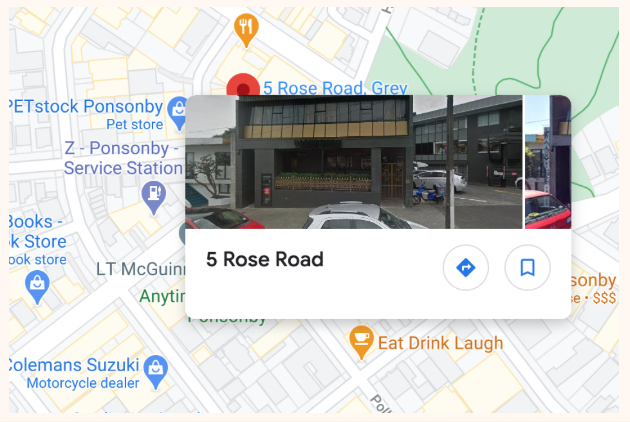
Land area: 379 m2
Floor area: 566 m2
Storeys: two
Capital value (CV): NZ$3,400,000 = land value of NZ$1,875,000 + improvements of NZ$1,525,000 (1 July 2017)
Council rates: NZ$211,116 per year
Parking spaces: none
Tenants: none
Potential uses: offices, retail, hospitality and entertainment, a showroom, or mixed use
Other income: annual billboard income of NZ$7200 plus GST
- Property highlights
Generally, investing in commercial property offers higher returns, fewer expenses, longer leases and more reliable tenants than residential property.
This particular property has several features that make it worth considering as an investment:
Excellent location:
This commercial property is in the heart of rapidly developing Ponsonby, close to State Highways 1 and 16, and opposite Ponsonby Countdown. The well-known Vinegar Lane apartments are nearby, while other upmarket apartment developments, such as The Greenhouse, are under construction and will bring many more residents to the area.
Strong land development potential:
This versatile commercial property sits in a sought-after Business – Town Centre zone, where planning provisions allow buildings up to 13 metres high. It offers considerable potential for future development, and being sold vacant creates an opportunity for redevelopment. However, all these possibilities require planning and investigation.
Versatile uses:
Want to open a nightclub on Ponsonby Road? Do not miss this opportunity! Refurbished to the highest standard, this standalone building spans two storeys, with open-plan areas, outdoor decks, private spaces and an impressive courtyard. Previously a restaurant, the property is inherently versatile and could accommodate offices, a showroom, retail, or a combination of these uses.
The billboard, in a prominent position opposite Ponsonby Countdown, can also generate NZ$7200 plus GST each year.
More favourable tax treatment:
Commercial property receives more favourable tax treatment than residential property. From April 2021, residential property owners will no longer be able to claim mortgage interest as a tax-deductible expense. Under the bright-line test, any capital gain will also be taxed if they sell the property within 10 years of purchase.
However, this new rule does not apply to commercial properties such as shops, offices, warehouses and factories. Their owners can still claim loan interest as a tax-deductible expense.
Entry-level price:
Buying commercial property usually requires more capital than buying residential property. This property offers a rare entry-level price, making it worth considering for investors with limited funds and less experience.
Some scope for capital growth:
If the property’s rental income increases, its value has the potential to rise, which will be directly reflected in its valuation.
- Property drawbacks
There are also drawbacks to commercial property investment that should not be overlooked:
Higher vacancy risk, because most commercial properties suit businesses of a particular type or size, whereas residential properties generally appeal to a broader range of people. If you need rental income to meet loan repayments, vacancy can be a major problem.
Greater sensitivity to economic changes: when New Zealand’s economy is strong, the commercial property market generally follows suit. But when the economy weakens and businesses struggle, demand for commercial property falls, increasing vacancy risk and reducing property values and market rents. Residential property is less susceptible to economic fluctuations.
Property value depends on the strength of the lease: If the leasing market is strong and your property has an attractive tenant on favourable lease terms, its value will rise. Conversely, if you have to compromise on lease terms or accept lower rent to fill a vacancy, its value could fall rapidly. This means commercial property values depend on the quality of the lease, and vacancy during a weak leasing market can undermine the value of your investment.
For this particular property, the main issues are:
No car park:
As we all know, convenient parking is an important consideration when consumers choose where to shop. It is therefore crucial to business operations. Commercial tenants pay close attention to parking arrangements, and the presence or absence of a car park can indirectly affect a commercial property’s value. Investors should therefore first consider properties with sufficient parking spaces.
However, commercial properties without a car park can still be worth considering.
The importance customers place on convenient parking varies with the property’s use. This property is unsuitable for retail because it has insufficient surrounding foot traffic and no car park. Retail customers want an easy, comfortable and convenient shopping experience. Easy access during busy periods and convenient parking help them enjoy their shopping.
A vacant property with no income:
For commercial property investors, having quality tenants who provide a stable monthly income is very important. Buying a commercial property already leased long-term to a quality tenant can effectively reduce risk, particularly for novice investors.
Unfortunately, the property in this case is being sold vacant. With the pandemic currently making suitable commercial tenants harder to find, securing one could take a long time. Assessing tenants’ suitability and choosing carefully are also important: letting to an unsuitable tenant can waste your time, energy and resources.
Commercial lending requires more capital:
Under current LVR requirements, buying a commercial property requires a deposit of around 35%. Commercial and residential lending rates also differ, with commercial loan rates generally higher.
Different business uses require consideration of fit-out/refurbishment costs:
The previous tenant, The Vodka Room, was a restaurant that spent over a million on fitting out and refurbishing the building. But a prospective tenant may not want to run a restaurant, so you may need to spend more on refurbishment to attract new tenants. A realistic budget is essential to avoid overspending on commercial refurbishment.
Limited liquidity:
Selling a commercial property can take several months, usually longer than selling a well-located residential property, making it relatively less liquid.
- Estimated property returns
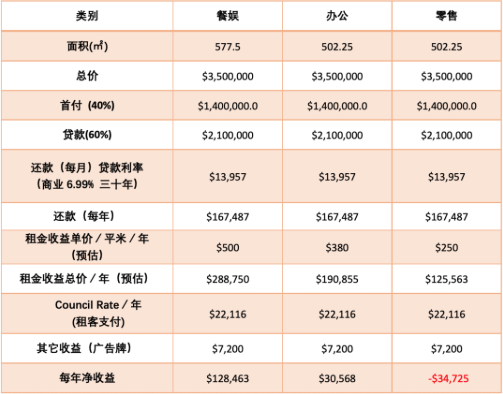
As discussed above, this property was previously a restaurant and can now accommodate a range of uses. We have estimated its potential returns under three scenarios: hospitality, office and retail use.
Please note the following about the table:
1. Usable floor area is calculated according to the intended use. The hospitality and entertainment category includes the ground-floor entrance and deck, and the first-floor deck;
2. All rental returns are estimated based on market rents;
3. Repayment interest is calculated using bank commercial lending rates.
- Bernard’s golden rules
— What you need to know about commercial property:
- Although commercial property may carry a higher vacancy risk than residential property, much depends on location.
- Commercial property issues are also handled on a commercial basis, rather than through the residential Tenancy Tribunal.
- Commercial property also offers capital growth, but net yields are generally higher than those of residential property, at 5% or more. Auckland’s residential market has enjoyed substantial capital growth in recent years, but yields can be quite low, at around 2% to 3% after costs.
- Commercial landlords have more rights than residential landlords.
- Residential landlords pay property charges and insurance premiums, among other expenses, while tenants hold most of the rights. Commercial landlords have detailed lease agreements under which tenants may pay more of the expenses, although leasing costs and agency fees are paid by the landlord.
- Additional risks in commercial property centre on lease terms and duration, and the quality and number of tenants. These require further detailed investigation before purchase, which may incur additional costs.
— Investment opportunities in these locations should not be missed:
- Auckland, Wellington and Christchurch all have well-developed commercial property markets, but areas such as Hamilton, Tauranga and Palmerston North also show substantial growth opportunities.
- With markets less buoyant than Auckland’s, commercial property in Tauranga and Hamilton is still developing, and yields are growing slowly.
- Historically strong yields, a low-interest-rate environment and high rental growth have driven significant yield compression in Auckland commercial property, generating substantial capital growth.
- As Auckland’s land values and number of buildings increase, average rental costs are much higher.
- Residential property has also experienced substantial growth, but its capital growth has gradually diminished, while commercial capital growth has not.
— There is no single best commercial property, only the one that suits you best:
{ad}
Commercial and residential property can have very different investment returns and risk profiles. The right property for you depends on your circumstances and investment goals. Before making an investment decision, consider these five questions carefully:
- How involved do you want to be in your investment?
- Will this be your only investment or part of a portfolio?
- What is your financial position?
- Is your investment plan short-term or long-term?
- Do you want high returns with higher risk, secure lower returns with lower risk, or something in between?