Don’t let your renovation come to nothing! Learn these essentials before renovating an older home!
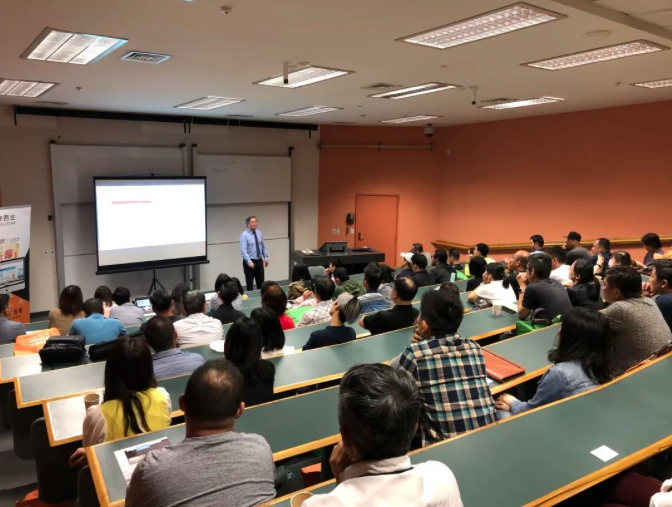
Last week, the first seminar in the older-home renovation series jointly organised by YIJU New Zealand and the New Zealand Chinese Building Industry Association (NZCBIA) was successfully held. Titled “How to increase your property’s value: the secrets and tips of renovating older homes”, the event attracted a hundred guests. Four speakers provided a comprehensive explanation of the many issues involved in renovating older homes.
Event highlights
Optimising tax structures under the new property policies: strategies for legally minimising tax
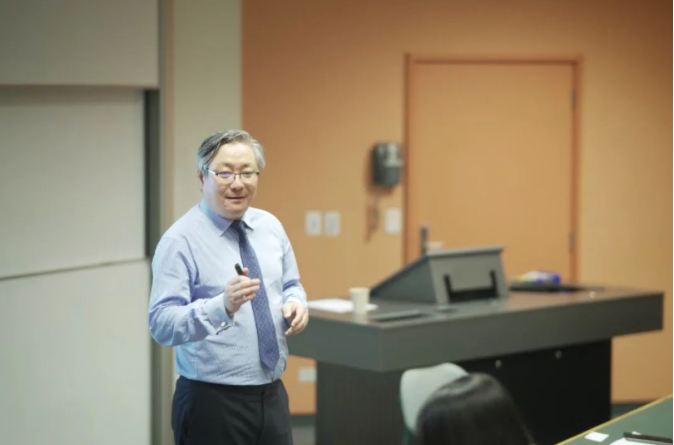
Tony, founder of Baicheng Accounting, explained how to optimise tax structures under the new property policies and explored the practical application of tax policies to property investment. His presentation drew repeated applause and gave attendees plenty to take away.
With 17 years of tax experience, Tony explained the differences between the new and old bright-line test rules under the new property tax policies, and how to optimise tax structures following the removal of interest deductibility. He analysed the different tax implications of holding property personally, through a partnership, an LTC, a company or a trust, and calculated which investment arrangements offered the greatest tax savings and security.
Tony also discussed strategies for restructuring or changing property investment arrangements. He advised attendees against readily changing existing structures, such as restructuring loans or ownership arrangements, before legislation was introduced and the situation became clear. He outlined pitfalls to avoid when restructuring, discussed whether legal tax minimisation could trigger anti-avoidance provisions, and covered tax restructuring approaches such as adding trustees.
Spend where it counts! A prominent architectural designer explains how to maximise your home’s value
Dylan Huang Haixin, a prominent architectural designer from Auckland Architectural Design Institute, explained common mistakes people make when renovating older homes, along with specialist knowledge about subdivision and extensions to maximise a property’s value.
In his presentation, Dylan explained how removing an older house could enable subdivision and new housing development, the five main principles of extensions and alterations, and the difference in value between adding a 60-square-metre home and a 30-square-metre home in the yard. He also shared approaches to bathrooms, garages and extensions on upper and lower floors, and offered practical information about which alterations require consent and which do not.
Finally, Dylan reminded attendees that renovating an older home places very high demands on construction work. Before renovating, owners should find a professional, reliable design company, understand its technical capabilities and examine real projects it has worked on, to avoid common renovation mistakes.
How can renovating an older home create a sales “miracle”?
Barfoot property sales consultant analyses successful older-home renovations
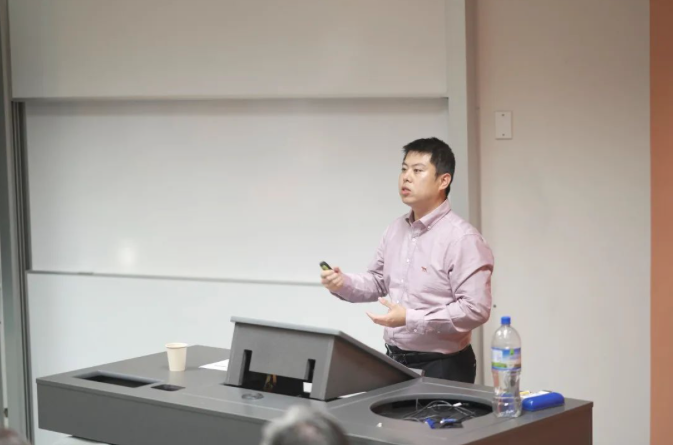
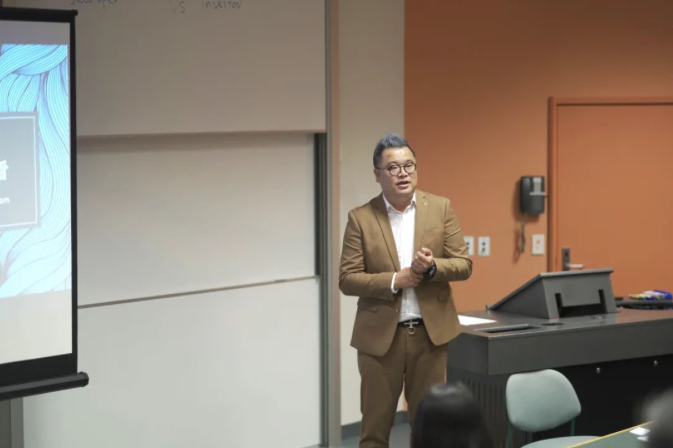
Miro Wang, a property consultant at Barfoot & Thompson’s Epsom branch, has repeatedly achieved results regarded within the industry as “sales miracles”. At the seminar, Miro shared successful older-home renovation projects he had encountered during his career. He showed how owners had maximised their homes’ value through redesign, extensions and alterations. Photos and videos vividly illustrated several transformations, leaving the audience inspired.

How can loans fund an older-home renovation? On Top-up and the importance of property value
One of the most important questions when renovating an older home is where the money will come from. For this event, we invited Frank Fu, a senior mortgage adviser from the well-known finance company Huarong Credit, to explain the funding issues that arise during older-home renovations and how loans can help cover the costs.
Frank repeatedly emphasised the importance of top-up loans: a way to access unused equity, or equity gained through an increase in the value of a mortgaged property, through the existing bank. He explained how to apply for a top-up, its advantages and disadvantages, and points to consider when applying. He also analysed how the amount a bank might lend varies according to owners’ income, living expenses, debts and investments, and how to provide a sound reason for accessing the funds when applying to a bank for a top-up.
The top-up loan calculation is as follows:
Top-Up equity in the mortgaged property=Property value (Property Value)x the allowable lending LVR-existing loan amount
Finally, Frank reminded attendees that spreading assets across different banks could help secure the largest possible top-up. He also highlighted points to consider when renovating or redecorating: most banks require the work not to involve a consent application, with consideration given to whether a construction loan application is needed, and amounts above NZ$70,000 may need to be drawn down in stages.
Question-and-answer session draws questions from many participants
Renovating older homes becomes a hot topic under the new policies
The event attracted more than a hundred people interested in renovating older homes. They came from a range of backgrounds, including investors, owner-occupiers and even students from universities across New Zealand. Throughout the two-hour seminar, each presentation was met with thunderous applause. During the final “Meet the experts” question-and-answer session, participants eagerly put questions to the speakers.
Students from AUT told us that renovating older homes as a way to earn money was also an investment option that interested young people like them. With house prices currently so high, buying a new home in good condition requires substantial capital, whereas renovating an older home involves relatively low costs and can deliver fairly substantial returns.
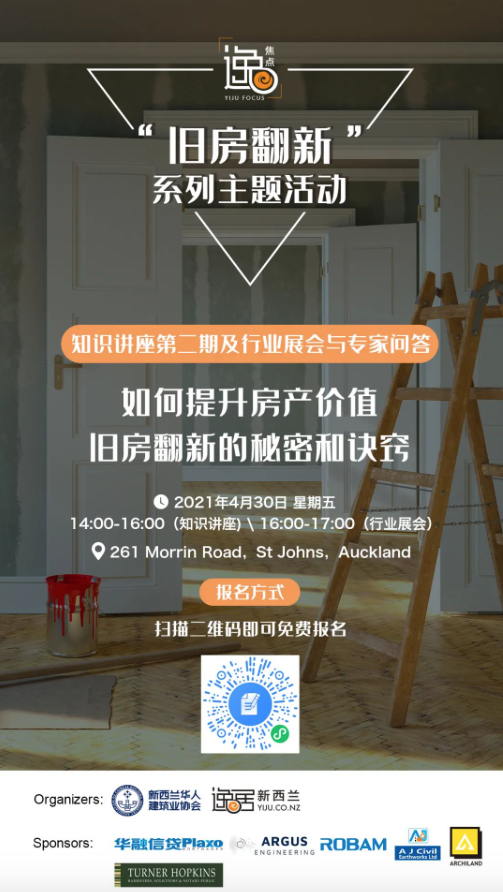
4/30: join us for the second older-home renovation seminar, industry exhibition and expert question-and-answer session!
It’s confirmed! On 30 April, the second older-home renovation seminar and industry exhibition will be held at 261 Morrin Road, St Johns (Building 731). Experts from well-known New Zealand design companies, plumbing systems businesses, and home improvement and appliance companies will share a wealth of practical knowledge. The industry exhibition following the seminar will offer guests the opportunity to meet and interact with industry experts and a variety of exhibitors. We warmly welcome both new and returning guests!
Registration for the first seminar was extremely popular, so we encourage everyone to register early this time. Registration for the second seminar is now open. Click the mini programme below or scan the QR code on the poster to register free of charge.
Time: Friday, 30 April 2021, 14:00–16:00 (seminar) / 16:00–17:00 (industry exhibition and expert question-and-answer session)
Venue: Building 731, 261 Morrin Road, St Johns