
Shipping costs double and raw material prices soar! Construction industry faces mounting cost pressures
New Zealand’s property market has fully entered a construction boom, but the most serious challenges facing the construction industry are rising building costs and raw material shortages, which are driving costs higher.
Material shortages affect half of New Zealand’s housebuilding projects
Amid an unprecedented construction boom and the continuing effects of the pandemic, builders’ biggest challenge this year is coping with both rising raw material prices and shortages of building materials.
Visits to several building supply stores around New Zealand revealed that many materials have been cleared out, with some stores’ shelves remaining empty for weeks without replenishment.
A Stats NZ survey covering 3000 new residential projects shows that half of building projects have continued to be affected by material supply disruptions since the first quarter of this year, with more than two-thirds of those in Auckland. Nationwide, the number of projects affected by shortages of building materials and equipment is expected to run into the tens of thousands, with Auckland hardest hit.
Auckland Master Builders president Tony Pexton said:
“Many building supply stores currently have empty shelves. Whether in Auckland or anywhere else, building supplies are a huge problem. It is not just timber: every product you can think of is currently in short supply.”
Despite severe raw material shortages this year, the latest figures show that substantial construction activity is still under way.
“Interest rates remain low and house prices continue to rise strongly, further boosting confidence in the construction sector. Residential construction is expected to increase significantly again next year,” Westpac said.
{ad}
Raw material shortages trigger the “toilet paper” effect, as construction costs rise across the board
“This is like the ‘toilet paper’ effect during last year’s pandemic outbreak. People rushed to stores to stockpile supplies, leaving shelves empty for long periods. This behaviour is making the current building material shortages even worse,” an employee at an Auckland building supply store told us.
Mike Craig of the New Zealand builders’ association said:
“This panic buying is undermining fairness in the industry. Many companies are stockpiling timber in their warehouses to cope with supply problems, but in the interests of fairness, the government should take steps to ease the situation.”
Consumers may soon feel the upward pressure on construction costs caused by shortages of raw materials and labour.
According to the latest Stats NZ figures, by April this year, overall construction costs had risen by about 0.9%, while the cost of construction services such as carpentry had increased by 0.8%. Some trade-related service costs also rose, including electrical installation, up 3.2%; plumbing, up 3.7%; and roof framing, scaffolding and weather protection, up 2.5%. Every construction-related industry recorded increases of varying sizes.
Shipping prices soar overnight, with supply problems affecting multiple New Zealand industries
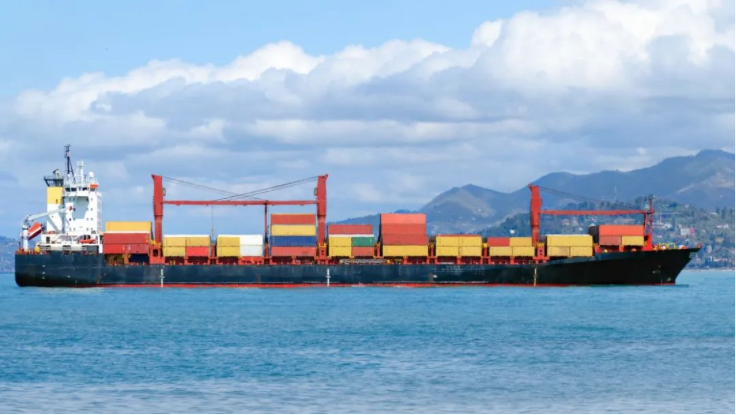
Figures show that shipping costs are continuing to soar. Container freight prices from Asian ports to destinations around the world surged overnight, with some rising from US$1600 to US$3600, doubling in price. Together with the blockage of the Suez Canal, this has put unprecedented pressure on shipping costs.
PlaceMakers chief executive Bruce McEwen said the price increases were mainly caused by “traffic congestion”. Shortages and delays involving freight capacity, container availability and port space mean many New Zealand industries, beyond construction alone, are facing supply chain and freight problems.
As construction costs keep rising, house prices may climb further
Although the New Zealand government announced a series of measures this year to curb house price growth, one trend persists: New Zealand’s house prices keep rising.
The latest Barfoot & Thompson figures show that Auckland’s average house price in May was NZ$1,114,000, up 2.2% on the previous month and 17.4% higher than in May last year. In other words, despite the introduction of numerous market controls, New Zealand’s house prices have continued to rise rather than fall. What is keeping prices so resilient? In the author’s view, there are four reasons.
01
An imbalance between supply and demand
The biggest driver of rising house prices in New Zealand is the substantial housing shortfall. Statistics put the nationwide shortage at around 130,000 homes, while the number of people renting has reached 1,400,000. The housing crisis has become very serious. Put simply, everyone is competing for homes, which is a major factor pushing prices up.
02
Rising land prices
As the housing market heats up, land prices will rise further.
The relationship between land and house prices is like that between flour and bread. Land prices represent the cost of flour: the price paid for land largely determines house prices. Developers will not price houses below the cost of the land. With the current construction boom, everyone is looking for building sites, driving land prices ever higher. This is another important reason house prices continue to climb.
03
Rising construction costs
The pandemic’s impact on global logistics and supply chains has sent construction costs soaring, compounded by overnight surges in shipping prices. Continued price inflation will also drive rapid increases in labour costs, pushing development costs higher. Even if land prices remain unchanged, house prices will gradually rise alongside other prices.
04
Strong population growth
Population figures released by Stats NZ in April show that Auckland’s population could rise from the current 1,700,000 to 2,000,000 by the beginning of the next decade, an increase of 1,000,000 compared with the 90s. Auckland currently accommodates a third of New Zealand’s population (34%). Statistics show that an average of around 60 people arrive in Auckland each day. With such strong population growth, house prices will continue to rise.