
House prices rise again! Auckland's median hits a record in May, with sales at a five-year high
The latest property data released by REINE shows that New Zealand's house sales in May reached a three-year high, while Auckland's reached a five-year high. Median sale prices also set new records in Auckland, Waitakere, Papakura and Taranaki, among other areas.
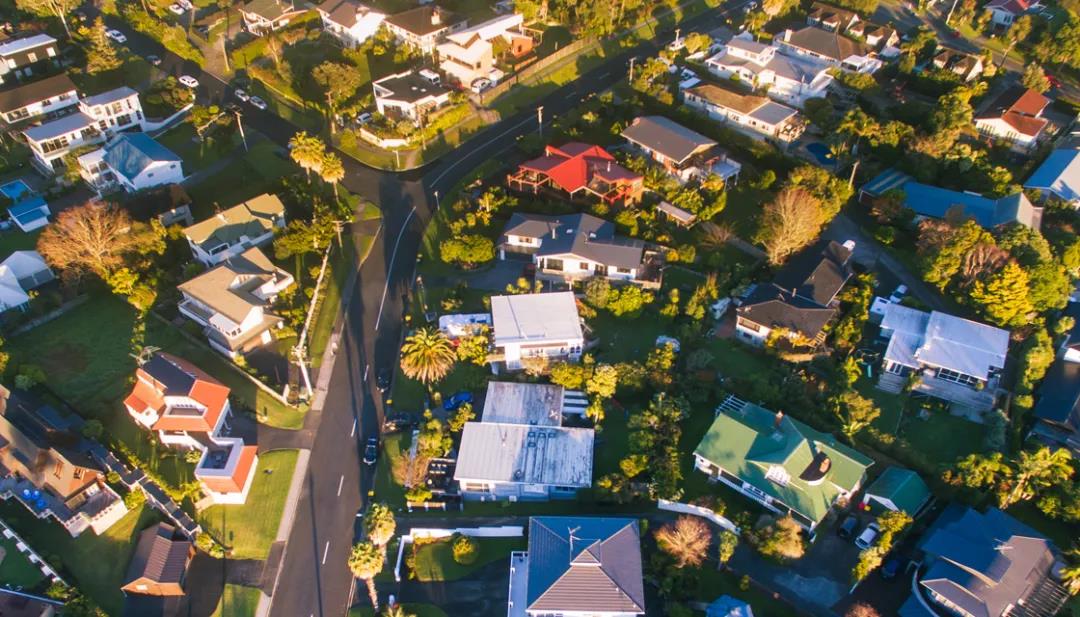
The property market continued its recent strong performance in May
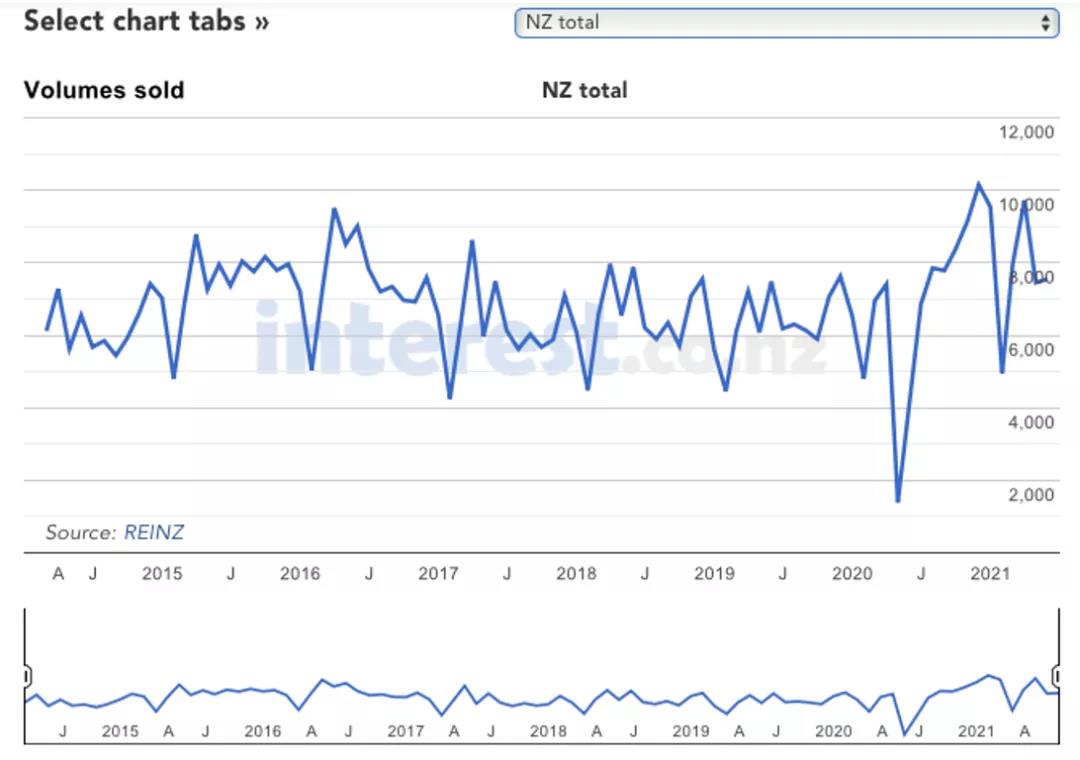
New Zealand's housing market recorded its highest sales volume in 3 years in May, while the national median sale price remained close to its record high. According to the Real Estate Institute of New Zealand (REINZ), 7,550 residential properties sold nationwide in May, the highest total for that month in three years.
The figures show that Auckland led the strong sales performance, with 2766 properties sold in month 5, the best result for that month in five years. This was an increase of 7% compared with month 4. Outside Auckland, 4784 properties sold across New Zealand in May, virtually unchanged from the 4782 sold in month 4.
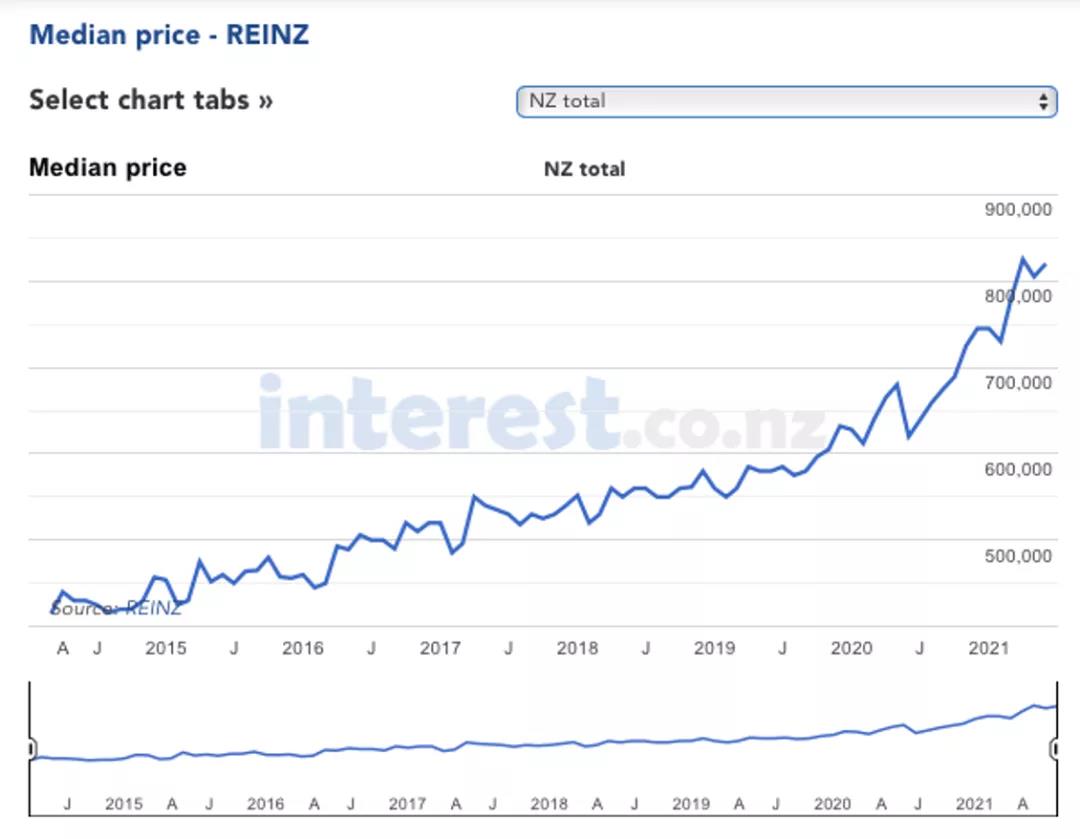
The national median house sale price rose from NZ$805,000 in April to NZ$820,000 in month 5, slightly below the NZ$825,000 median recorded in month 3. In May, Auckland's median house price reached a record NZ$1,148,000, up from NZ$1,120,000 in April.
In May, median prices also reached new records in 5 areas: Auckland's Waitakere at NZ$1,050,000 and Papakura at NZ$900,000, along with Taranaki at NZ$550,000, Tasman at NZ$850,000 and Canterbury at NZ$582,000.
Median house prices fell in just 6 regions nationwide
However, median house prices fell compared with month 4 in 6 regions: Gisborne, Hawke's Bay, Manawatu, Nelson, Marlborough and Otago.
REINZ acting chief executive Wendy Alexander said: “It is difficult to know whether prices easing in these regions reflects the new policies announced in March or New Zealand heading into winter, but it is good news for local people wanting to buy a home.”
“However, our figures show that Auckland's housing market is still moving ahead, with another record median price in May making that particularly clear,” Wendy Alexander said.
Auckland's main urban areas have now joined the million-dollar club, with only Franklin, at NZ$822,000, and Papakura, at NZ$900,000, recording median house prices below NZ$1,000,000.
Even Wendy Alexander remarked:
“Even Waitakere's median house price has passed the NZ$100 mark, reaching a record NZ$1,050,000 in month 5.”
Now let's look at how housing markets in New Zealand's outlying areas are performing
1. Palmerston North house prices rise 44% in a year
House prices in outlying areas have also performed strongly over the past year. According to new house price data from OneRoof, Whanganui and Palmerston North in the North Island have recorded remarkable increases. Prices have risen 41–44% from pre-pandemic levels. As at 10 May this year, median house prices in these areas were in the NZ$548,000–NZ$664,000 range.
Other areas recording substantial house price growth included Gisborne, up 39%; Marlborough, up 35%; Hawke's Bay, up 34%; and Wellington, up 33%.
A OneRoof market researcher said: “Although the Government announced a series of measures this year, reports from real estate agents across many regions suggest that investor activity has cooled slightly, while the overall market remains red-hot.”
Palmerston North's house prices are particularly striking. OneRoof data puts the area's median house price at NZ$664,000, an increase of 44% in a year.
A local real estate agent said: “A shortage of housing supply in Palmerston North, combined with persistently ultra-low interest rates this year, remains the main reason for the sharp price increases.”
“A new highway to Hawke's Bay is being built in the area, and a rail hub is coming to Bunnythorpe, sending Palmerston North house prices into a frenzy. A property on Stoney Creek Road recently sold for NZ$160. Suddenly, people have realised that Palmerston North is a very good place to live. All these factors have contributed to the current housing boom.”
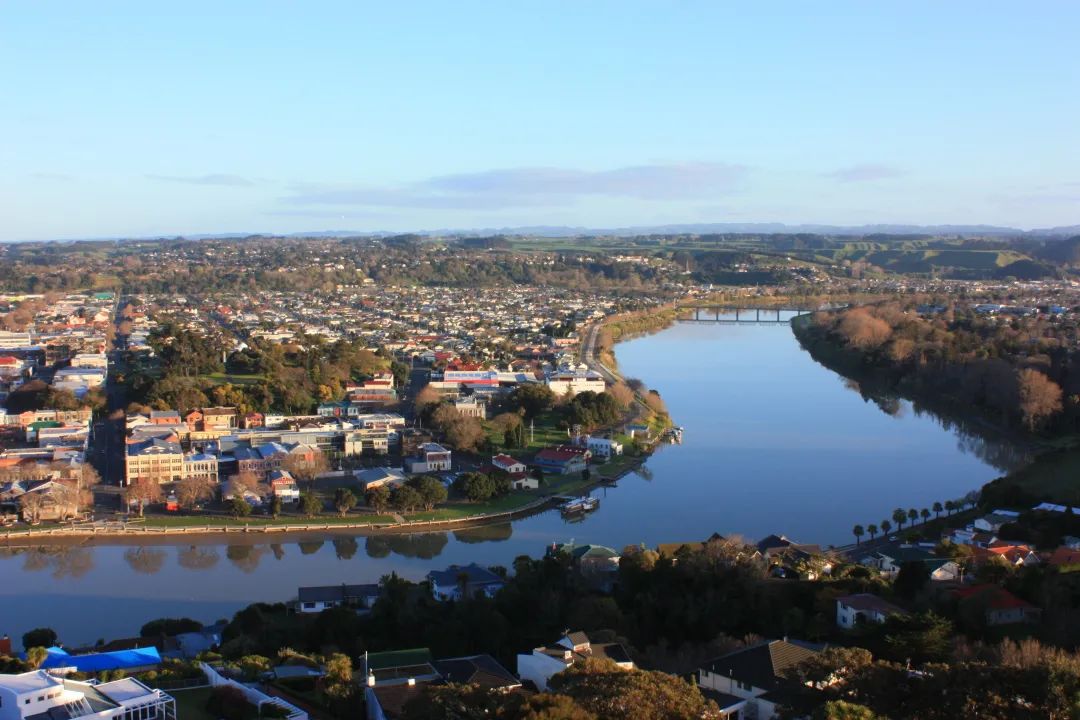
2. Whanganui house prices double
“Property scarcity is a problem, but inflation will make building more expensive. Whanganui's housing market is also very hot, and properties are currently difficult to price,” said Sue Ellis of Harcourts.
A beachfront home in Whanganui recently sold for more than NZ$100, becoming a local talking point.
Ellis said: “Whanganui's housing boom is mainly being driven by retirees from urban centres such as Auckland, Wellington and Christchurch who are making their new homes here. Another reason is that our houses are more affordable than the expensive properties in those cities. In lifestyle terms, Whanganui offers less traffic, good schools and good amenities compared with crowded metropolitan centres. The area is changing positively, and people have been paying premium prices for sea-facing properties.”
A year ago, properties like these might have sold for NZ$50, but they are now selling for NZ$100.
House prices across New Zealand, in both cities and outlying areas, have risen sharply over the past year or so, particularly as people's living arrangements and lifestyles change. Many scenic places suited to retirement or holidays have seen even more remarkable increases. Since the pandemic began, areas such as Whanganui and Palmerston North have recorded greater price growth than major cities such as Auckland and Wellington.