$6,252,000 stuns the auction room! No winter slowdown: insider home-buying tips you will not want to miss!
Winter is usually the quiet season for New Zealand's property market, with prices and sales volumes often falling. It is widely considered a buyer's market: sellers who ultimately choose to sell in winter often have a reason to sell urgently, giving buyers the prospect of an attractively low price.
Winter is usually the quiet season for New Zealand's property market, with prices and sales volumes often falling. It is widely considered a buyer's market: sellers who ultimately choose to sell in winter often have a reason to sell urgently, giving buyers the prospect of an attractively low price.
However, the winter of 2021 has been unusual.
The July market report from New Zealand's largest real estate agency, Barfoot & Thompson, shows no sign of home sales slowing this winter, with sale prices generally commanding a premium:
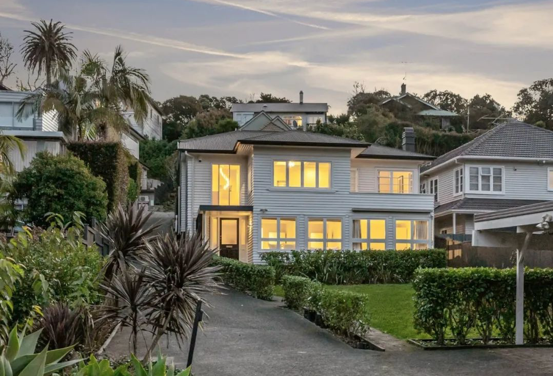
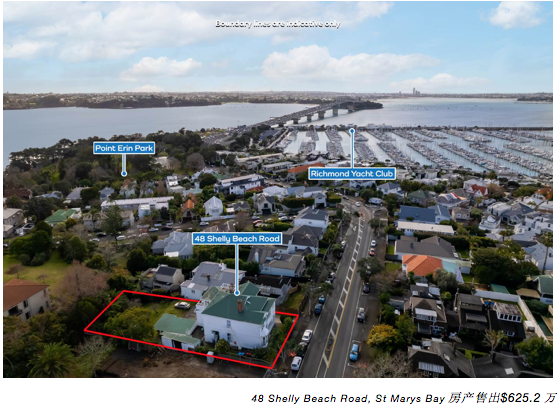
On 3 August, a property in St Mary's Bay, one of Auckland's most expensive neighbourhoods, sold for a remarkable $6,252,000, exceeding its CV by $1,355,000. The 1034-square-metre site is zoned Mixed Housing Urban.
On 2 August, a 4-bedroom home on 707 square metres in central Auckland's Double Grammar Zone, zoned Mixed Housing Suburban, sold at auction for $3,800,000, exceeding its CV by $1,450,000.
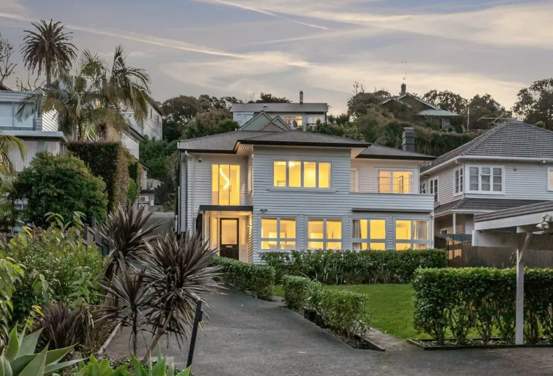
22 Standen Ave Auction sale: sold for $3,800,000
On 14 July, an Epsom property with 5 bedrooms and 3 bathrooms fetched an impressive $7,660,000 at auction! The property is zoned Residential–Single House, occupying 1363 square metres. Its CV was $3,650,000, with the auction price commanding a 210% premium over CV!
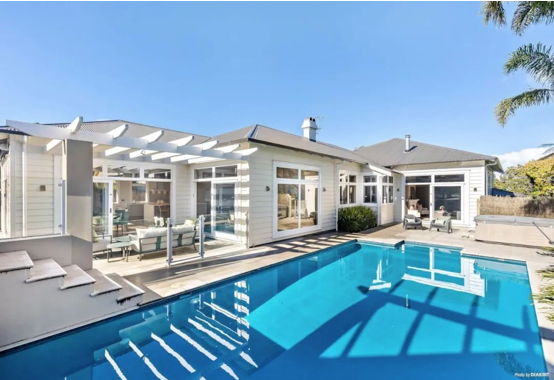
8 Pukenui Road, Epsom Auction sale: sold for $7,660,000
The figures and examples do not lie.
Why is the quiet season no longer quiet? Alongside strong buyer demand, the substantial advantages unique to winter home-buying are an important reason people are becoming keen to buy during this so-called quiet season—
- Defects are more obvious in winter, making pitfalls easier to avoid:
Generally, mornings are the best time of day for viewing a home, and winter is the best season. Compared with dry, sunny summer conditions, more extreme winter weather exposes defects more clearly. Buyers can get a more direct sense of dampness, natural light, heating and drainage capacity, minimising the likelihood of buying a problematic home.
Tips for winter viewings: what knowledgeable buyers check
- Check natural light
The importance of natural light needs little explanation. A well-designed home is warm in winter, cool in summer and gets plenty of light, but not all buyers know how to assess its natural lighting.
Winter is the best season for judging whether a home gets good natural light. As winter arrives, daylight hours shorten and the sun sits lower. If the home gets good light then, its natural lighting should certainly be fine in other seasons.
- Check ventilation
Good natural ventilation keeps indoor air fresh and reduces the build-up of germs. Households generally keep doors and windows shut in winter. If ventilation meets expectations under those conditions, there should be little need for concern in other seasons. Viewing on a windy winter day is an effective way to test ventilation.
- Check draughtproofing
As well as checking ventilation, you can test how well the home is sealed.
Close all doors and windows, then check whether the indoor temperature recovers quickly and whether air leaks through gaps around windows and doors. Homes that prioritise ventilation without adequate sealing generally struggle to deliver the expected heating or cooling performance. This problem is easier to detect in winter.
- Check insulation
Winter is a good time to test the effectiveness of external wall insulation. If wall insulation is poor, frost can readily form in the corners. Winter buyers can therefore inspect these corners to assess the building's insulation quality.
- Check drainage
Winter brings persistent rain. If the home you like has numerous skylights, terraces or bay windows, make sure you view it in winter, as these three features are particularly prone to leaks.
- Check for dampness
Touch the walls during a viewing. If they feel icy, the home may have a dampness problem. Some homes are built in a rush, with wall finishes applied before moisture inside the walls has evaporated. This traps moisture, leading to condensation or mould. Pay particular attention to this in homes near hillsides or on the top floor.
- Check property management
Autumn and winter bring fallen leaves everywhere, and snowy winter days in particular offer a good opportunity to assess property management services in medium- and high-density housing. Choosing a good property management company helps safeguard your future living environment and improves your quality of life.
- Arrange moving and renovations at your own pace and enjoy off-season discounts:
Spring and summer, the busy seasons for property, are generally also peak periods for decorating, appliance installation and moving services. Many good companies need to be booked a month or more ahead, and furniture selected in a showroom may take several months to arrive. In winter, this “near-peak season”, supporting services are easier to arrange, and furniture and appliances are more readily available from stock or with only a short wait.
People are also more inclined to stay home in winter. Retailers face their own quiet season and offer promotions and discounts to encourage spending, making it cheaper to buy new furniture and appliances then.
{ad}
- Get more professional help with viewing and choosing a home
Buying or selling in winter, when the market moves relatively slowly, is also a good opportunity to get more professional assistance. There is a wider choice of excellent real estate agents, and agents generally have fewer clients at this time, giving them more time to focus on your needs.
With a professional real estate agent's support, the dream of buying a dependable home at a reasonable price can become a reality.
Barfoot & Thompson is the real estate agency that knows Auckland best.
In Auckland, 1/3 of home sales are through Barfoot & Thompson,
far ahead of every other real estate agency.