What responsibilities and obligations do employers have under Alert Level 4 lockdown?
Yesterday, New Zealand Prime Minister Jacinda Ardern announced that Auckland’s Alert Level 4 lockdown would be extended by at least a week. With the outbreak yet to peak, there is no prospect of Auckland leaving lockdown early.
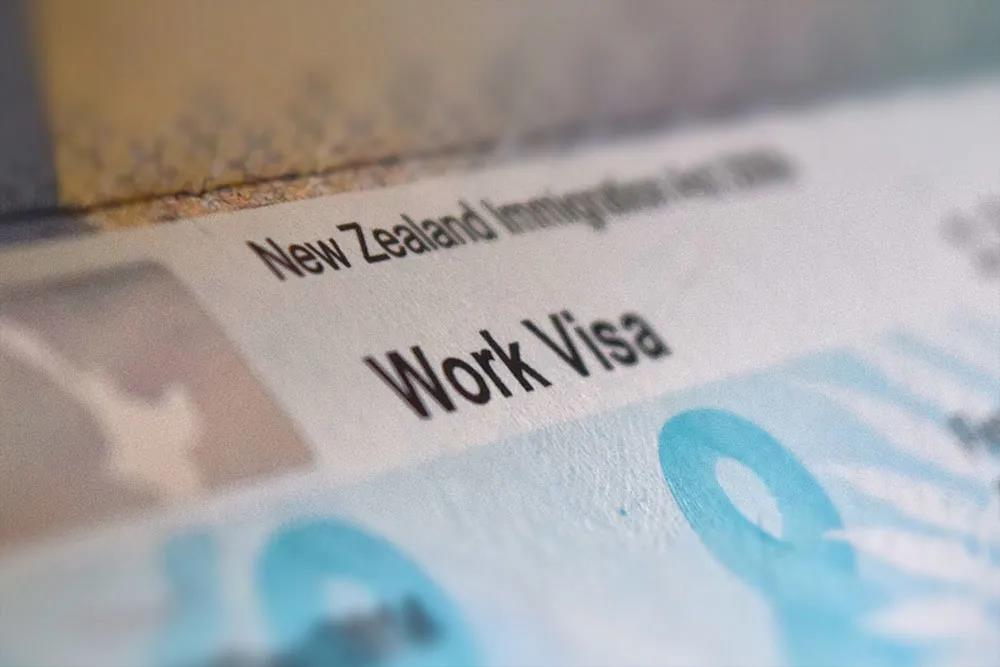
This is a major blow to businesses run by Auckland employers. Judging by the outbreak’s current trajectory, an early end to lockdown is out of the question, and an extension of Alert Level 4 restrictions looks more likely. Alert Level 4 means the vast majority of businesses cannot operate normally. What obligations do employers have in these circumstances? And where can employees facing employment issues seek the most authoritative advice?
To answer these questions, we urgently contacted Sonny, a lawyer at Queen City Law, for advice during the outbreak.
{ad}
Q1: Hello, Sonny, under Alert Level 4, how can employees work if their employer is not an essential business and cannot continue operating?
Sonny Lawyer: If employees can work remotely from home, the business can operate that way and maintain normal operations. Employees should therefore work from home on full pay as usual: employment agreements remain valid even under the highest lockdown alert level. If employees cannot work, employers and employees need to consider changes to their employment agreements and try to reach an agreement. The key is whether the employer demonstrates good faith. Both parties should act sincerely in trying to find a workable solution. The Government also allows business owners who meet specific conditions to apply for a wage subsidy to cover all or part of their employees’ pay. One condition worth noting is that businesses applying for the subsidy must declare that they will make their best efforts to pay affected employees at least 80% of their normal wages.
Q2: Can business owners require employees to use paid annual leave to get through Alert Level 4 lockdown?
Sonny Lawyer: Employers can discuss taking annual leave with employees. This is possible if the employee agrees. If no agreement is reached, however, employers cannot force employees to take annual leave, with an exception:
- An employer may direct an employee to take annual leave only if they cannot agree on when it should be taken and the employer gives at least 14 days’ notice. This also depends on whether the employee has sufficient annual leave available.
Q3: Can employees take sick leave during the outbreak?
Sonny Lawyer: The Government has announced COVID-19 paid leave for the following categories of employees:
- Those who need to self-isolate, those unable to work because they have COVID-19, and those who need to care for a dependent family member who has COVID-19 and is self-isolating. The paid sick leave period is 14 days. Eligibility criteria and detailed information about COVID-19 paid sick leave can be found under COVID-19 employer support. Employers cannot require employees to take sick leave. If an employee or a family member is ill and the employee wishes to use sick leave, they may do so with their employer’s agreement. https://covid19.govt.nz/business-and-money/financial-support/financial-support-for-businesses/
Q4: Can a business make employees redundant if there is no work for them to do from home?
Sonny Lawyer: Employers can use the Government’s wage subsidy, paid leave and other government assistance programmes to obtain the short-term support their businesses need and avoid redundancies. Some businesses may also be able to offer alternative roles to employees working from home. In the worst case, employees unable to work would remain employed on unpaid leave. Employers must, of course, demonstrate sufficient good faith and fulfil their obligations when consulting employees. There is another complication: if an employment agreement specifies minimum weekly working hours, the employer cannot change these unilaterally. The existing employment agreement remains legally protected!
Q5: If a business’s financial difficulties lead to reduced hours for employees on work visas, or even restructuring and redundancies, will this affect the work visas of the employees it sponsors?
Sonny Lawyer: That is a very good question. Employers or employees facing similar issues should contact me as soon as possible. This cannot be answered with a simple yes or no. As lockdown continues and some businesses adjust their operations, I believe many people may have to confront this issue, with implications for employer-sponsored work visas. We need to analyse your individual circumstances and find the best way to resolve the matter with Immigration New Zealand.
Q6: How can employees get the best help if they experience unfair treatment in their employment relationship during lockdown?
Sonny Lawyer: When employment disputes arise during the outbreak, employers and employees should sit down and discuss them amicably. If they cannot reach agreement, they should seek help from the Employment Relations Authority for mediation by video conference. This is a free service. If the dispute escalates, they can consider seeking further advice from a specialist lawyer.
We urge employers and employees to show as much understanding and support for one another as possible during this pandemic, overcome the immediate difficulties and work together to minimise the losses caused by lockdown. When handling employment disputes, please act with the utmost good faith and seek the best way to resolve the problem. Have further questions? Contact Sonny at Queen City Law for help with employment matters and any difficult issues or disputes arising in business operations.
About the expert
Sonny Lam
With 15 years of litigation experience and a background as an Immigration New Zealand immigration officer, he currently practises as an immigration lawyer at Queen City Law.
After leaving Immigration New Zealand in 2015, he began focusing on immigration law, offering informed, practical advice on immigration and employment law issues from the perspectives of both applicants and the immigration officers assessing their cases.
Scan the code to enquire for more information.