
Peter Thompson: The best time to buy a home is now.
At the start of the year, Barfoot & Thompson Managing Director Peter Thompson predicted: “The market will return strongly in January.”

Now that well over half of 2021 has passed, how did Auckland’s housing market perform in the first half of 2021? And what might the second half bring? Peter Thompson offered attendees a review and outlook at the 2021 NZIBES seminar.
{ad}
- First-half review: Exceptional sales activity as apartment living gains popularity
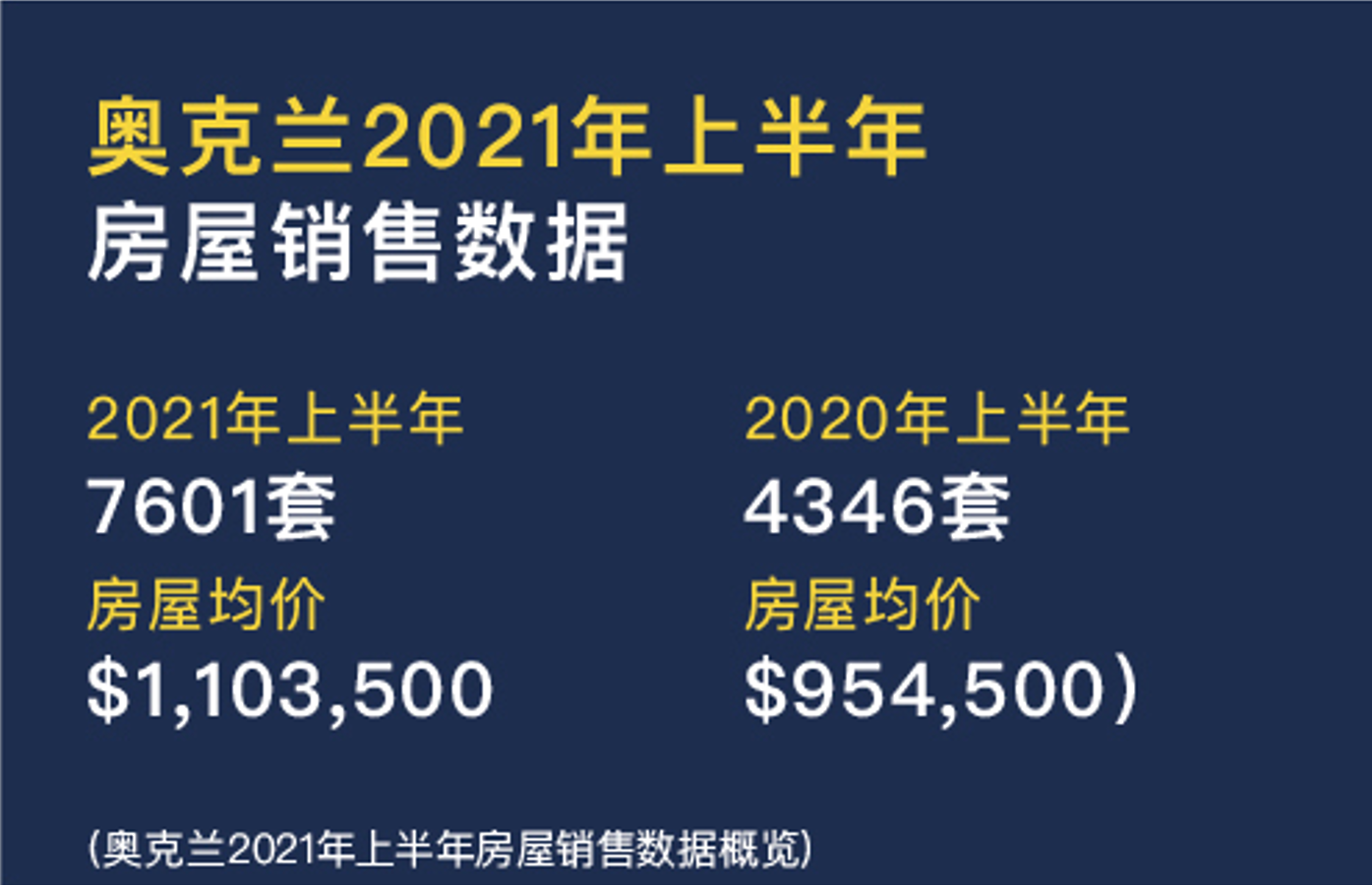
The property market in the first half of 2021 built on strong growth at the end of 2020. Barfoot & Thompson sold 7601 homes in the first half, compared with 4346 in the same period of 2020. The average Auckland house sale price over the first six months was NZ$1,103,500, compared with NZ$954,500 in the same period of 2020 — an increase of 15.6%.
These results came as no surprise. Peter’s forecasts in Barfoot & Thompson’s monthly reports were consistently positive:
“This January was our busiest January in 17 years.” An important factor behind the high sales volume was the number of new listings in January, which far exceeded previous years’ levels for the month. At 1378, new listings reached an eight-year high.
“Sales in February reached 1124 homes, the highest February total in 17 years. In terms of both volume and prices, February sales activity was exceptional.” More than half of the homes sold in February fetched over NZ$1,000,000. Last year, homes selling for more than NZ$1,000,000 accounted for an average of around 40% of monthly sales.
“In terms of both house prices and sales volume, this March delivered the strongest results in our company’s history.” The exceptional sales volume in March was driven by 2138 new listings, the highest figure for the month in 15 years and around a quarter above previous years’ levels. The large number of new listings gave buyers more choice than they had a few months earlier, accelerating sales activity.
“April delivered excellent results, with a modest rise in prices, strong sales volumes and a solid number of new listings.” Demand for high-end property remained strong, with 113 sales above NZ$2,000,000, accounting for 10.2% of all sales. Rural and lifestyle property sales exceeded NZ$100,000,000 for the second consecutive month.
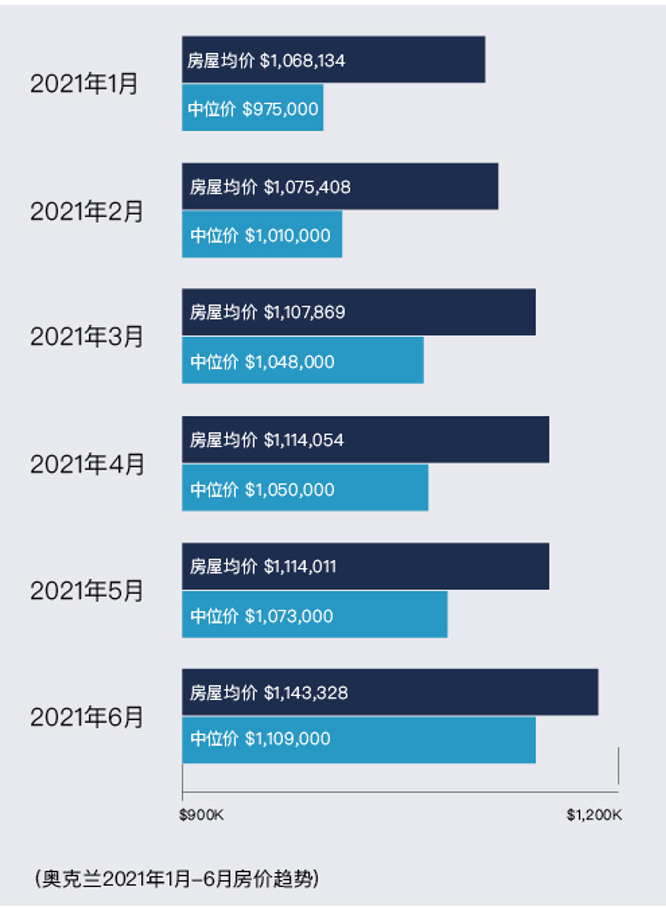
Auckland house sales figures for May showed that the new housing policies announced in March had affected neither house prices nor sales volumes. “May results remained excellent, with a modest rise in the median price, an average price unchanged from April, and the highest sales volume for the month in four years. The market has overcome the impact of recent policy changes and continues to trade confidently.”
“Sales volumes usually begin to ease slightly in June, but this year we sold 1243 homes, up 3.8% on the previous month, with both the average and median sale prices higher than in May.” It is fair to say that the arrival of winter and new government rules intended to make property purchases less attractive to investors dampened neither house prices nor Auckland’s house sales volume in June.
Discussing market trends in the first half of 2021, Peter noted: “From the middle to the end of 2020, apartments were not a particularly popular choice. Now, apartment living is seen as another option for first-home buyers, and medium-sized apartment buildings are starting to appear in the suburbs. Green space and wellbeing are becoming important considerations in apartment building design. A study is also becoming a more common requirement, particularly in situations such as lockdowns, allowing residents to work in a more private space without having to squeeze into the apartment’s lounge or bedroom.”
Alongside the growing popularity of apartments, buyers’ demand for high-end homes continued to strengthen. In June alone this year, 120 homes sold for more than NZ$2,000,000. Last year, Barfoot & Thompson sold a monthly average of 61 homes above NZ$2,000,000, with December the only month to exceed this year’s June total.
The rural and lifestyle property market attracted strong buyer interest, but a shortage of new listings constrained further sales growth. Buyers currently outnumber sellers in this market.
Bare land zoned residential, or with potential for future rezoning, attracted particular buyer interest.
Second-half outlook: House prices will continue to rise, and the best time to enter the market is “now”
Peter was highly optimistic about the market outlook for the second half of 2021: “The second half of this year will maintain the same pace of growth as the first six months. Unlike last year, virtual auction viewing and online bidding have been introduced, so even another lockdown is unlikely to have much impact on house sales. Sale prices will continue to rise, although at a different pace from previous years. I expect growth of 5%–7% this year.”
Peter believes spring will bring a fresh wave of sales. “In the first three or four weeks after lockdown ends, viewings and sales activity may be relatively busy before gradually returning to normal. From October to December, we always see house sales rise as the weather improves and the school year ends. Many families also move for job opportunities in the year ahead.”
“Many people ask me when the best time is to enter the market. Now — this is the best time. All the indicators suggest house prices will continue to rise for at least the next 12–18 months.” Peter said his view was based on many years of Barfoot & Thompson sales data.
Looking back at Barfoot & Thompson’s figures from 1961 to 2020, house prices fell only 6 times over those 60 years: in 1963, 1971, 1991, 1992, 1999 and 2009. The largest fall was 8.5% in 1963, while the longest downturn lasted 3 years, from 2009 to 2011.
In other words, if you own a home and are unsure whether prices will rise or fall at a particular point, consider how long you have owned it. If you have reached the average home ownership period of 7 years cited by REINZ, your sale price will be higher than your purchase price.
Two other factors provide a buffer against a sharp fall in house prices.
Although home construction has been at record levels in recent years and may remain so, data analysis suggests it will take ten years for housing supply to catch up with demand.
Second, the 5-year interest rates offered by the major commercial banks indicate that they do not expect mortgage rates to reach 4.5% before 2026.
Buying a home is certainly not risk-free, and there is no rule that something cannot happen in future simply because it has not happened before. However, for buyers with stable employment who can afford mortgage repayments at interest rates slightly above current levels, buying at today’s prices carries no greater risk than previous generations took when buying homes over past decades.