
Average delays of 37 days and extra costs of NZ$9w+: is he the only one who can cure building consent delays?
Lake Road Lofts, a development of 8 concrete townhouses in Takapuna on Auckland’s North Shore, caused a stir in the industry by securing building consent (Building Consent, BC) in just 10 days.

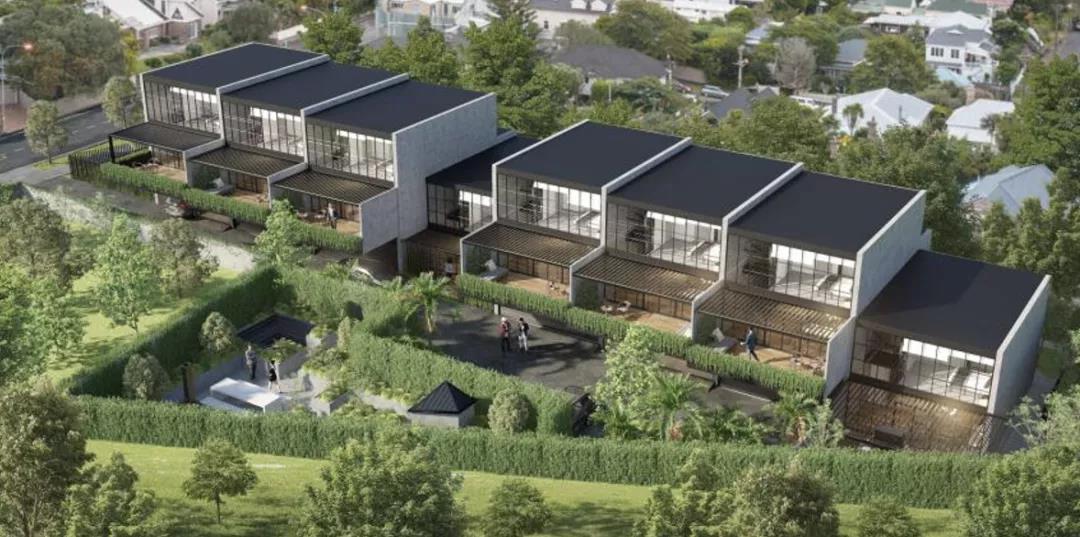
Lake Road Lofts, a development of 8 concrete townhouses in Takapuna on Auckland’s North Shore, caused a stir in the industry by securing building consent (Building Consent, BC) in just 10 days.
How much of a stir?
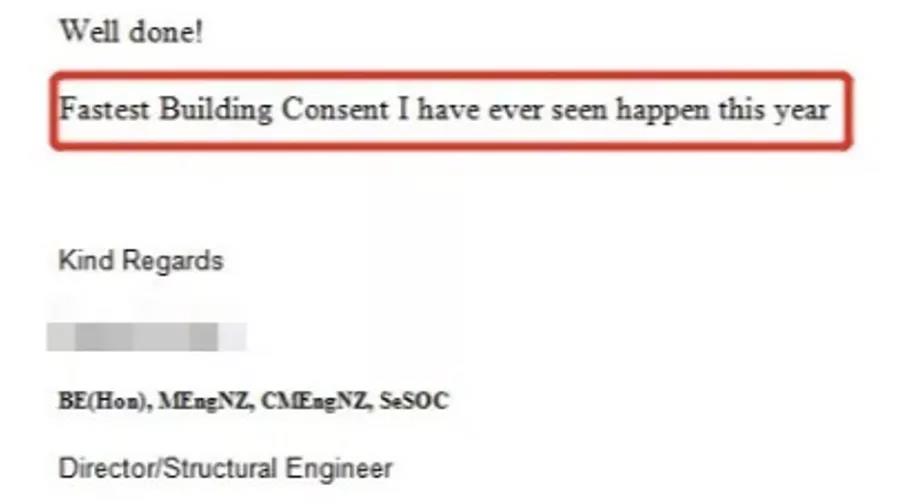
Even the director engineer at established local building consultancy FC International remarked in an email: “This is the fastest building consent approval I’ve seen this year!”
How fast was it?
The comparison is startling. Lake Road Lofts took 10 days, while the official processing standard for BC applications is 20 days, and the current average approval time is 57 days…
Official delays have severely hampered construction schedules and even threatened many companies’ operations. The inability to start construction on time creates a series of problems involving building material supplies, labour and lending, adding NZ$90,000 to construction holding costs—an unbearable burden for small and medium-sized developers.
Just how unbearable?
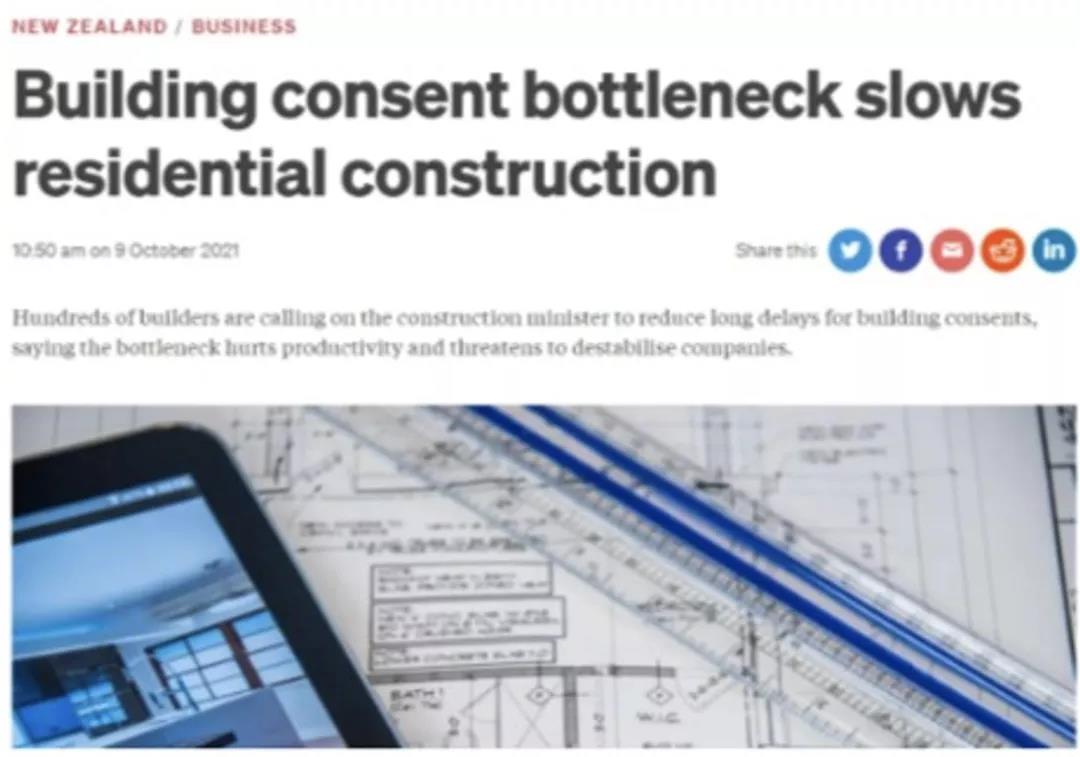
670 builders unable to bear the burden even jointly signed a letter, submitted by New Zealand’s Combined Building Supplies cooperative (CBS) to the ministers responsible for building, housing and local government. They argued that BC application delays were undermining industry stability and called for urgent government intervention in councils’ BC processing. The story topped the business pages of major New Zealand media outlets, showing just how widespread and entrenched the problem has become.
At this point, we are wondering exactly what you probably are: what secret advantage did Lake Road Lofts have?
After all, immediately after receiving building consent, the project launched off-the-plan sales starting at $2,545,000 per townhouse, tapping into the red-hot housing market. With one townhouse selling quickly, the sales outlook was looking very bright.
What kind of proposal could secure building consent in 10 days after just one round of council questions? What preparation went into the application? YIJU interviewed HCD architectural designer Paul Huang, the project director, to share his successful approach with readers preparing their own BC applications:

Paul Huang
Paul holds a Bachelor of Architecture from Harbin Institute of Technology and a Master of Architecture from the University of Auckland, and has nearly 20 years of design experience. He has worked on more than 500 commercial, residential and public-sector projects of varying sizes and complexity, including luxury homes, boutique hotels, high-end apartments, offices, prominent retirement villages and healthcare centres. His designs typically blend Eastern and Western cultures, with an emphasis on creativity and presence, making him one of New Zealand’s accomplished architectural designers. Click to read the interview with Paul Huang.
YIJU: Could you start by telling readers more about Lake Road Lofts?
Paul:Lake Road Lofts consists of 8 buildings, each 3 storeys high and built with precast concrete panels. Generally, projects like this offer very attractive market returns, but they are correspondingly more difficult to develop.
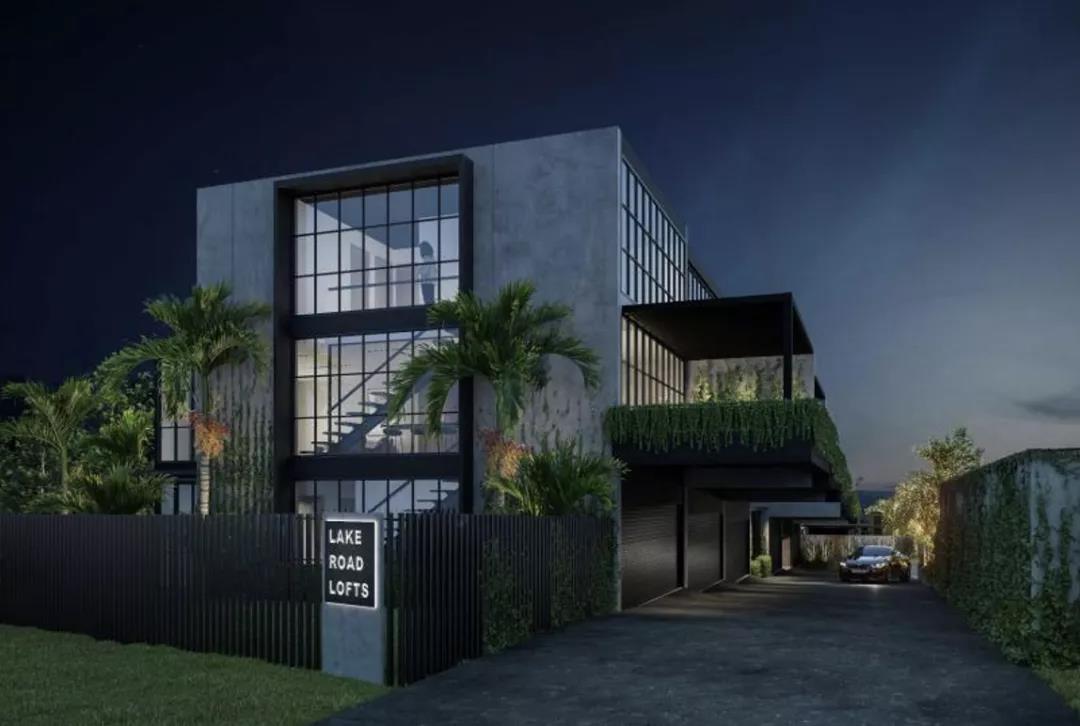
For example, using concrete for the main structure makes the project challenging from the resource consent (RC) and BC application stages onwards. The council’s approval process and scrutiny are equivalent to those for a commercial project, with substantially higher approval standards than for conventional timber-framed homes. Assessments require extremely precise building material specifications. Even a minor discrepancy can affect approval times and subsequent construction schedules, with implications for the entire development.
YIJU: What preparation is particularly important before applying?
Paul:Two principles are essential: sound planning and meticulous checking. For Lake Road Lofts, we carefully chose our approval approach during planning, using the Producer Statement (PS) 1+2 method. This involved a structural designer preparing the drawings (PS1), followed by an independent senior industry engineer undertaking the PS2 review and issuing a review report (PS2). This removed the need for a council engineer’s review and reduced the approval steps.
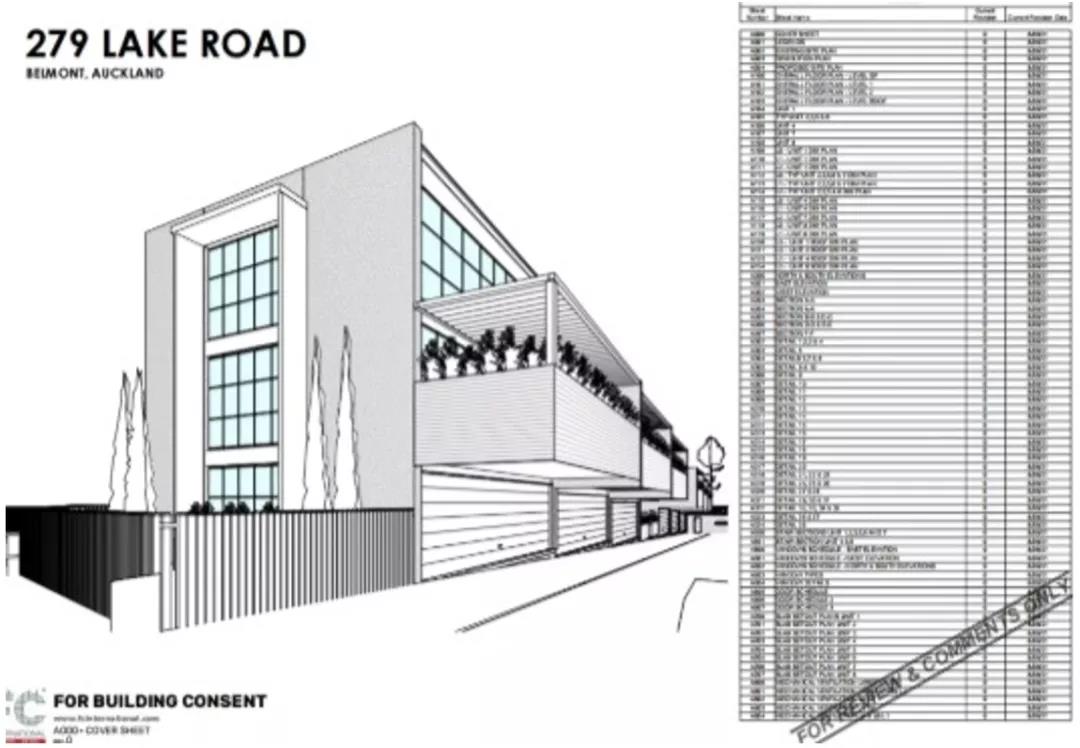
Sound planning also means the project supervisor must break the whole project down early and coordinate each discipline’s preparation before submission. In particular, the architectural, structural, fire protection, and water supply and drainage disciplines need to cross-check their work and compare data to ensure smooth coordination without conflicts.
Alongside those cross-checks, meticulous checking means thoroughly reviewing every aspect of the drawings before submitting the application documents to the council, ensuring all data is correct. Key designs and the presentation of data, in particular, should be as close to perfect as possible to minimise the likelihood of council questions and avoid rework.
YIJU: How did the Lake Road Lofts application process unfold?
Paul:Applying for BC requires focus and attention to detail, but it also tests professional expertise and experience. With time crucial to reaching the market, my team and I maintained an intensive workload almost from the moment we received the project drawings. During cross-checking, we identified several significant issues involving structural data and a discrepancy between a building material’s grade and the thermal insulation requirements. We also corrected several minor calculation errors.
The application process went relatively smoothly. We formally submitted the BC application on 5 September. On 8 September, the council emailed with questions about two data points, and we responded as quickly as possible. After another weekend, we received the approval email on 14 September. The whole application took 10 days, including 3 non-working days (laughs).
The heads of the companies involved in the project were all pleasantly surprised by the news. Everyone knew the council was facing an enormous volume of applications. If problems arose during the BC approval process, the time needed for further communication, amendments and reassessment could be impossible to predict. A poor start would slow the entire development, affecting material supplies, labour costs and the launch of off-the-plan sales.
For the HCD team, however, this was expected. Since its establishment in 2007, HCD has completed more than 500 design and construction projects, building extensive experience. With sound planning and meticulous checking, a quick approval follows naturally.
YIJU: As an influential local building consultancy and developer, what qualities was FCI looking for when it invited HCD to undertake the development’s design work?
Paul:I believe FCI invited me to lead the project’s design because of the particular nature of 279 Lake Road Lofts: its 3-storey precast concrete panel buildings face the same approval requirements as commercial projects. HCD happens to have a number of notable projects in this field, some of which have become local landmarks. Examples include:
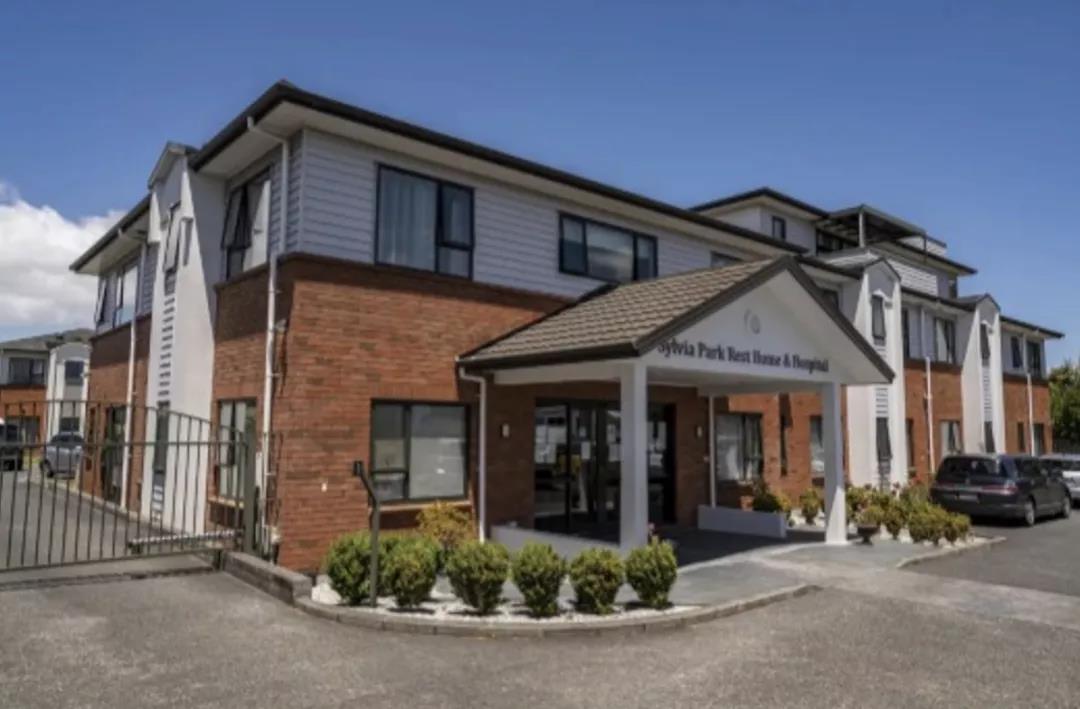
Sylvia Park Hospital Community hospital
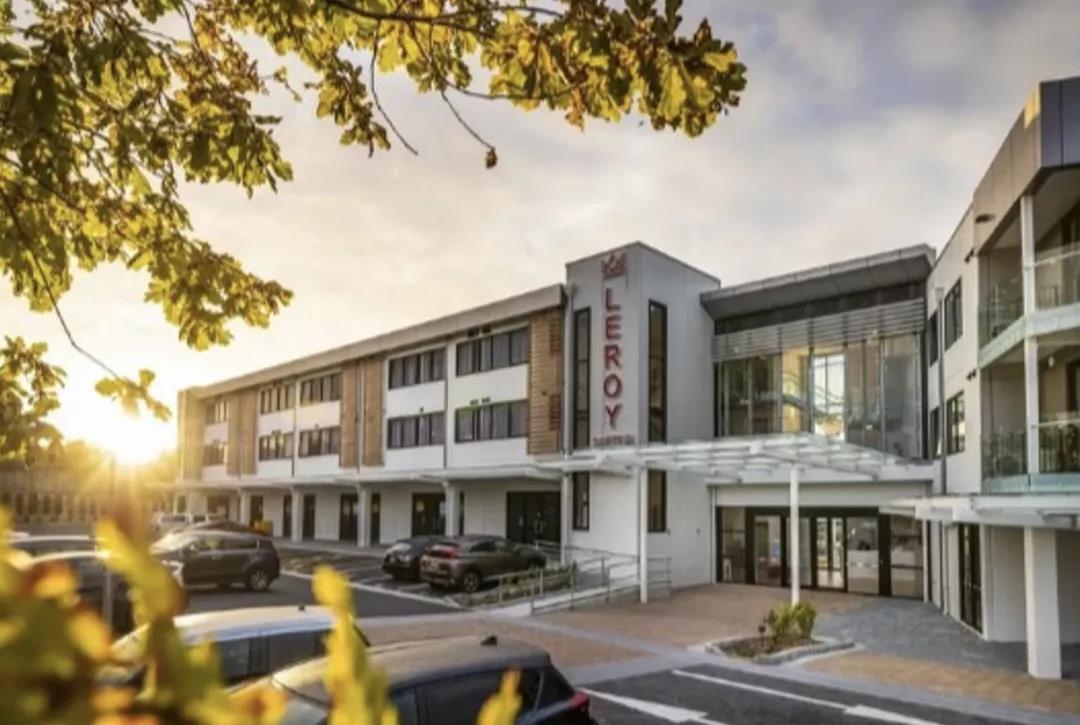
Leroy Suites Albany 4.5-star hotel
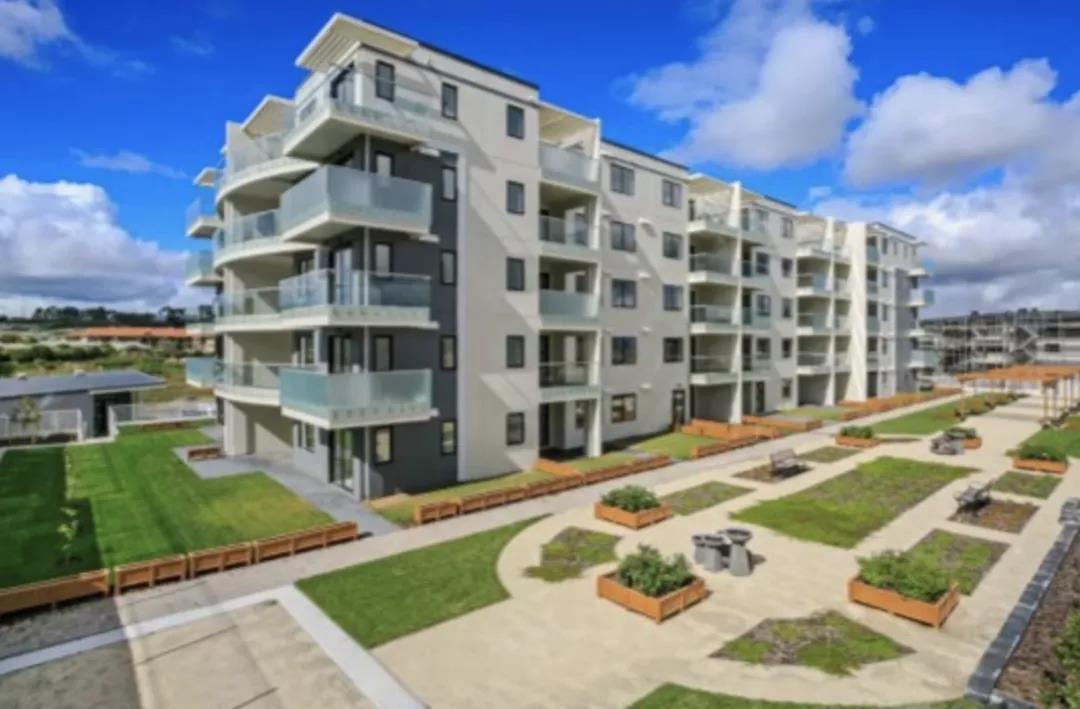
Apollo square apartment Large apartment development on the North Shore
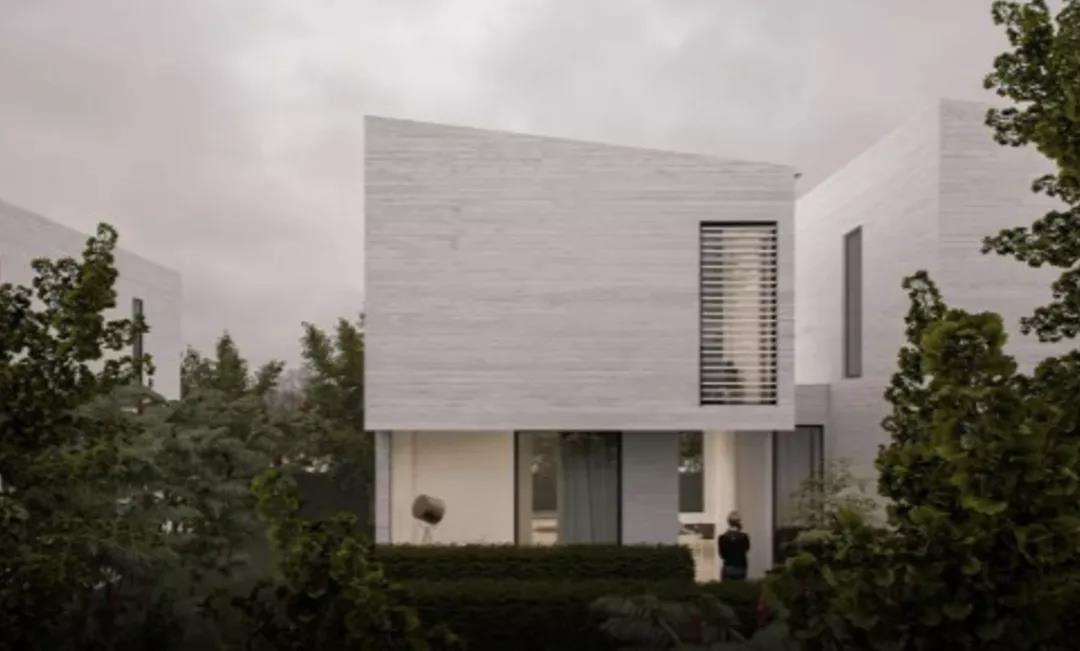
48A AMBLER AVE,GLEN EDEN Contemporary-style house
HCD’s longstanding commitment to attention to detail, prompt responses and quality has helped these projects progress smoothly through design, approval and development, earning industry recognition.
YIJU: Recent news reported that hundreds of builders had jointly asked the government to change the BC approval process. What would you recommend?
Paul:The strength of the development market is plain to see. Demand-driven application volumes will not decline in the short term, so slow approval times are likely to persist for a while.
The best approach is to ensure the project’s design drawings are clear and comprehensive, with detailed, reliable data, before submitting them for approval. Of course, getting approval in 10 days also takes a little luck (laughs). I hope everyone’s BC applications go smoothly. Thank you.