
Lixing’s property picks: does residential or commercial property investment currently offer the highest returns?
After YIJU New Zealand published an article titled “Is now the best time to invest in commercial property? (Click to read)” on 3 November, many readers contacted us with concerns: “Given the severe shortages of building materials and construction workers, we worry that taking on a new residential development would dramatically increase our investment risk, potentially leaving the project abandoned and all our money lost.” Against this backdrop, they hope to learn more about commercial property investment through YIJU.
As an experienced Auckland property investor, Liang Lixing has long been involved in investing in and managing local commercial properties. He believes buying commercial property can be a sound investment, or a highly effective way for investors to secure the best location for their own businesses. However, commercial property investment is more complex than residential investment and involves more factors, which deters many ordinary investors from entering the market. In this edition of Lixing’s property picks, we speak again with experienced investor Liang Lixing to explore the differences between commercial and residential investment.
{ad}
Q: Hello, Mr Liang. As an experienced commercial property investor and manager in Auckland, could you explain the key factors our readers must consider when buying a commercial investment property?
Lixing: Commercial and residential property investment require very different approaches. You cannot approach commercial investment with the same mindset and reasoning you would use when buying residential property. We can explain this through the following aspects:
1
Types of commercial property
There is a wide range of commercial property available, including office space, from a single floor to an entire office building; light industrial premises, such as showrooms with small warehouses; heavy industrial premises; retail premises; hotels and motels; and new land developments.
2
Different forms of property ownership
When investing, you must also consider how to purchase and hold the title to the commercial property. Investors can buy as individuals, sole traders or joint ventures, through a company or through a trust.
3
Investment budget
It is essential to establish your commercial property budget at the outset. You certainly do not want to buy beyond your price range and later have to sell because you lack funds. When planning your initial budget, consider any additional expenses associated with the purchase. For example, you may need to pay for repairs, inspections and renovations to keep the property suitable for business activities. These costs should be included in your budget. Beyond the advertised sale price, you also need to consider the cost of goods and services tax (GST), prepare annual financial statements and regularly invoice tenants. You should also calculate the return on investment: how long will it take to recover your costs? If your company needs to move into the property, how long will it take to end the previous tenant’s lease and start operating your business? If you intend to hold it as an investment, will the existing tenant accept your proposed rent increase, or how long might it take to find a new tenant who will move in and start paying rent? These are among the questions you need to consider.
4
Finance approval
Ideally, you should establish how you will fund this substantial purchase before signing any agreement. You may need a bank loan. Banks generally apply stricter approval criteria to commercial investment loans than to residential property loans, so they may require a substantial deposit to safeguard the lending.
If you are seriously considering commercial property investment, I recommend obtaining bank pre-approval first and making finance approval a condition of any purchase agreement.
5
Building and LIM reports
Once you find a commercial property that interests you, carefully review two important documents: the building report and the Land Information Memorandum, or LIM.
Building report: Ideally, engage an independent, experienced inspection provider to thoroughly examine the property you are considering and provide a written building report. This will detail the property’s structure and condition and alert you to any issues that could result in expensive repairs.
Land Information Memorandum: A LIM is a written report detailing the local authority’s historical information about the commercial property you want to buy. It typically covers special land features, such as potential erosion, landslips or hazardous substances that could affect the property’s value and capital growth potential; permitted commercial uses, as some activities may be prohibited; stormwater and sewer drainage; records of unpaid charges; documents affecting the property’s use, such as consents, notices or requisitions; relevant district planning provisions; and other information supplied by utility network operators.
6
Insurance
When considering a specific property, it is time to find an experienced insurance broker to assess its insurance requirements. What can be insured? What types of cover do you need?
7
Tenants
If the property has existing tenants, it is best to review the lease. Examine key terms, such as the lease duration and renewal rights and conditions. Confirm whether there are any other arrangements between the tenant and current owner, including verbal agreements. Check the tenant’s credit and references from previous landlords to assess their reliability and ability to continue meeting their lease obligations.
Q: Could you give us some examples of promising properties currently on the market?
Lixing: Certainly. I have recently been following two commercial listings: 140-144 Apirana Ave, Glen Innes, and 109 Valley Road, Mt Eden. Let me outline them:
1
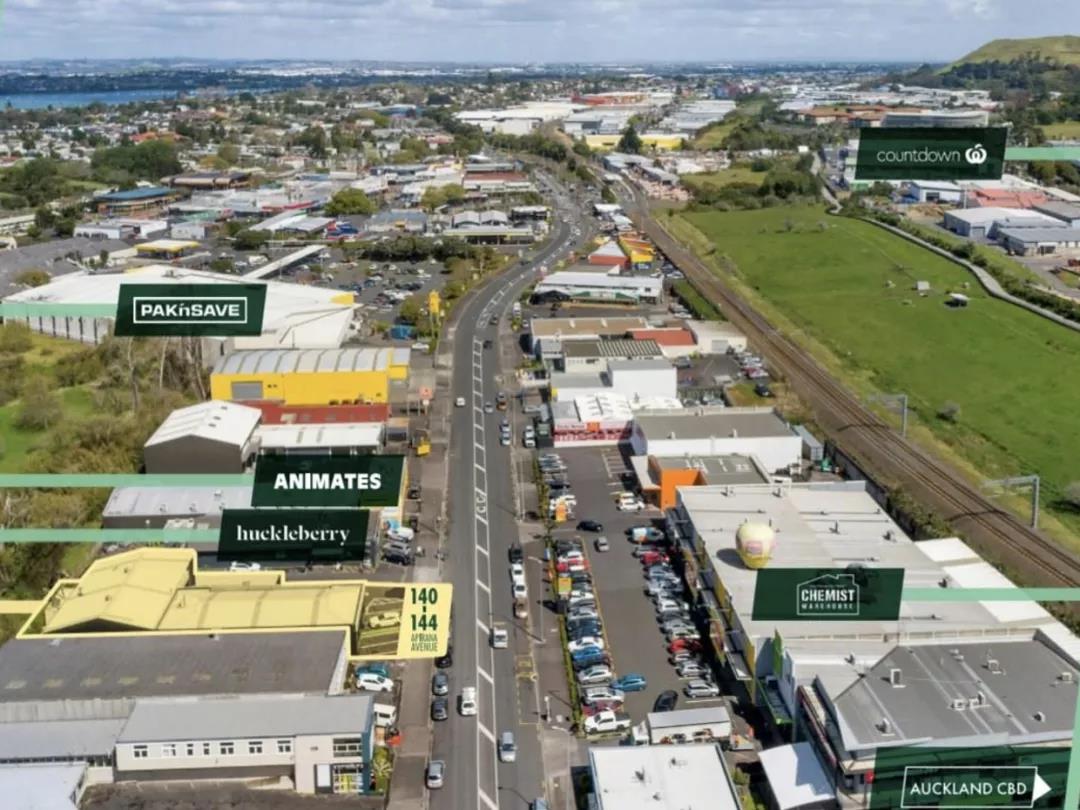
140-144 Apirana Ave,Glen Innes
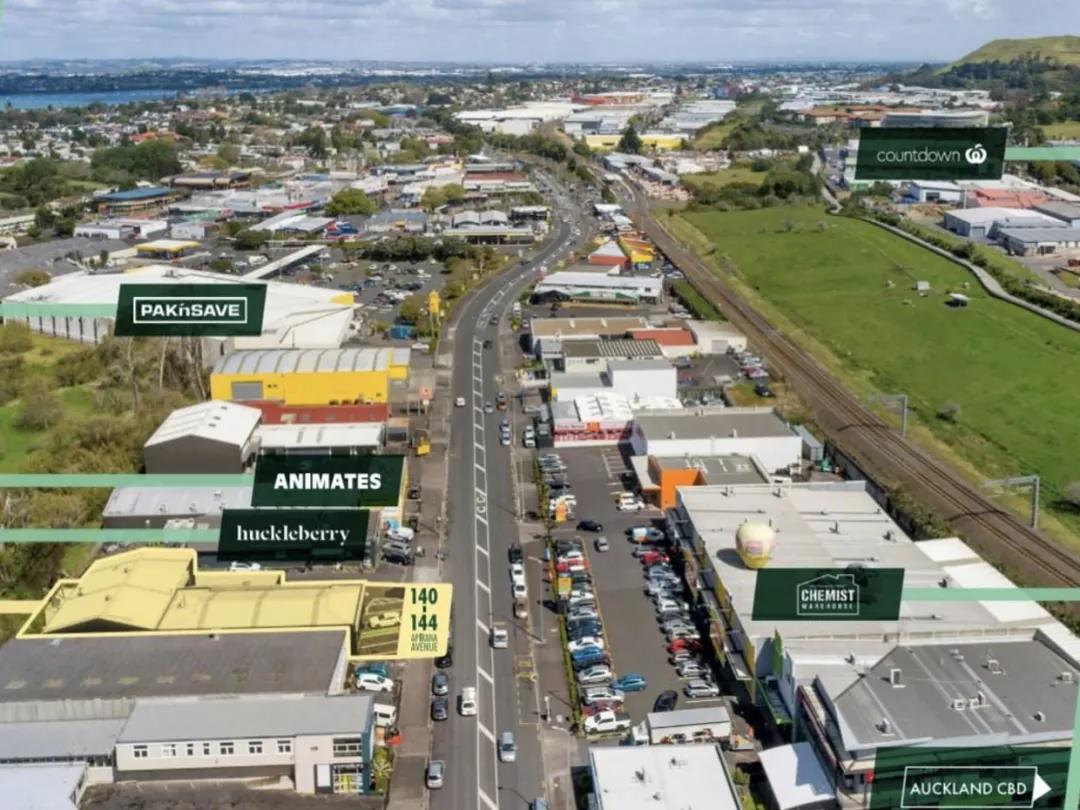
Image source: Trade Me (also applies below)
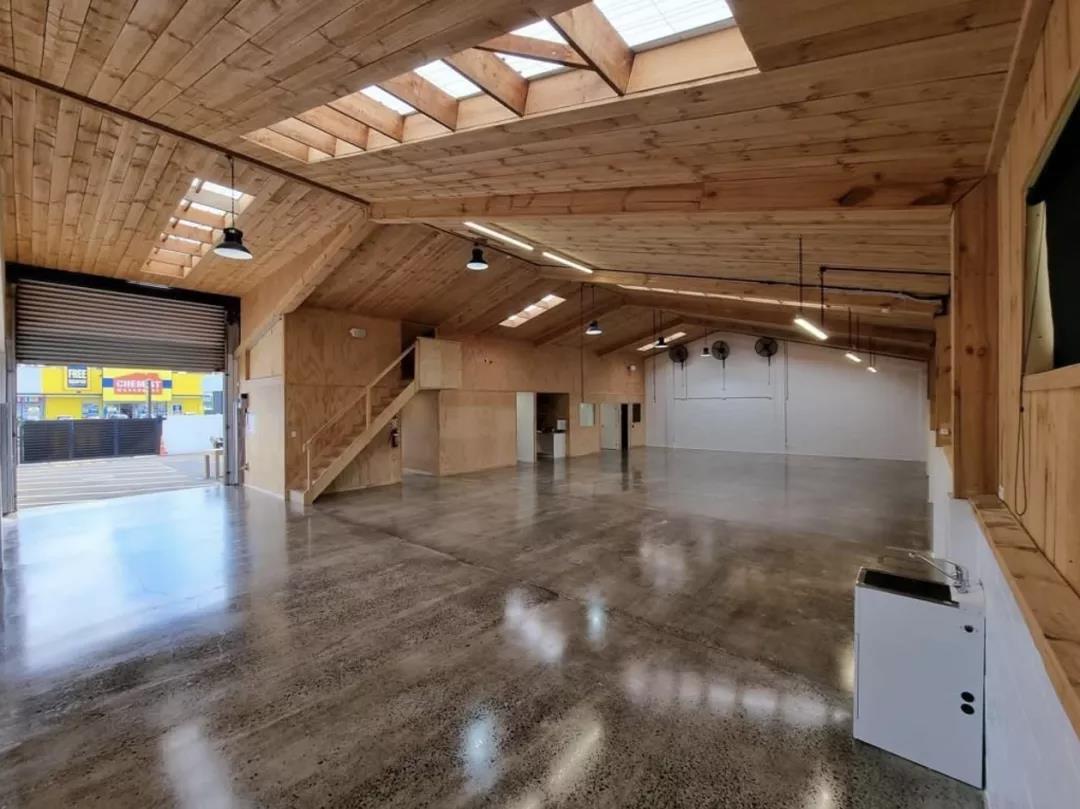
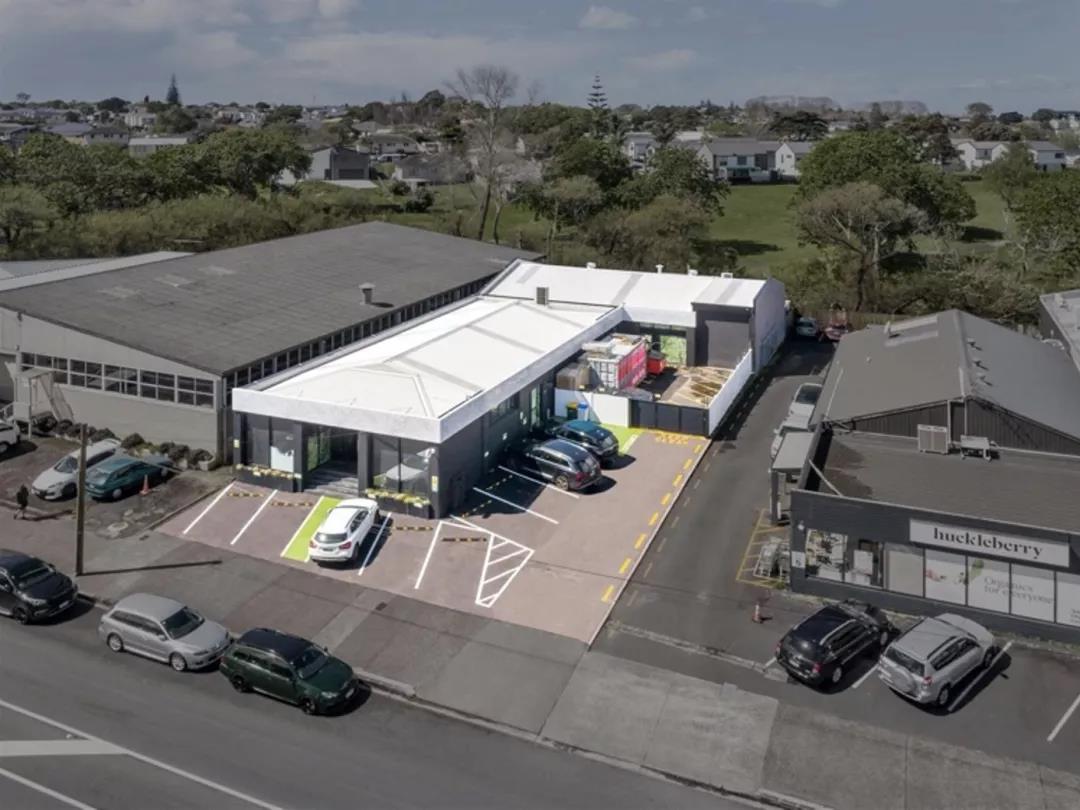
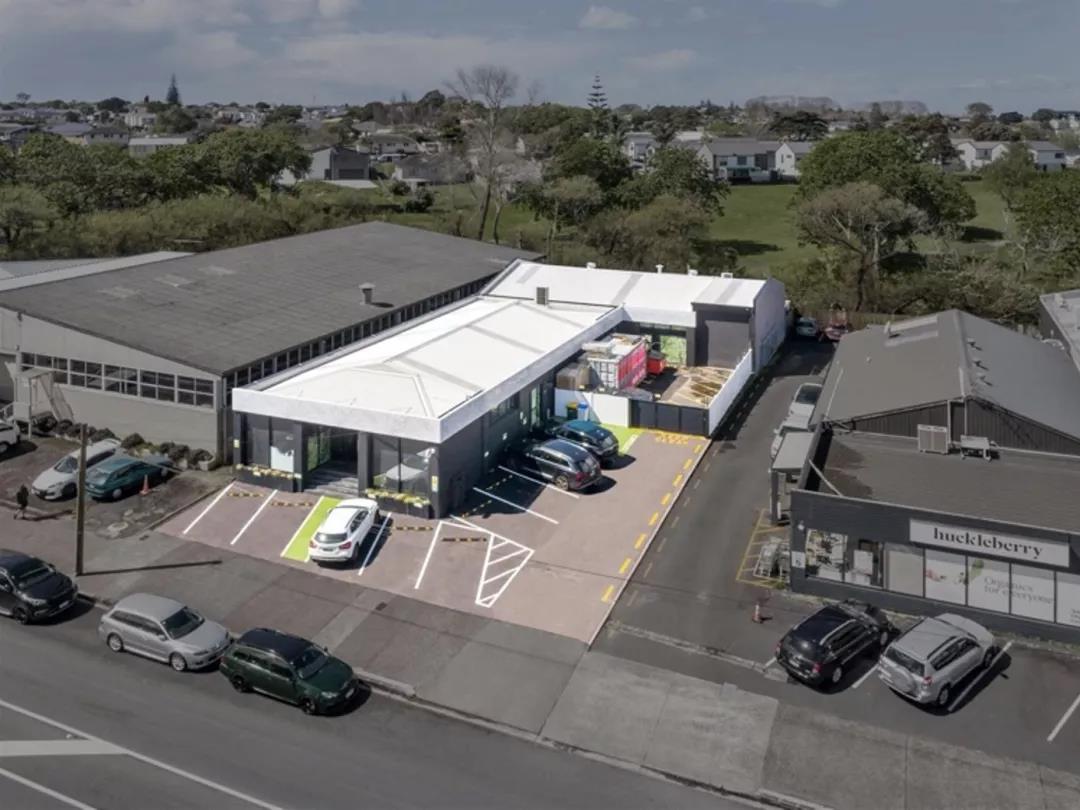
This commercial property occupies a 1012-square-metre site, with a 255-square-metre warehouse, 53 square metres of offices, a 231-square-metre showroom and a 40-square-metre mezzanine. It has a total lettable area of 579 square metres and 12 car parks. Currently vacant, it is zoned as a town business centre, allowing buildings up to 32.5 metres high, subject to council approval. The area is undergoing significant transformation and has good development prospects.
2
109 Valley Road,Mt Eden
This warehouse on the city fringe sits on 698 square metres of freehold land zoned Business – Local Centre. The property includes buildings totalling 483 square metres, comprising warehouse, office and recreational facilities, along with a car park/yard.
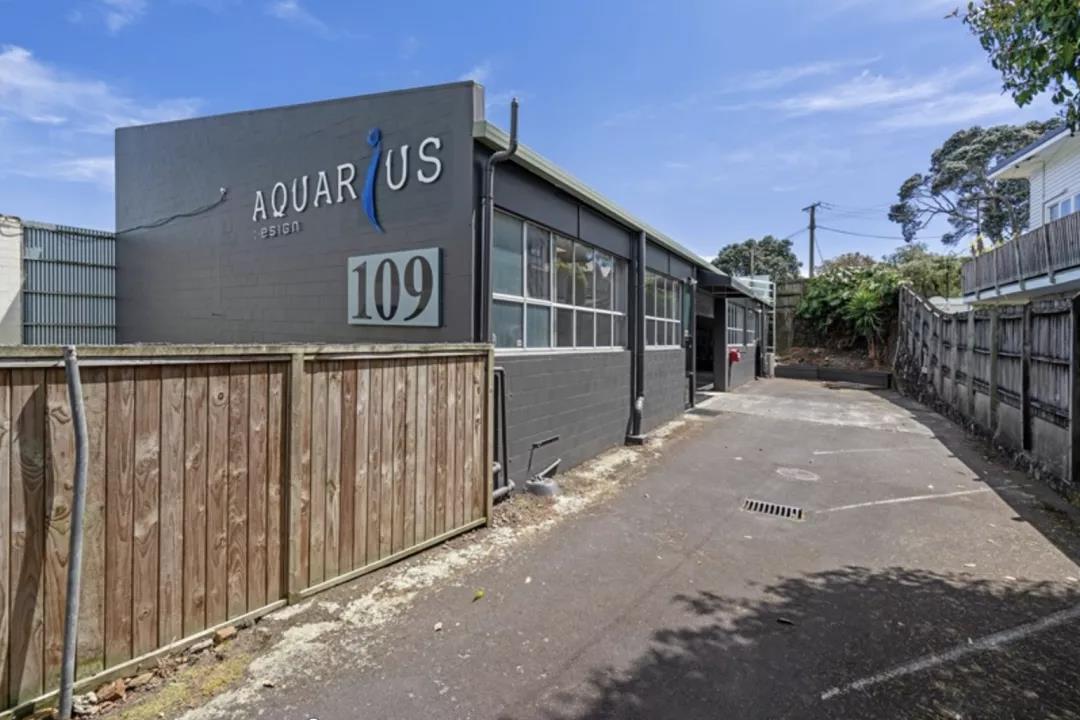
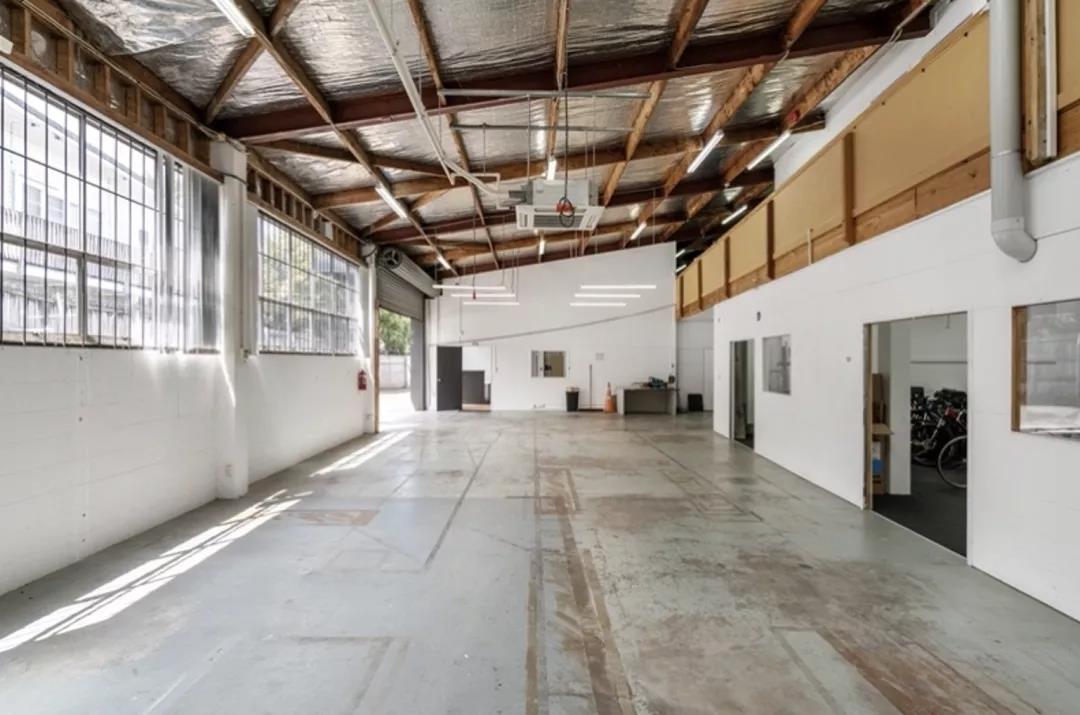
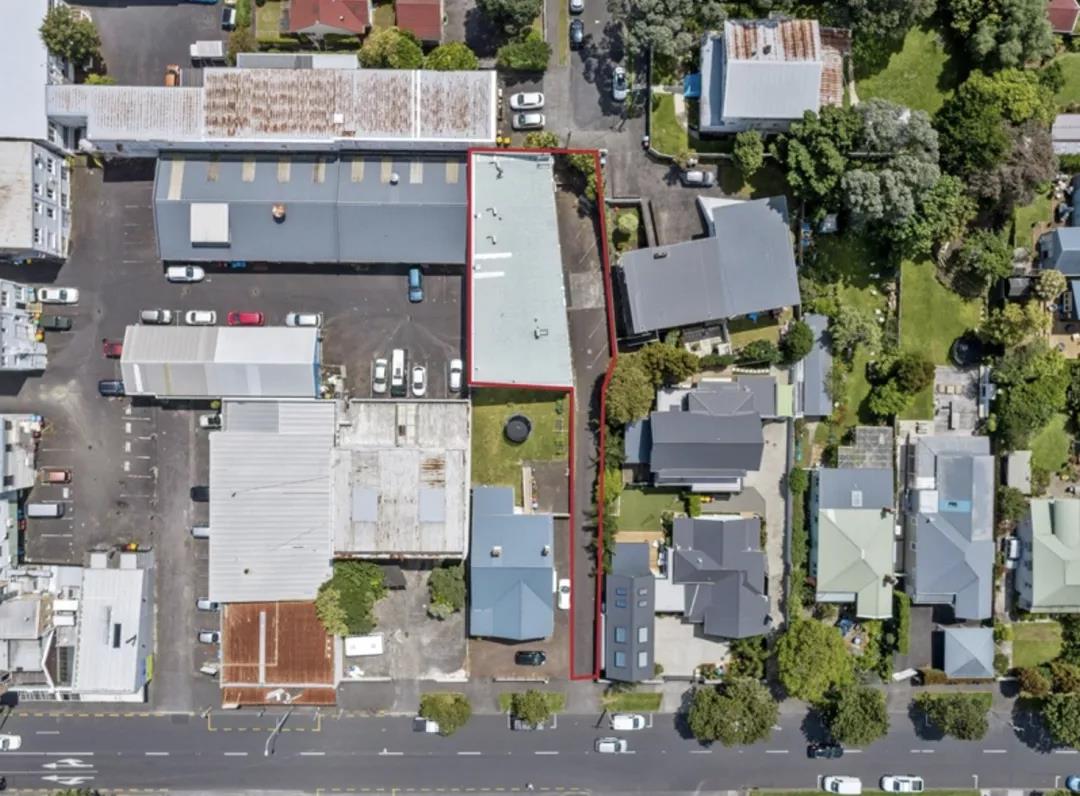
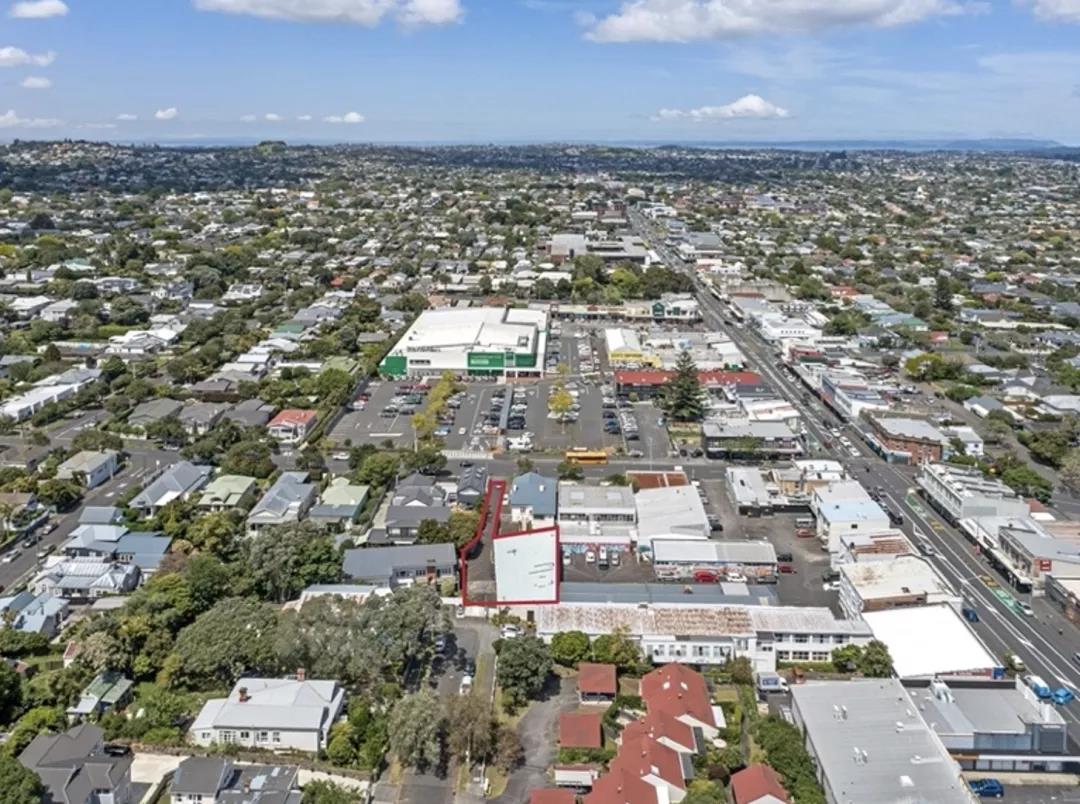
Both commercial properties are on the city fringe and are being sold vacant. However, 140-144 Apirana Ave may have more favourable zoning, a larger land area of over 1000 square metres and future development potential for buildings up to 32.5 metres high. In terms of location, I personally favour 109 Valley Road, Mt Eden, as it is closer to Kingsland railway station and the central business district. However, Apirana Ave may offer a higher investment return, as the rental yield from its 570 square metres of warehouse, showroom and office space is clearly much higher. Of course, this depends on your investment preferences and intended use. I believe both properties offer potential for strong investment returns and future development through land banking.
Conclusion
Most property investors are reluctant to consider commercial property because, for those unfamiliar with the market, the buying process is too complex, prices are too high and risks are relatively greater. However, once you understand how the commercial property market works, you will find its longer leases and rental yields, far above those of residential property, very attractive. Banks also impose stricter commercial lending requirements and often require substantial deposits. I therefore believe any commercial investment must reflect your financial circumstances. To be safe, obtain bank pre-approval before starting your search and make finance approval a purchase condition. Given the favourable leasing attributes of 140-144 Apirana Ave, it should not be difficult to find quality tenants and secure a reasonable rental return. However, 109 Valley Road, Mt Eden needs cosmetic improvements and a better exterior to attract new tenants.
Disclaimer: The views above are for reference only. YIJU accepts no legal liability.