
Homeowners, take note! Holiday tasks to keep your home safe and comfortable
With December already more than halfway through, can Christmas be far away? Somewhere along the way, neighbours have put up colourful Christmas lights, with Santa and reindeer appearing in their gardens. Through the windows, golden stars sparkle atop indoor Christmas trees. From somewhere comes the light, gentle melody of “Jingle Bells”... The holiday spirit is unmistakable!
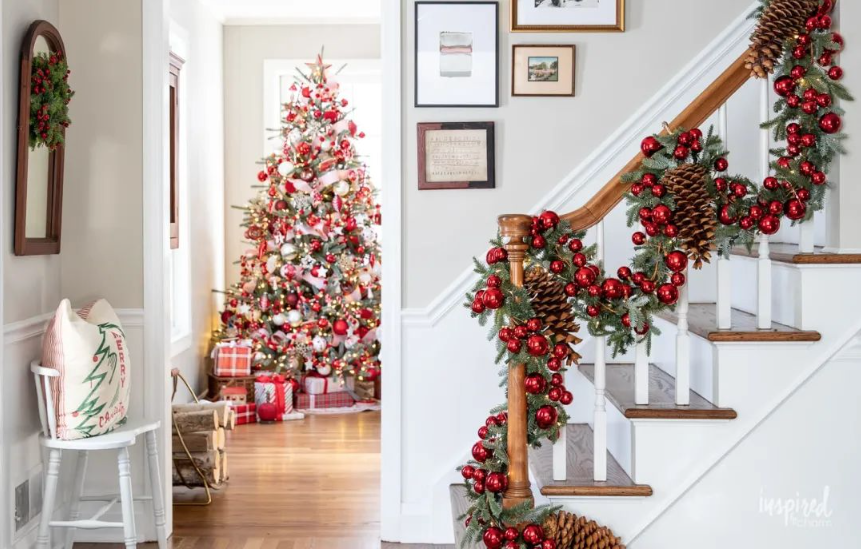
Red and green are Christmas’s signature colours, and in December, New Zealand has also entered the “traffic light” COVID protection system. This means hospitality venues, gyms, cinemas, and indoor and outdoor gatherings can open up, and domestic travel is possible again. During the year’s longest holiday break, are you planning to stay home and enjoy being together, or take a long-awaited summer trip?
But wait—if you are going away, is your house secure? For those planning to leave home for more than a week or longer, keeping the house safe while travelling is something you must not overlook. Even homebodies can use this rare extended summer break to make their homes more comfortable and liveable. Landlords with rental properties can also use this time to connect with tenants and arrange inspections and maintenance.
With your needs in mind, YIJU interviewed two senior property managers from Barfoot & Thompson. Drawing on their years of experience managing close to a hundred properties, they offer these holiday property management tips:
Head of Property Management, Howick branch
Kun Lu
Senior Property Manager, Glenfield branch
Ethan Zhao
What can owner-occupiers do?
YIJU: If you go away for the holidays and leave your home empty, how can you keep it secure?
Kun Lu:Make sure doors and windows are shut and curtains are drawn. This sounds simple, but it is so simple that many people forget to close windows and lock doors in the rush before leaving. It is best to make a detailed checklist of everything to do before departure, such as setting the alarm, turning off the gas and clearing the letterbox. Check each item so that rushing to catch a flight does not make you forget something important.
Also tell neighbours you know well about your travel plans. Ask them to keep an eye on the house and help maintain its usual routine—for example, putting your bins out on collection day and bringing them back the following day, and collecting mail, newspapers and advertising material. If you have a very good relationship, you could leave a key with them to make emergencies easier to handle.
Ethan Zhao:From an insurance perspective, I recommend taking out contents insurance as well as house insurance to cover unexpected events.
As a proactive measure, I strongly recommend installing a security alarm. If a break-in occurs, the alarm will sound and attract the attention of people nearby. Also, make the property fully fenced wherever possible. Choosing a video alarm system that can be monitored through a phone or another device will let you keep an eye on the house while travelling.
YIJU: If you are staying home, what renovations or improvements could make your home more comfortable and safer in the new year?
Kun Lu:Christmas falls in summer in New Zealand, making it a good time to wash and paint the exterior of the house and the deck. Summer is also suitable for painting bathrooms and window frames.
Ethan Zhao:It depends on the individual. After a year of hard work, many homeowners may want to use the holidays simply to put their feet up and rest.
If you are interested in home improvements, I suggest researching and doing your homework 2–6 months in advance. Draw up a practical maintenance and renovation plan, and consult professionals in different fields, such as architects, planners, interior designers, garden designers and building contractors. Choose improvements that suit your needs and budget.
Generally, kitchen and bathroom renovations tend to be relatively important. Changes in lifestyle brought about by COVID also make the potential to expand living space more valuable. You can refer to the New Building Consent Exemptions introduced in August 2020.
YIJU: The new year is also a good time to check your home. What should homeowners inspect themselves?
Kun Lu:Check whether the roof leaks, whether the fireplace needs inspecting and cleaning, and whether the interior and exterior walls and fences need repainting.
Ethan Zhao:Self-inspection is generally not something I particularly recommend. Even with my own extensive experience in property, I would not rely entirely on my judgement; I place greater trust in valuable advice from professionals. A house is a complex physical product. From its internal structure to its external framework, and the relationship between safety and aesthetics in furnishings and permanent fittings, it requires specialist knowledge to some extent.
Of course, making a deliberate effort to learn, build your property knowledge and understanding, regularly look after your home and address problems promptly is valuable and worthwhile. After all, home is where the love is—a place where your heart can rest.
What should investment property owners do?
YIJU: With the end of the year falling in summer, what property checks should landlords carry out?
Kun Lu:Because Auckland summers are relatively dry, this is the best season to refurbish exterior walls and paint balconies. Many landlords also choose this time to repair or replace roofs and clean gutters.
Indoors, most rental properties now have heat pumps, and tenants generally use their cooling function, so this is also a good time to clean the filters and service the units. Summer’s higher temperatures also make it suitable for painting ceilings or windowsills, as the paint dries more quickly.
Ethan Zhao:Traditionally, rental properties generally undergo routine inspections every 3 months. The approaching Christmas holiday period runs from mid-December to the end of January. From a professional scheduling perspective, inspections require advance notice and should be carried out without disrupting tenants’ enjoyment of their rental home.
Routine exterior checks cover exterior paintwork, deck and paving cleaning, garden maintenance, as pests can be a problem in summer, and roof maintenance. Indoors, repainting walls, refurbishing or upgrading bathrooms, cleaning carpets and pest treatments are all cost-effective improvements that can reduce safety risks and improve the living experience. Overall, work that benefits from summer conditions is best inspected and carried out during this holiday period.
YIJU: If tenants want to decorate the property, what kinds of decorations are permitted, and what might damage it?
Kun Lu:The law has changed, giving tenants greater scope to decorate and arrange their homes. However, tenants still need the landlord’s permission to make even simple changes; landlords simply cannot refuse reasonable requests without grounds. Most tenants ask to hang pictures on walls or put up their own curtains, which is fine as long as they restore things to their original condition when they move out.
Ethan Zhao:New Zealand’s latest tenancy legislation, the Residential Tenancies Amendment Act 2020, came into force on 11 February this year. Under the Act, tenants can make “minor” changes to their rented premises or install reasonable fixtures, provided they do not alter the building’s structure. However, the new rules require that these fixtures do not damage the property, cause structural changes, create safety risks or conflict with the body corporate rules of a unit title development.
Tips
Which changes count as “minor”?
Essential household appliances, such as washing machines and dishwashers
Child safety devices, such as baby gates and childproof locks
Small devices to keep people with disabilities safe, such as visual fire alarms, security alarms and doorbells
Other small decorative additions, such as shelves, curtains and hooks
Arranging the garden
What is the process for making changes?
Before talking to the landlord, tenants should establish the details of their proposed changes. They must then submit a written request to the landlord, who must respond within 21 days. Although landlords cannot refuse minor changes, they may set reasonable conditions.
What happens to the changes when the tenant moves out?
At the end of the tenancy, unless the landlord agrees otherwise, tenants must restore the premises to their original condition and remove all fixtures and furniture they have installed. Tenants bear all costs of the changes, as well as the costs of restoration and removal when they leave.
YIJU: How can landlords strengthen their relationship with tenants during the year’s biggest festive season?
Kun Lu:Landlords could consider buying tenants a simple gift, such as a card or some sweets.
Ethan Zhao:First, I would not recommend describing the relationship with tenants in terms of “emotional bonds”, even if the intention is to strengthen the connection and make it more harmonious. A rental property is a specialised financial product with a commercial purpose, and a business in which reason should guide emotion, so I think “relationship” is a more appropriate term. Both parties should build a shared understanding based on mutual respect and fairness, grounded in the law and professional practice.
We therefore strongly recommend that owners keep paying closer attention to wear and tear on the property itself. Generally, there are two very useful approaches to try. One is to improve your technical knowledge of property maintenance, including regular tasks such as cleaning gutters and exterior walls, maintaining the roof, and identifying potential leaks in kitchen and bathroom plumbing. The other is to understand the quality of accommodation your rental property offers, whether it meets New Zealand standards and local living habits, and what tenants actually experience while living there.
YIJU: If tenants go away for the holidays, what should landlords do to keep their assets safe?
Kun Lu:Landlords need to confirm how long tenants will be away, as this has implications for house insurance. Tenants should ensure doors and windows are shut and curtains drawn so outsiders cannot see that the house is empty. This is particularly important for secluded properties. In some areas, it is necessary to establish whether tenants should turn off the water supply. Also let neighbours know that the house will be empty for a while and ask them to keep an eye on it.
Ethan Zhao:Whether or not a property has tenants, banks require mortgaged properties to have house insurance, protecting the building as an asset when unexpected or unforeseen events occur. For properties used as rentals, landlord insurance can also help reduce the associated risks. For specific insurance questions, consult an experienced insurance adviser and choose a product suited to your rental property.
Proactive measures are much the same for rental properties as for owner-occupied homes, except that landlords cannot install indoor video alarms because of privacy considerations.
YIJU: If a property is temporarily vacant and you plan to rent it out after the holidays, what improvements and preparations should you make?
Kun Lu:When tenants view a property, carpets and walls matter most to them, so you could replace the carpet and repaint while the property is vacant. With a larger budget, you could also renovate the bathroom and kitchen.
Ethan Zhao:The improvements needed depend on the individual case, but tenants generally care most about how the kitchen and bathroom work for them. If you already have a renovation budget, you can focus on these two areas first.
Of course, it is worth stressing that property has a degree of complexity. Each factor usually needs to be considered together to determine which solutions and recommendations best suit your rental property, delivering a relatively higher return and making a modest investment go further.
If you need to rent out your property, contact a professional Barfoot & Thompson property manager for an assessment and management services.