
Can first-home buyers find a bargain as house prices fall?
First-home buyers watching from the sidelines have long been potential customers for many new developments, and are also one of the groups YIJU follows closely in the property market. Rising house prices in recent years have been unkind to this group. Tighter lending policies following the major commercial banks' introduction of interest-rate stress tests have also dashed many first-home buyers' dreams of owning a home.

First-home buyers watching from the sidelines have long been potential customers for many new developments, and are also one of the groups YIJU follows closely in the property market. Rising house prices in recent years have been unkind to this group. Tighter lending policies following the major commercial banks' introduction of interest-rate stress tests have also dashed many first-home buyers' dreams of owning a home. Yet falling house prices in recent months seem to have offered these buyers a glimmer of hope. In this article, we explore whether first-home buyers can find a bargain in a falling market.
{ad}
Rents for rental properties
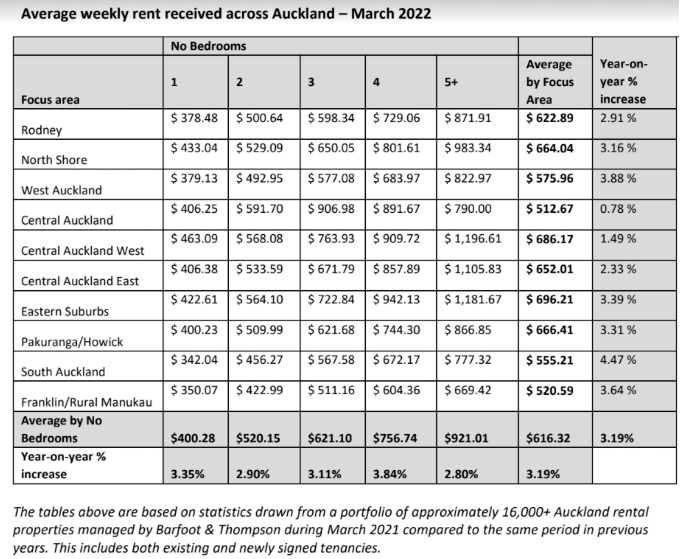
Figures released by several property agencies show that house prices have softened in many areas recently. While the overall housing market is trending downwards, the rental market presents a different picture. The latest figures from property agency Barfoot & Thompson show that average residential rents in Auckland rose by 3.19% over the 12 months to the end of March. At the end of March this year, the average rent across all properties the agency had on the market was NZ$616.32 a week, up 3.19% from a year earlier, an increase of NZ$19.05.
The table below, using data from Barfoot & Thomson, shows average rent increases by area and number of bedrooms. Barfoot & Thompson director Kiri Barfoot said: "This movement in rents made the first quarter of 2022 one of the stronger quarters for rental growth in recent years, although it remained below the increases of 5% and 6% recorded between 2014 and 2017."
First-home buyer numbers continue to decline
In theory, steadily rising rents should push more first-home buyers to consider owning a property sooner. The reality, however, is different. The latest figures from property data company CoreLogic show that first-home buyers' market share in the first three months of this year was 22.5%, below the figure for 2021's second half: 26%。In the three months to the end of March this year, the actual number of purchases by first-home buyers was the lowest since 2014, excluding the pandemic lockdown period in 2020. Their share of the market over the same period had fallen to levels last seen in 2017.
CoreLogic chief property economist Kelvin Davidson warned that despite softer house prices and more properties listed for sale, the number of first-home buyers active in the market could fall further this year. Clearly, rising interest rates and stricter lending rules are preventing New Zealanders from taking advantage of the market's marked shift towards buyers. They want to buy, but the banks will not let them. In November last year, the loan-to-value ratio lending allowance for owner-occupiers was halved from 20% to 10%, significantly dampening first-home buyers' enthusiasm. Subsequent changes to the Credit Contracts and Consumer Finance Act (CCCFA) offered them no meaningful help either. Stricter lending rules and higher mortgage rates are driving first-home buyers out of the market faster than house prices are falling.
According to CoreLogic's First Home Buyer Report, the median price paid by first-home buyers in New Zealand in the first quarter of 2022 was NZ$752,000, up from NZ$680,000 in 2021. The median price paid by all buyers was NZ$860,000. The report said that over the past four to five years, the median price paid by first-home buyers had been about 91%–92% of the median paid by all buyers. In 2022, however, that ratio fell to 87%, suggesting first-home buyers were unable to keep pace with rising house prices.
The report found that in every main city, first-home buyers' market share had fallen from its peak, and the median price they paid was below the median paid by all buyers. Auckland had the largest gap. In the first three months of this year, first-home buyers paid a median price of NZ$1,040,000, which was NZ$219,000 below the city's overall median. The median price paid by first-home buyers was NZ$890,000 in Wellington, NZ$800,000 in Tauranga, NZ$750,000 in Hamilton, and around NZ$600,000 in Christchurch and Dunedin.
Mortgage broker Sara Hartigan believes the number of first-home buyers in the market has fallen noticeably. For some of her clients, tighter CCCFA rules, higher interest rates and increases in the test rates used to assess individual repayment capacity mean they can no longer obtain a mortgage, or can borrow less. Every increase in test rates reduces some people's borrowing capacity. Just this week, she submitted a home loan application for a couple whose borrowing capacity had fallen by NZ$30,000 in three months.
REINZ chief executive Jen Baird said tighter lending criteria, LVR restrictions and rising interest rates, combined with inflation, continued to challenge some buyers, particularly first-home buyers and investors.
How far must house prices fall to make buying easier for first-home buyers?
Economists at the major banks have recently predicted that New Zealand house prices are highly likely to fall from their peak by 15%~20%. So how far must house prices fall to make buying easier for first-home buyers?
The answer depends on this question: what is your biggest obstacle to buying a home?
If it is the deposit, prices simply need to fall to a level where the required deposit is within your reach. At an LVR of 90%, a NZ$1,000,000 property requires a deposit of NZ$100,000. If the price falls by 15%, the deposit falls to NZ$85,000. For high-LVR borrowers—buyers borrowing more than 80% of a home's value—banks need to be satisfied that they can meet repayments. In practice, only around 5% to 6% of applications from high-LVR borrowers are approved. Even last year, when mortgage applications reached record levels, obtaining a mortgage with a deposit below 20% was very difficult. Many industry insiders say that later this year, when lending volumes are expected to fall sharply, approval for high-LVR loans will become even harder to obtain. Such loans will be reserved for strong applicants. Income is the most common way banks screen applicants. When high-LVR lending tightens, high earners move to the front of the approval queue.
If your biggest obstacle is personal income—your ability to repay a mortgage—rather than the deposit, do not expect lower property prices to help much. Although lower prices mean smaller mortgages, interest rates are widely expected to keep rising, and your earning capacity will directly affect your ability to meet repayments.
MortgageLab founder Rupert Gough offers this advice to first-home buyers:
If you can buy a home today, I suggest getting out and looking for a bargain rather than waiting for the market to recover. We are in a buyer's market, with plenty of choice available. The house price statistics you see are averages, which means some homes are already selling cheaply.
If you cannot yet obtain a mortgage, do not give up. The advice remains the same as it has always been: the best thing any prospective buyer can do is keep saving as much as possible towards a deposit, whatever house prices are doing. As your savings grow, ask your mortgage adviser how much you can borrow based on your income and deposit. When that amount is enough for a home that suits you, you will be ready to apply.