House prices record their biggest fall, but interest rates soar 100%: should we still build, and can we buy?
With the international situation complex and volatile, global inflation is at its highest since 2008, forcing central banks in many countries to step up countermeasures to "turn off the money tap":
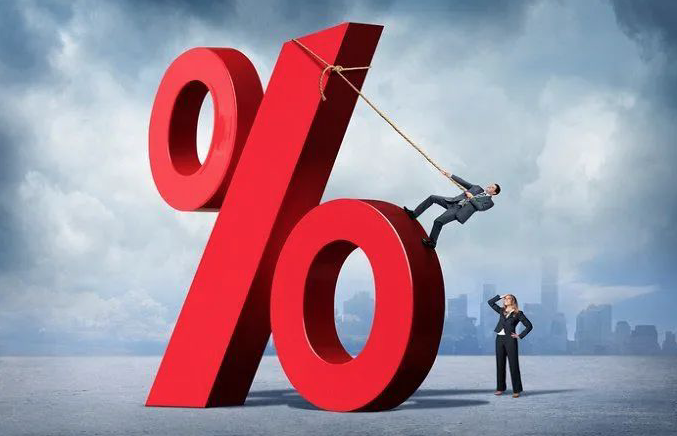
The US Federal Reserve began its rate-hiking cycle in March, announcing on 16 March that it would raise its benchmark rate by 25 basis points—its first increase since 2018. Whether the Federal Reserve raises or cuts rates, it has direct or indirect effects on the global economy. Following this increase, Hong Kong, India, Australia and New Zealand, among others, also raised rates, formally ushering in a global "credit crunch".
It is no exaggeration to say that "credit crunch", originally a neutral financial term, has cast a cloud of anxiety over New Zealand. Everyone is talking about it, yet few can clearly explain what it actually means. How does it affect our lives, and how can we navigate it?
YIJU New Zealand interviewed finance expert and former government investment official Vicky Xi to address readers' questions about the credit crunch clearly and comprehensively.

Vicky Xi
Finance partner at Squirrel Group
Nearly a decade of experience in New Zealand banking
Former New Zealand government director of cross-border investment for Greater China
YIJU: Could you explain to YIJU readers exactly what a credit crunch is?
Vicky:A credit crunch occurs when financial institutions raise their lending standards, offer loans at above-market interest rates, or become unwilling to lend at all. This slows credit growth and leaves the economy's ongoing production needs without sufficient funding.
Put simply, finance becomes harder to obtain and more expensive. Many loans that would previously have been approved are declined. Even borrowers who secure finance can no longer obtain the low equity requirements, high LVRs and attractive interest rates previously available. This can delay many otherwise viable developments, or leave them permanently on the drawing board…
YIJU: Have interest rate rises caused New Zealand's credit crunch?
Vicky:New Zealand's credit crunch began late last year, before the Federal Reserve raised rates in March. Tightening across the global financial system and in monetary policy has further intensified and accelerated New Zealand's monetary tightening.
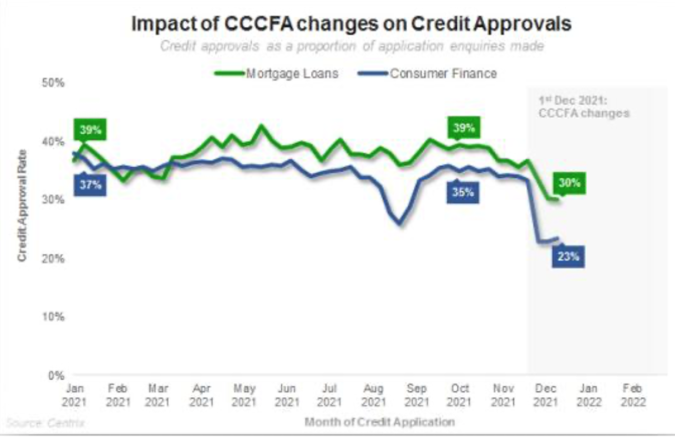
In my view, the new Credit Contracts and Consumer Finance Act (CCCFA) rules triggered New Zealand's credit crunch. The CCCFA policy is an extreme correction for possible excessive lending in the past, and its tightening effect is clear. A report from major New Zealand credit information company Centrix shows that since the new CCCFA rules took effect in December, mortgage approvals have fallen sharply by 30% compared with last year, while consumer lending, much of it car finance, has fallen by 23%.
Second, pandemic lockdowns, material and labour shortages, and inefficient work by councils and electricity company Vector have repeatedly delayed many projects already under way. This has reduced liquidity in the financial market, making finance harder to obtain.
Third, rising interest rates have weakened buyers' willingness to purchase. Slower house sales and disappointing presales have left many developers with inadequate returns, naturally making finance even harder to secure.
Together, these factors have created the current credit squeeze in New Zealand.
YIJU: What problems has the credit crunch brought?
Vicky:As mentioned, a credit crunch involves both higher lending standards and higher interest rates.
Higher standards, such as requiring developers to contribute more equity or secure more off-the-plan presales, increase hidden costs. Most non-bank lenders previously had no presale requirements, but now impose some. With the property market slowing, presales take longer and prices are disappointing, delaying projects or preventing them from starting. This is particularly evident in apartment developments.
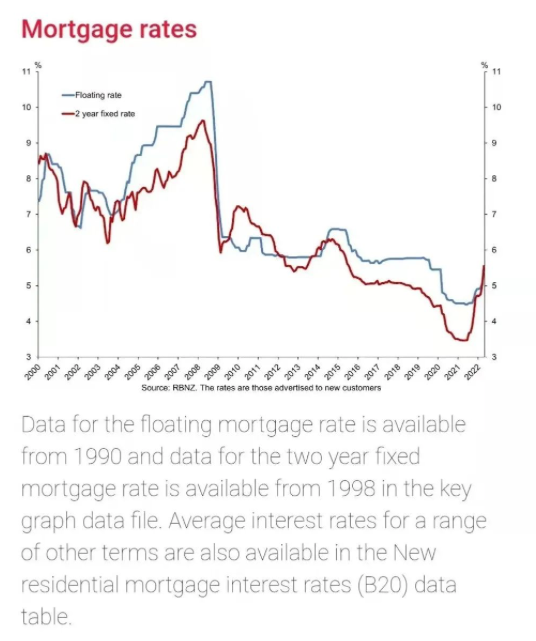
The problems caused by higher interest rates are more obvious. Last year, some banks offered one-year fixed rates as low as 1.99%. Now, rates are generally 4.55%, a rise of more than 100%, significantly reducing buyers' willingness to purchase. For developers, financing costs have risen by around 2% compared with last year. Do not underestimate that 2%: many large projects could even collapse because of this 2%.
There is also greater uncertainty across the financial market, leaving people anxious. I have not experienced this myself, but I have heard of lenders being unable to honour their contracts and release funds as scheduled, even after approving loans. This has seriously affected projects.
YIJU: Which types of development are most affected, and how?
Vicky:The latest OneRoof-Valocity House Value Index, released in April this year, showed Auckland's average house value fell sharply by 2% over the quarter, the biggest decline since the global financial crisis in 2008. In terms of developments, I believe apartment projects have been hit hardest, while large townhouse developments have also been significantly affected.
There are three main reasons. First, weak presales make it difficult to meet lenders' presale requirements and trigger the release of funds. Second, large projects' longer development periods bring higher financing costs, and steadily rising interest rates sharply reduce returns. Third, uncertainty in the financial market increases the risks associated with these large investments.
YIJU: Who has been most affected?
Vicky:Last year, novice developers of various sizes and backgrounds were drawn in by the property market's outward prosperity. They bought so-called developable land at high prices, hoping to seize the opportunity and take a chance, without fully considering the risks. Some established developers also bought several sites at once for various reasons, sometimes in partnership with friends and sometimes as sole owners. These are the people most affected by the credit crunch:
Developers are now increasingly unable to settle on land bought at last year's high prices. Some bought at the peak and, with prices now lower, cannot fund the full shortfall. Others assumed last year that borrowing would be easy, only to discover this year that it is harder than expected. The previously imagined fallback of going to a finance company if a bank declined is also closed off: finance companies have raised their thresholds too. Others planned to buy and develop land with a partner, but if partner A encounters difficulties and cannot meet their obligations, partner B must buy out A's share or bear the joint losses. If B lacks the necessary funds and cannot obtain finance, settlement cannot proceed.
YIJU: What can we do to minimise the effects of the credit crunch?
Vicky:I believe in preparing ahead so that you are ready for trouble. Advance preparation can greatly reduce the impact of uncertainty. Banks, finance companies and private lenders are not charities. Approaching a lender only once problems arise usually means paying high financing costs or risking being unable to borrow. Arrange finance while conditions are favourable and there is no urgency, so you have reserves and peace of mind. It may sound like a cliché, but this has long been one of my financing strategies, and I have benefited greatly from it.
Second, provide complete documentation rather than making lenders guess. Some inexperienced borrowers disclose information selectively when applying for finance, turning the process into a guessing game full of surprises. I understand this caution: much of the information is private, and full disclosure is difficult without sufficient trust. But making lenders guess lengthens the application process and adds avoidable pressure. An ongoing finance partner, mutual trust and coordinated planning from the outset of a project may produce better results.
Third, face problems and solve them. Understand the liquidity issues in today's financial market and accept that financing costs have risen. In my experience, this situation will persist for some time. Do not put too much hope in a miracle; prepare early. If a miracle happens, it is a bonus. If it does not, risks must still remain within what you or your company can afford to bear.
Fourth, people who achieve great things know how to apply their own strengths and draw on those of others. Squirrel Group founder John Bolton has longstanding relationships with senior people across bank and non-bank departments, and communicates effectively with mainstream banks and non-bank lenders. Finance partner Vicky Xi has extensive experience in New Zealand's financial system. She understands the financing and lending rules of major commercial banks' property departments and finance companies, as well as the common difficulties and needs of Chinese developers. Drawing on John Bolton's connections and Vicky Xi's experience can help you focus your efforts and achieve more with less, even in these difficult times.
Scan the code to contact Vicky