
Winter is here: worried about soaring power bills? Save these practical tips for staying warm on a budget
In this cold, damp weather, with inflation soaring, it is hard not to worry about your household power bill
The greatest distance in the world is not between people unaware of each other's love, but the temperature gap between being under the duvet and outside it in the depths of winter. Temperatures have been falling, cold winds are blowing, and winter has arrived. In this cold, damp weather, with inflation soaring, it is hard not to worry about your household power bill. In this special contribution, Barfoot & Thompson shares practical tips for keeping your home warm while saving money, to help you get through the wet winter comfortably and reduce your electricity costs. Barfoot & Thompson The property management team has plenty of simple, practical tips to share, helping tenants stay warm and comfortable while reducing unnecessary maintenance costs for landlords.
01
Keeping your home warm
If exterior walls are a home's “outer coat”, installing high-performance insulation in the ceiling, floor and walls is like adding a layer of thermal underwear. Two main types of insulation are available in New Zealand: glasswool, made from molten recycled glass, offers good value and accounts for nearly 70% of the New Zealand market; polyester insulation is made from recyclable PET plastic, produces comparatively less dust and is safer for people with asthma, but costs more.
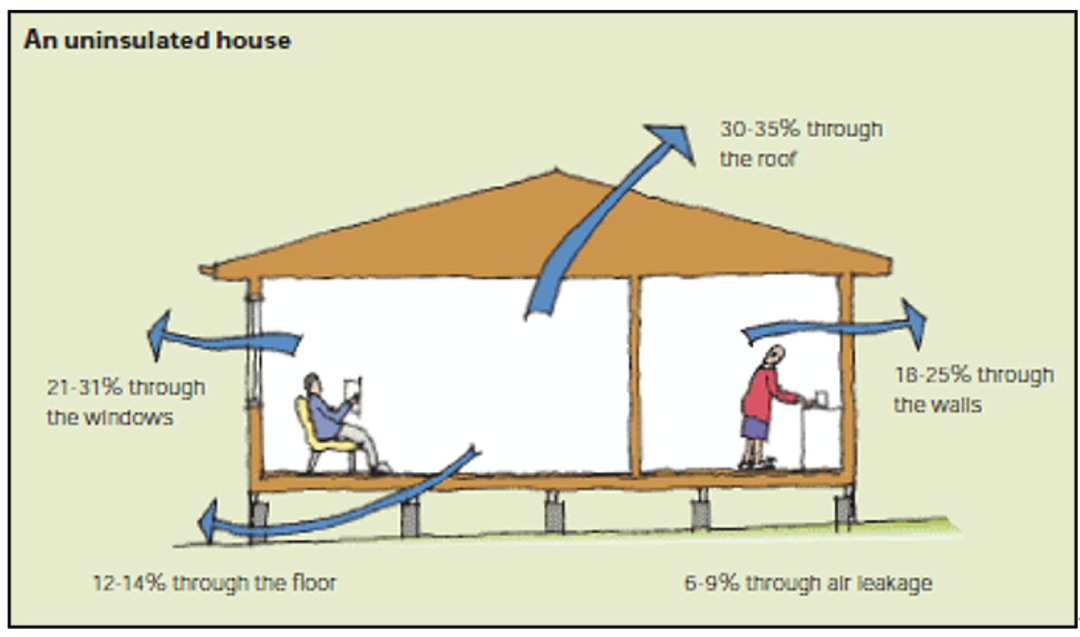
As the illustration above shows, a home without insulation loses 30–35% of its heat through the roof, 21–31% through windows, 18–25% through walls and 12–14% through the floor. Because warm air rises, the greatest heat loss occurs through the roof, making roof insulation the most important measure and also relatively easy to improve. We all enjoy the natural light and expansive views that floor-to-ceiling windows provide, but large windows can easily lose heat. Low-E double glazing can effectively retain warmth and keep out the cold. Several types of window frames are available in New Zealand:
1
Aluminium frames are easy to maintain, but conduct heat readily and provide poor insulation;
2
Thermally broken aluminium frames use an insulating strip to interrupt heat transfer between the inner and outer aluminium sections, providing comparatively better insulation;
3
PVC frames perform well for both insulation and durability;
4
Timber frames provide the best insulation, but cost more and require greater spending on maintenance.
Replacing all the windows and frames in a home is a considerable expense. A cheaper, easier option is to apply insulating film to the windows, which can also prevent frost forming on the glass. Window insulation kits are available at local home improvement stores in New Zealand.
Improving your home's airtightness can also block cold draughts, keeping it warmer while using less electricity. For an unused chimney, a plastic bag stuffed with newspaper makes an ideal plug. Door and window frames are the most common sources of draughts. Only larger gaps are visible to the naked eye, so try lighting a candle on a windy day and moving it around the edges of doors and windows: a flickering flame can reveal air leaks. If you find draughts, buy sealing strips and fit them promptly to minimise heat loss. Thermal curtains add another effective layer of protection to windows. There are also some tricks to choosing and installing them:
1
Choose thick, insulating fabric wherever possible, and opt for layered curtains if your budget allows;
2
Curtains should extend well beyond all sides of the window, ideally reaching from the ceiling, with a pelmet, down to the floor;
3
Keep holes in curtains to a minimum to prevent draughts;
4
Fit curtain tracks as close to the wall as possible to minimise gaps;
5
Open curtains to let sunlight into the room, then close them half an hour before sunset to reduce the time you need to run your heat pump.
{ad}
02
Reducing moisture in your home
Humidity affects how warm or cold we feel. When indoor humidity is high, we often feel colder and damper than the actual air temperature suggests. This is the so-called damp-chill effect: evaporating moisture takes heat away. Excessive winter dampness encourages mould, which is harmful to health. Dry, cold air is also relatively easier and cheaper to heat. Try these ways to remove moisture and keep your home dry:
1
Use a dehumidifier to reduce indoor humidity;
2
Install a ventilation system such as HRV or Smart Vent to improve indoor air circulation and speed up moisture evaporation;
3
Lay a ground moisture barrier beneath the house, taking care to seal the joins properly so it effectively blocks moisture from the ground;
4
Install extractor fans in the kitchen and bathroom, and remember to switch them on whenever you cook or bathe so moisture is effectively removed;
5
Opening windows regularly to ventilate the house can also help remove moisture;
6
Make sure your clothes dryer vents warm air outdoors. Air-drying uses less electricity, but dry clothes outside wherever possible;
7
Trim trees around the house to reduce shade from branches and foliage and prevent leaves falling into roof gutters. Clean gutters regularly to prevent blockages that can cause rainwater to seep into the house, damaging its structure and insulation.
Under New Zealand's Residential Tenancies Act, rental homes must meet the Government's Healthy Homes Standards and provide tenants with a warm, dry living environment. This can encourage tenants to renew their tenancies and reduce maintenance costs. Barfoot & Thompson's professional property management team provides an effective communication link between you and your tenants, helping keep your property in good condition and your rental income steady.
03
Using appliances efficiently
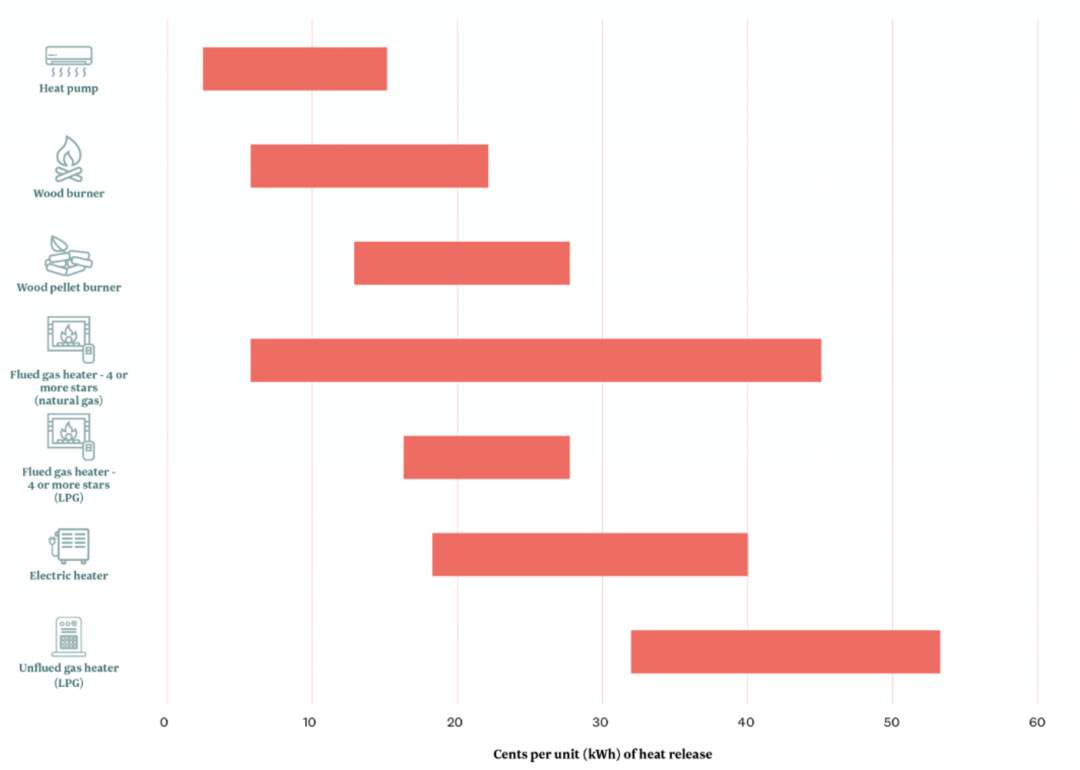
The chart below compares the energy costs of different heating appliances producing the same amount of heat. Unflued gas heaters are not recommended: they use a lot of energy and emit toxic gases. Heat pumps have clear advantages, but an oversized unit wastes electricity, while an undersized one will not provide enough heat. The capacity you need depends on your home, including the insulation's R-value, the size of the space, and the number and size of doors and windows. Use this website to calculate the appropriate heat pump capacity for your home: https://www.tenancy.govt.nz/heating-tool.
1
There is no need to keep indoor temperatures too high. Ideally, maintain 18°C–21°C to reduce humidity, avoid illness caused by a large temperature difference between indoors and outdoors, and save electricity.
2
If the space is very large, heating the whole area with a heat pump may not be economical. Consider using an electric heater to warm just the area you need. Portable heaters can also be moved into rooms without a heat pump.
3
Keep doors closed to rooms that do not need heating to reduce heat loss.
4
Appliances carry an energy rating label when sold. The more stars, the less electricity they use. Although more efficient models cost more upfront, they save electricity and money over the longer term.
5
Water heating accounts for 30% of a typical New Zealand household's energy use. If you have an electric hot water cylinder, wrapping it in insulation can prevent heat loss and reduce electricity use. The same applies to hot water pipes. Using less hot water can also reduce electricity and gas bills: for example, shower rather than take a bath, and keep showers shorter. A 15-minute shower can use around NZ$1 worth of energy.
6
Many appliances still draw power on standby, so remember to switch off lights and appliances when they are not in use. For example, a heated towel rail can use NZ$180 worth of electricity a year. Switching it on only before bathing and turning it off immediately afterwards can save a considerable amount.
7
LED bulbs use less electricity. With three hours of lighting a day, an LED bulb can save around NZ$14.3 a year in electricity costs compared with a conventional bulb.
8
Adjust your routine: going to bed earlier and getting up earlier saves electricity.
04
Comparing electricity prices
Generally, New Zealand electricity retailers divide their charges into two main components. The first is a fixed daily charge, covering costs such as metering and maintenance, payable whether or not you use electricity. The second is the charge for actual electricity use, calculated by multiplying the retailer's rate by your household's consumption, measured in kilowatt-hours (kWh).
There are two common plan options:
1
Low-user plans have lower fixed charges but higher rates for electricity used;
2
Standard-user plans have higher fixed charges but lower rates for electricity used.
Each electricity retailer has different rates and offers various discounts. Common examples include:
1
A discount for paying your monthly bill in full and on time;
2
A discount for setting up automatic payments from your bank account;
3
A discount for choosing bills by email;
4
Some electricity retailers also provide gas and internet services, with further discounts available through bundled plans.
Choosing the right electricity retailer could save you hundreds of dollars a year. You can use this website https://powerswitch.org.nz/ to compare retailers' prices based on your circumstances.
These winter heating tips for staying warm and saving money have been carefully compiled by YIJU's editorial team as a small Māori New Year gift for you. With Māori New Year officially recognised as a New Zealand public holiday for the first time, we wish you a happy long weekend, good health and plenty of warmth!
Barfoot & Thompson is the real estate agency that knows Auckland best
In Auckland, 1/3 of home sales are through Barfoot & Thompson,
far ahead of every other real estate agency.
Our services
- Residential sales
- Commercial property
- Property management
- Residential lettings
- Body corporate
- Project support