
Do you agree with buyers using negative property market news to push sellers’ prices down?
Barfoot & Thompson recently said it had “just recorded its worst-ever July sales

Barfoot & Thompson recently said it had “just recorded its worst-ever July sales, selling only 611 properties last month, less than half the 1235 residential properties it sold in July last year. It also said last month’s sales were the lowest for July in 22 years.”
Property research firm CoreLogic went further, exclaiming: “Newly released figures show that New Zealand’s average house price has fallen by NZ$33,599 over the past four months, while Auckland’s average has dropped by NZ$85,452. This is the biggest fall in house prices in nearly 14 years. We are back in the days of the global financial crisis in 2008.”
Have your news feeds been filled with reports like these lately? YIJU has noticed that both traditional newspapers and online media platforms have used strong language to convey the severity of this round of house price falls. But is the property market really as bad as the figures suggest? Auckland real estate agents say some buyers are using recent negative media coverage of property to push sellers’ prices down. They have also noticed activity gradually picking up as more sellers abandon unrealistic price expectations.
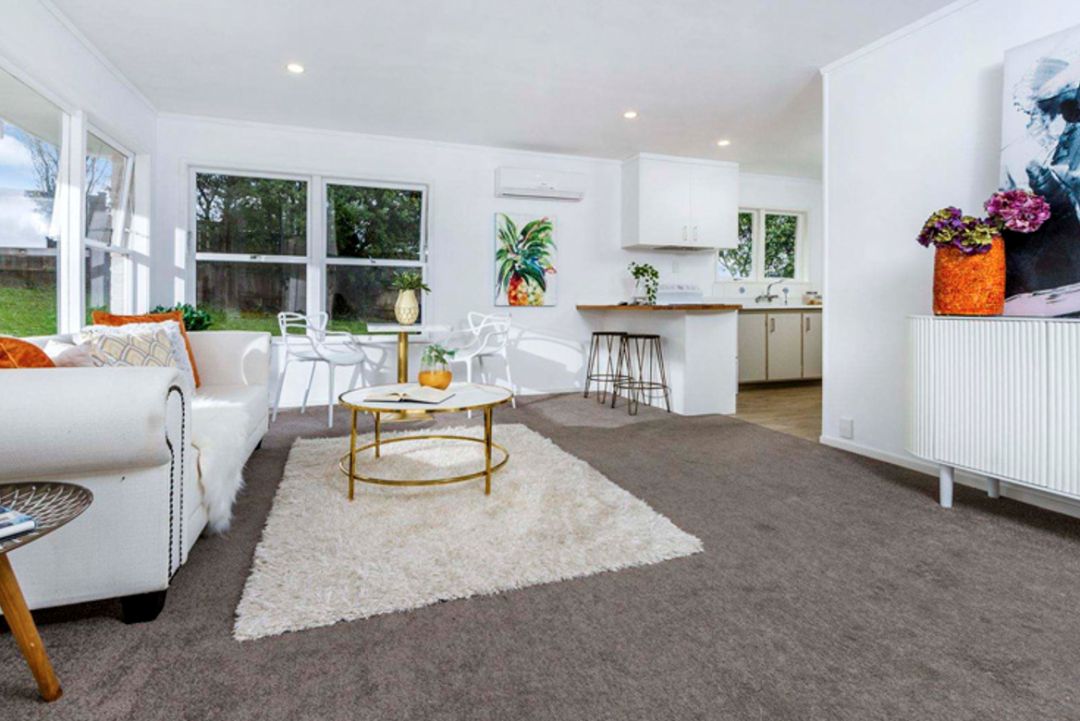
Harcourts agent David Ding mainly sells affordable homes in areas such as Glenfield and Bayview. He says he began seeing buyers use negative market news to push sellers’ prices down in February this year, repeatedly bringing it up during negotiations. At the time, however, sellers would generally dismiss their stance and say “No way” to a price cut. Compared with earlier this year, more sellers have accepted the market’s shift over recent months, while more buyers have adopted a “wait and see” approach. This means that, after half a year of subdued market conditions, sellers are now more willing to accept the market as it stands. Ding says sellers who accept current conditions are still actively selling their properties. One of his listings, at 2A Noeleen Street, Glenfield, attracted eight groups over a single weekend because the sellers had put effort into cleaning and presenting the property. The home will be sold by tender, and Ding confidently says it could sell for 5–10% above market value.
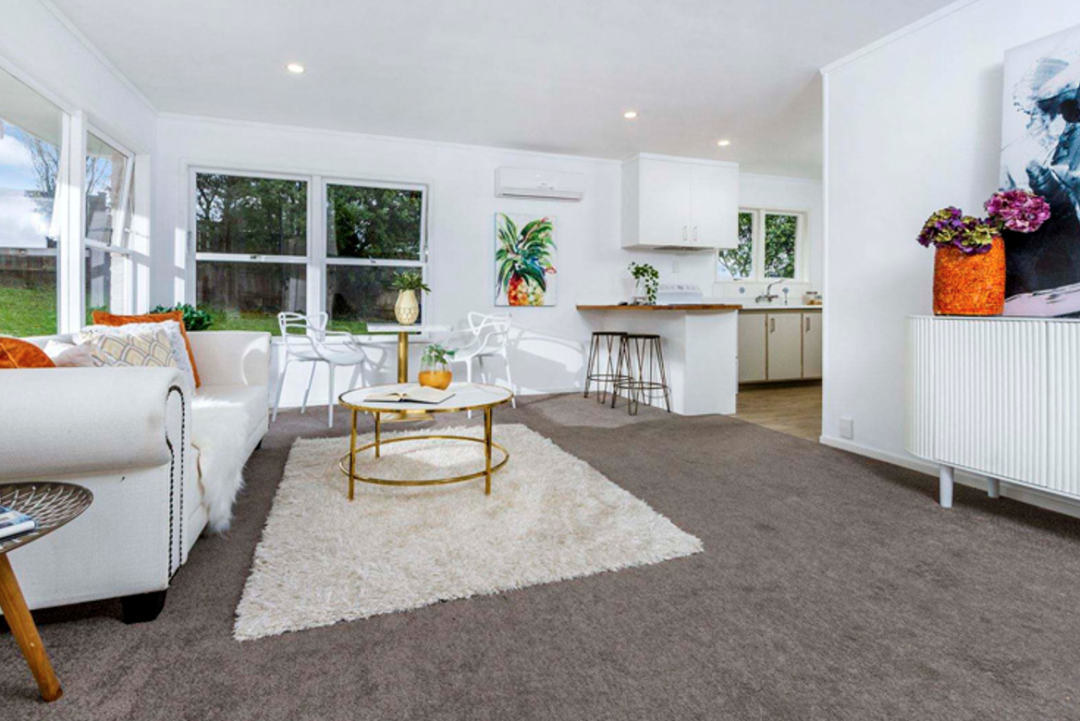
Located at 2A Noeleen Street, Glenfield
A property for sale whose owners have put considerable effort into its presentation
{ad}
Another example came in June this year, when Ding received an offer on a three-bedroom cross-lease property on Simon Ellice Drive in Bayview just 6 days after it went on the market. Although the sellers had turned down an offer at the market’s peak in late 2021, circumstances had changed. Having decided to move their family to Australia, they readily accepted the current buyer’s market and set an appealing asking price of NZ$945,000. Having a price made it easier to attract large numbers of prospective buyers, with 15 to 18 groups visiting over a single weekend. Ding believes buyers will be willing to purchase as long as the price is right.
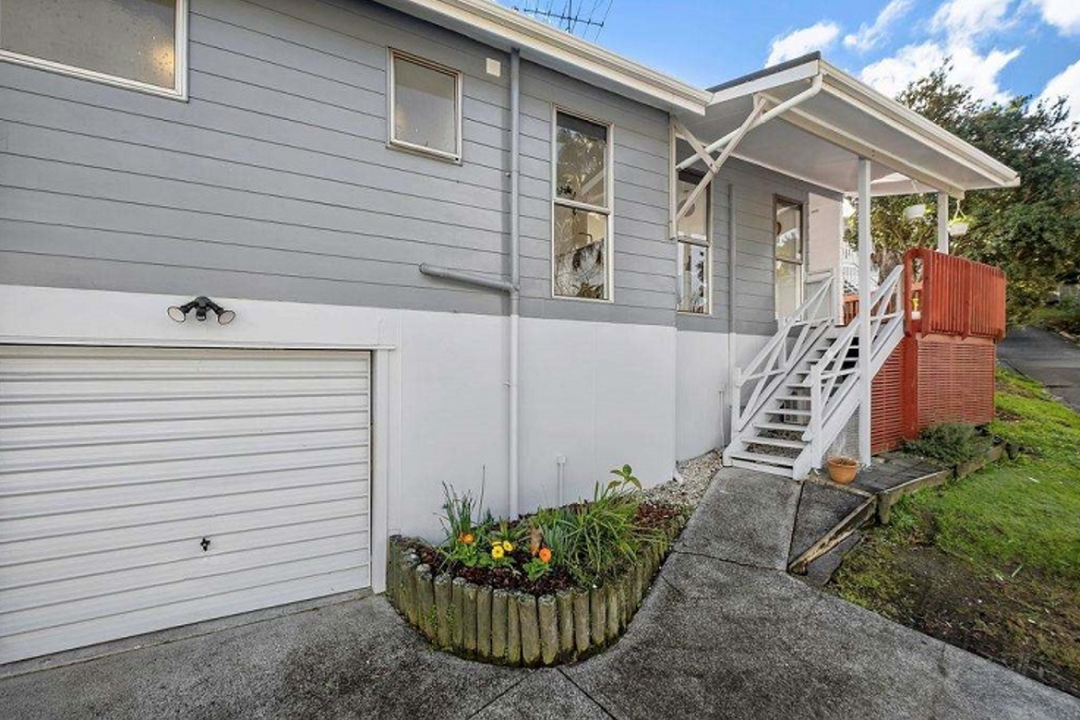
On Simon Ellice Drive in Bayview,
a property that sold quickly after its price was advertised
Having looked at the affordable housing market, let us turn to Auckland’s luxury homes. Jared Cooksley, owner of Ray White Mount Eden, says his agents handle residential sales in premium suburbs including Mount Eden, Mount Albert and Kingsland. Currently, 83% of listings sell within 90 days, around 90% of sellers still consider auctions their preferred selling method, and the branch’s sale rate is just over 60%. He says that although sellers worry about negative news, he usually asks what they want to achieve by selling. Whether prices are at a peak or a trough, the difference between their sale and purchase prices may be the same. Things become more difficult, however, if sellers face financial pressure and need to repay debt.
Bayleys agent Glenn Baker, who sells properties in Onehunga and One Tree Hill, takes an optimistic view of negative market coverage. He says New Zealand news seems to have little to discuss these days apart from house prices, the cost of living and petrol prices. Media coverage of housing is the most extensive he has seen in his 30 years in real estate. He explains to sellers that, although last year’s market was very strong, this year’s house price growth trajectory is also reasonable and closely follows the trajectory between 2018 and 2020. What he cannot accept is using last year’s exceptional conditions as the benchmark whenever the property market undergoes a small correction.
One difference he has noticed is that many sellers are selling before buying. Of his nine most recent sales, four were conditional. If the seller does not have to wait for the buyer’s own property to sell, the contract can move from conditional to unconditional in just a week or two. This suggests buyers are still waiting for homes they like and are ready to enter the market. Notably, he recently sold a five-bedroom townhouse on Tawhiri Road in One Tree Hill within six days of listing it, to the first person who viewed it. He also says open home attendance and buyer enquiries rose noticeably during the last two weeks of July.
Barfoot & Thompson managing director Peter Thompson believes there is no inherently good or bad market timing for buyers and sellers. Nevertheless, he acknowledges that the property market is in “winter”, and that recession and the pandemic are realities everyone currently faces. With New Zealand having just reopened to international travel, he believes the housing market’s “winter” will pass and is confident that “spring” will arrive. He predicts the next headline will be: “More property sales are under way…”