
Home buyers and homeowners, are you prepared for mortgage rates to rise to 8%?
There is no denying that tomorrow's official cash rate (OCR) review announcement from the Reserve Bank of New Zealand (RBNZ) is expected to bring another increase. Before analysing where lending rates are heading, YIJU's editorial team would like to revisit some historical figures:

There is no denying that tomorrow's official cash rate (OCR) review announcement from the Reserve Bank of New Zealand (RBNZ) is expected to bring another increase. Before analysing where lending rates are heading, YIJU's editorial team would like to revisit some historical figures:
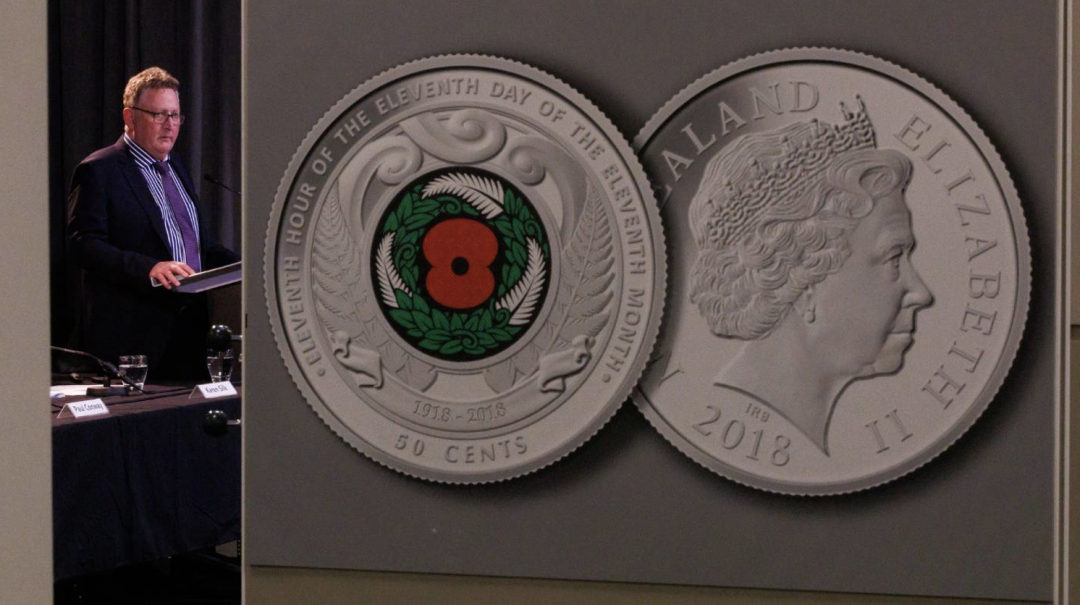
Reserve Bank of New Zealand Governor Adrian Orr
OCR Historical figures
- If the OCR rises by another 50 basis points this Wednesday, it will mark an unprecedented fifth consecutive increase of 50 basis points by the Reserve Bank;
- If the OCR rises to 3.5% this week, it will reach its highest level in the past 7 years, since June 2015;
- An OCR of 3.5% would mean a total increase of 275 basis points in this tightening cycle, setting a record for the largest increase since the Reserve Bank introduced the OCR in 1999. With one final review remaining this year, the Reserve Bank is very likely to raise it by another 50 basis points in November. This would bring the total increase in this cycle to a staggering 325 basis points by November this year.
- A previous tightening cycle that also delivered 325 basis points of increases ran from January 2003 to July 2007.
Next, let us look back at the Reserve Bank's OCR increases in the current cycle:
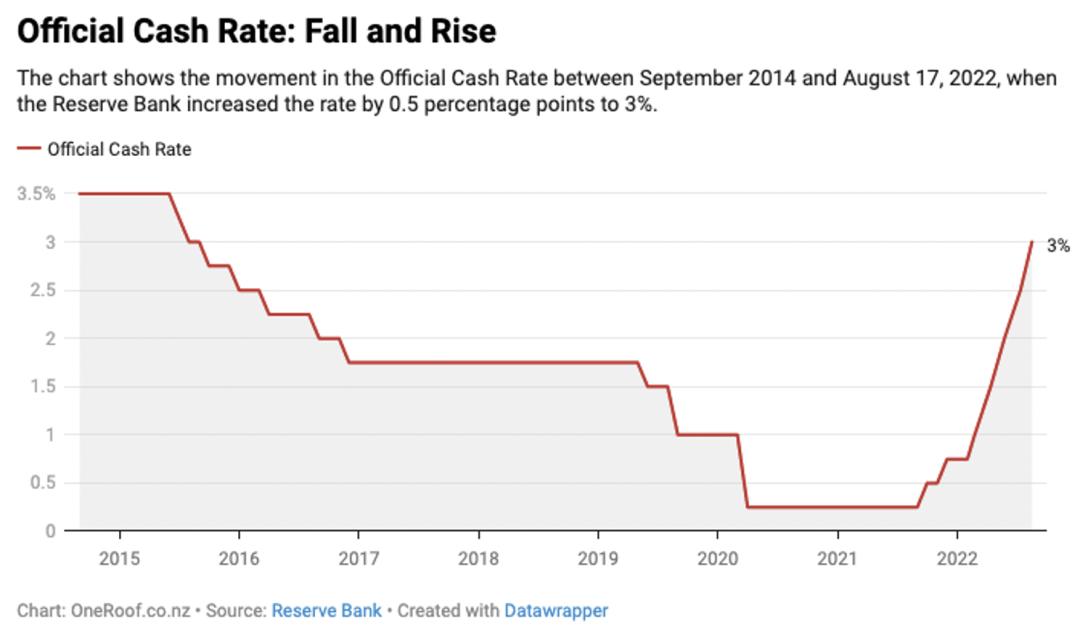
2014-9 to 2022-8: OCR movement chart
A year ago, in October 2021, the Reserve Bank of New Zealand began a new era of interest rate increases, its first since 2014. After initially raising the OCR by 25 basis points from its historic low of 0.25%, it continued lifting it to the current 3%. Many economists believe the Reserve Bank will remain firmly committed to tackling high inflation after Stats NZ announced in August this year that CPI inflation had reached 7.3%, its highest level in 21 years. Another 50-basis-point OCR increase tomorrow therefore appears clear. It also looks increasingly unlikely that interest rates will peak in November, when the Reserve Bank releases its final Monetary Policy Statement of the year. Many commentators say further OCR increases will take it beyond the peak of around 4% they forecast earlier this year.
War, global economic instability and the New Zealand dollar's plunge on international foreign exchange markets are constant reminders that New Zealand homeowners may face the pressure of higher mortgage rates next year.
Economists' interpretations
Kiwibank economists Jarrod Kerr and Jeremy Couchman say an OCR peak of 4% cannot curb the current surge in inflation, warning that the OCR could rise further next year. If inflation cannot be brought under control, the Reserve Bank will clearly favour tougher monetary tightening.
ANZ chief economist Sharon Zollner believes the OCR will peak at 4.75% next year. Homeowners last saw rates this high 13 years ago, but mortgage balances were much smaller then. Zollner also believes ordinary New Zealand households should be able to withstand the risk of higher mortgage rates resulting from an OCR of 4.75%.
Infometrics chief forecaster Gareth Kiernan believes the Reserve Bank of New Zealand will raise the OCR to 4% before the end of this year. His forecast for next year is more moderate, with just two smaller increases of 0.25%. He advises New Zealanders to prepare for expected increases in fixed and floating mortgage rates rather than readily accepting recent predictions that rates are near, or have already reached, their peak. He even suggests people should perhaps prepare for one-year fixed mortgage rates to approach 6.5% in the first half of next year. He worries that if rates exceed the test rates banks used last year, some homeowners who bought at the market peak could face the risk of being unable to repay their loans.
Certainly, the factors driving the Reserve Bank of New Zealand's decisions to raise rates extend beyond the immense pressures on the domestic economy.
Last week's UK 'mini-budget' triggered a collapse in British markets, forcing the Bank of England to intervene to prevent a frantic run on the country's pension funds. The central bank's efforts to control high inflation will also deal a severe blow to British homeowners: mortgage rates will continue rising, while house prices are expected to fall by as much as 20% or more. Gareth Kiernan says a range of factors will keep pushing New Zealand interest rates higher, including the UK's mini-budget, the continuing war in Ukraine, persistently high US consumer price index (CPI) figures and the New Zealand dollar's cumulative 20% decline against the US dollar since last year.
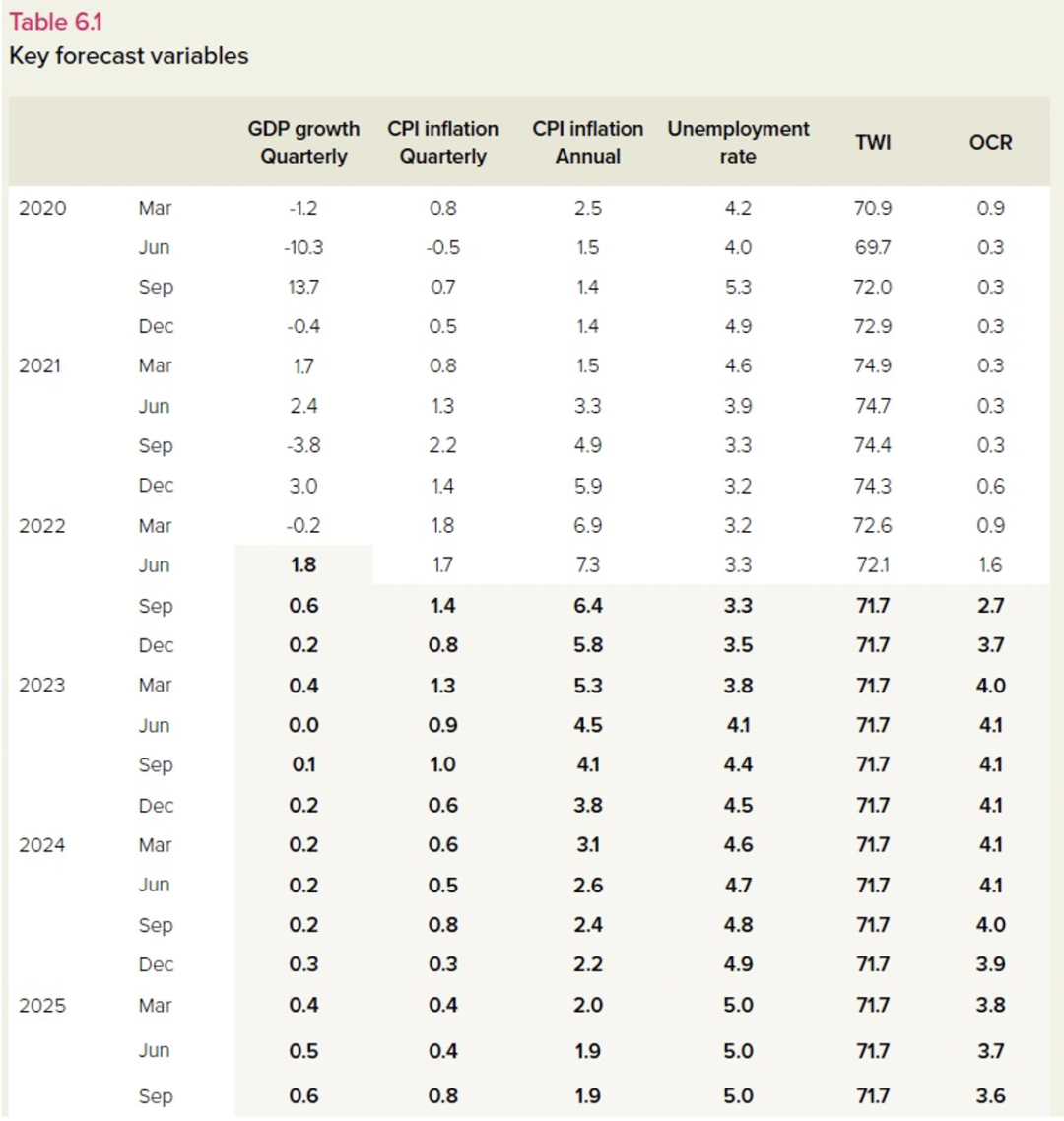
2020-2025 Key New Zealand economic indicators and forecasts
The current mortgage market
Returning to our opening question, how can home buyers and homeowners prepare for further mortgage rate increases? First, when applying for a bank loan again, they need to convince the bank they can afford repayments at an interest rate of around 8%. Only then can they ensure their mortgage application is approved.
ANZ and ASB currently have some of the highest mortgage stress-test rates in the market, at 7.95% and 8.15% respectively. Just four months ago, both banks were still testing mortgage applicants at 7.35%. Several other banks have comparatively lower stress-test rates: BNZ uses 7.5% and Kiwibank 7.25%. Westpac is testing borrowers' ability to cope with an additional 2.5% on their mortgage rate. In other words, borrowers applying for Westpac's special two-year fixed rate of 5.65% must be able to repay their loan at 8.15%.
YIJU's editorial team clearly remembers that two years ago, as mortgage rates fell sharply, commercial banks kept their test rates between 6% and 7%. The Reserve Bank warned at the time: 'If mortgage rates rise above these test rates, borrowers will face a substantial risk of default.' According to the latest interest.co.nz figures, although some commercial banks now offer two-year fixed rates above 6%, the average two-year fixed mortgage rate currently paid by New Zealand borrowers is only 5.47%. The Reserve Bank expects that although this group, which accounts for a large share of mortgages, will not immediately face severe repayment pressure, further monetary tightening and rising repayment costs will substantially reduce household disposable income. Prospective buyers will also need greater repayment capacity to secure finance.
Banks' current lending rules
Commercial banks are continuing to manage mortgage risk by limiting the proportion of lending to borrowers with small deposits. The Reserve Bank's loan-to-value ratio (LVR) rules mean new lending to owner-occupiers with deposits below 20% cannot exceed 10% of the total. Meanwhile, new lending to investors with deposits below 40% cannot exceed 5% of the total. Banks are continuing to turn customers away to comply with these rules and manage their lending risk amid rising interest rates and falling house prices. ANZ and BNZ reportedly require applicants with deposits below 20% to be existing customers and meet their other lending criteria before approval is possible. Several banks say pre-approvals for new loans to borrowers with deposits below 20% remain on hold to ensure they do not exceed the Reserve Bank's LVR limits.
Overall, mortgage lending by commercial banks continues to fall back towards pre-pandemic levels seen in 2019. As YIJU New Zealand reported last week, banks' housing lending in August this year was down as much as 34% compared with August last year.