
Another 263 creditors revealed after failed Auckland developer faces NZ$55,700,000 in claims
In July this year, the New Zealand Herald reported that two construction companies, DDL Homes Ormiston and DDL Homes Ormiston 2020, were in liquidation and voluntary receivership, facing creditors’ claims totalling NZ$55,700,000.
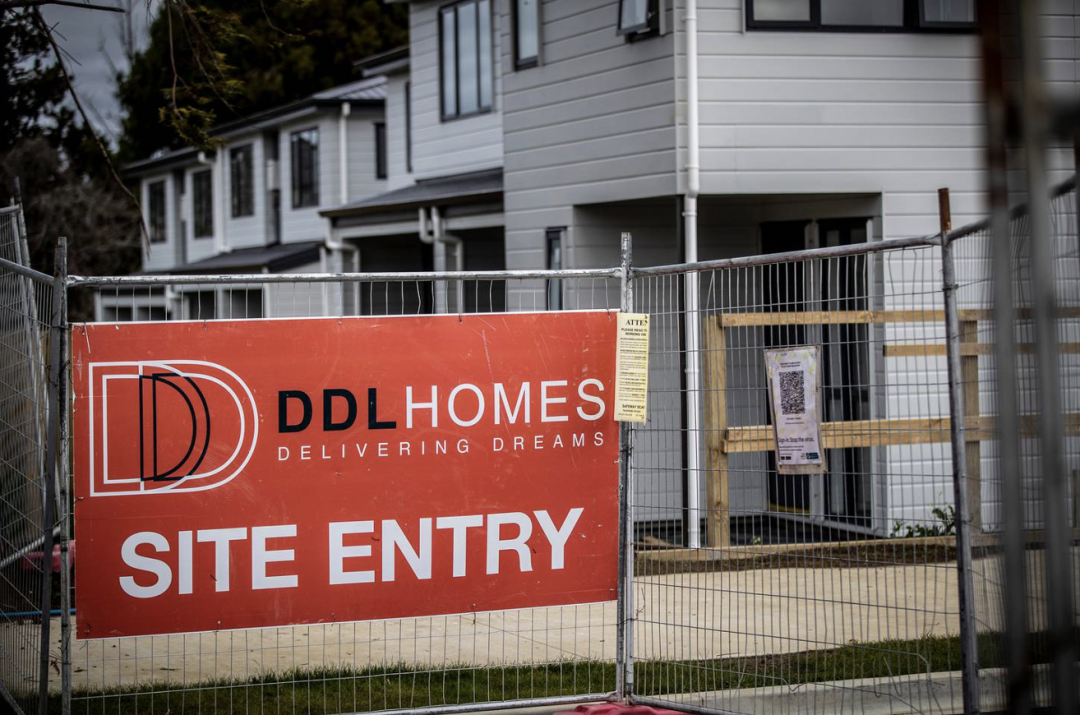
In July this year, the New Zealand Herald reported that two construction companies, DDL Homes Ormiston and DDL Homes Ormiston 2020, were in liquidation and voluntary receivership, facing creditors’ claims totalling NZ$55,700,000.
{ad}
The news caused an uproar across Auckland’s construction industry. However, the collapse of these two DDL companies was not their first trouble to make headlines. In June last year, reports emerged that a 20-tonne excavator had severely damaged an almost completed DDL house in Ormiston, Flat Bush, worth NZ$675,000.
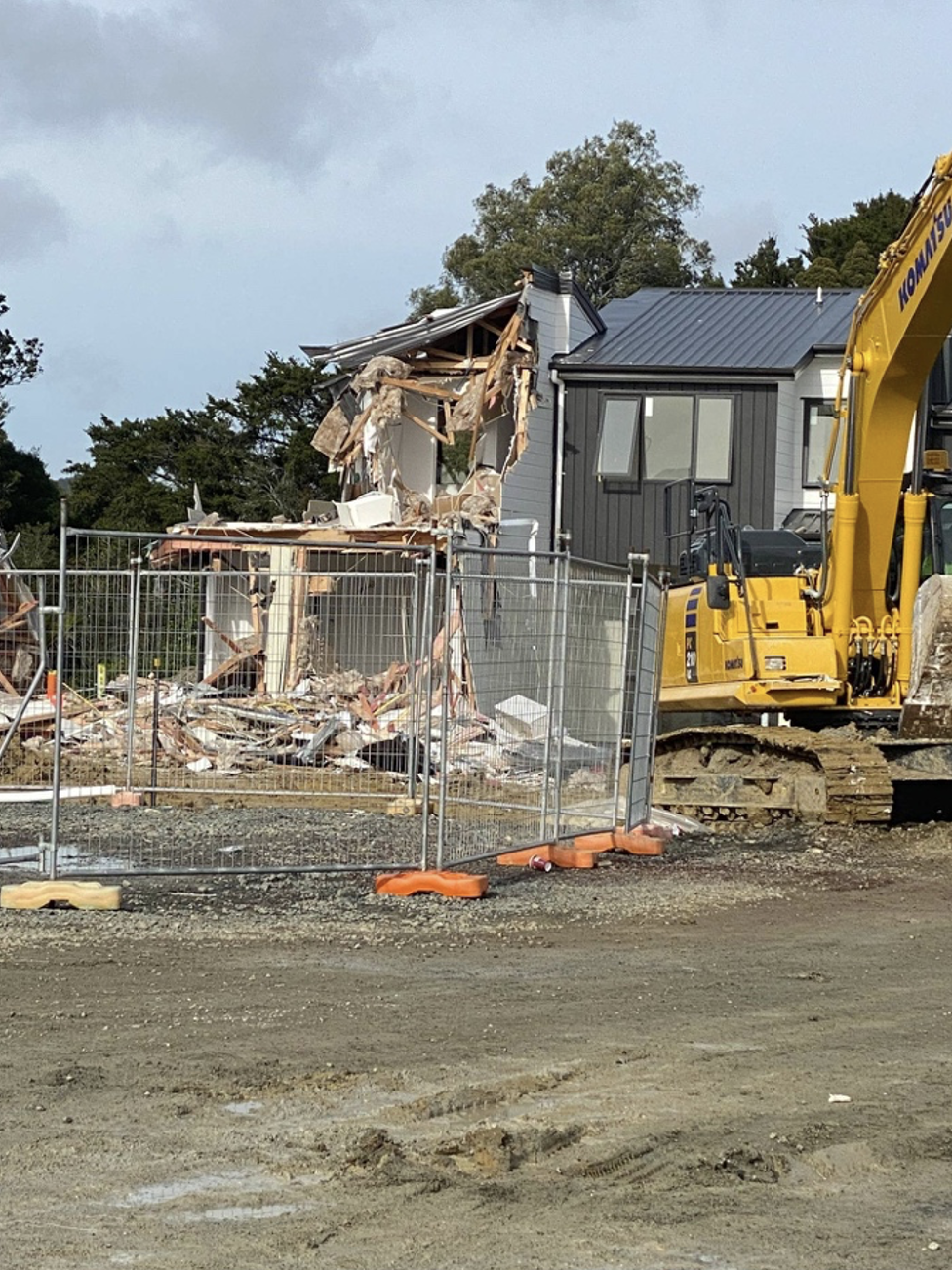
DDL’s house in Ormiston, Flat Bush, worth NZ$675,000, was severely damaged
A list supplied by Baker Tilly Staples Rodway Auckland, the liquidators handling the failed project, showed that 34 businesses had lodged claims at the time. Auckland Council, Auckland Transport and Watercare Services were all among them. More surprisingly, the developer also owed Auckland Council and utility providers fees for building consent and resource consent applications. Watercare lodged claims for infrastructure costs, including installing water meters for the developer, while Auckland Transport sought payment for road and footpath construction work.
Electricity and gas distributor Vector was also a creditor. A spokesperson said that when developers needed a new connection to the electricity network, they were required to pay a contribution towards developing the supporting network infrastructure. Five AM Realty in Howick and Mountfort Estate Agents in St Heliers, which acted as sales agents for DDL’s developments, were also on the list.
Other creditors included Ponsonby law firm Steindle Williams Legal; financier Vincent Capital; East Tamaki building materials supplier Carters; an engineering design company in Timaru; Papamoa geotechnical investigation and surveying company Geolab; Blockhouse Bay engineering consultancy Harmya; Mount Albert architectural design company Helen Mellsop Landscape; HSCNZ in St Lukes; Kardon Consultants in Devonport; Khar Consultants in Auckland; KTK Concrete Pumping in Hillpark; NZ Civil Structure in East Tamaki; Peppertree Consulting in Oraki; Stamford Insurance on Shortland St; Spectrum Aluminium 2011 in Whitiora; and White Associates on Wellesley St.
It has recently emerged that a civil engineering company employing 75 staff on DDL’s large apartment and townhouse development in South Auckland has also entered liquidation. A recent report on DDL Homes Central by liquidators Grant Reynolds and Pritesh Patel said the company was working on a 180-home development at 397 Ormiston Rd. It had been dragged down by two related businesses that collapsed several months earlier, leaving debts of NZ$18,000,000. DDL Homes Central also owed substantial sums to as many as 263 creditors. The 75 employees reportedly worked in administration, project management, site management, electrical work, concreting, painting, plumbing and other construction trades. All were made redundant in the middle of this year.
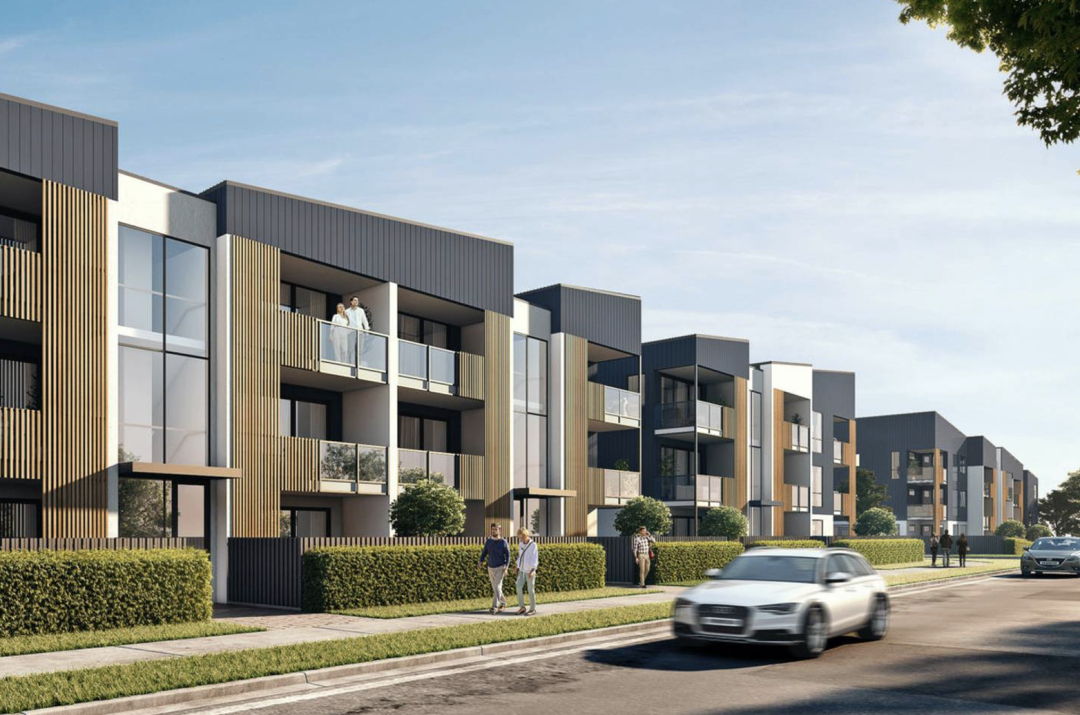
DDL’s development at Ormiston Heights, Flat Bush: plans for new apartments
DDL’s slogan is “Delivering dreams”, but buyers who paid 10% deposits when purchasing off the plans clearly would not feel that way. Despite assurances from receivers over recent months, buyers have continued to complain about construction delays. They do not know when the work will be completed or whether its quality will meet the required standards. The DDL Homes Central report released on 7 October said the company owed unsecured creditors NZ$4,000,000. Related parties had NZ$22,000,000 in available assets, although which assets were included remained subject to assessment and confirmation.
Thoughts and reflections
As DDL Homes and its related businesses enter liquidation, we can see the deeply damaging and far-reaching effects on the property and construction industries. Both the scale of the debts and the number of creditor companies involved are unprecedented in the construction industry. We cannot help asking: how could such a tragedy occur in a property sector that has experienced such rapid growth and unprecedented prosperity in New Zealand in recent years? Many homes in these failed developers’ projects had already been sold. This means buyers have lost a valuable investment opportunity, while developers cannot honour the investment commitments they made in earlier contracts. Homebuyers, particularly first-home buyers, now face rejected mortgage applications and an inability to settle their purchases amid high house prices and sharply rising interest rates. We do not know how many more builders and developers will face cash-flow crises. How to avoid liquidation is therefore the greatest shared challenge facing every construction business manager.