
Developers and builders speak out: as the housing market faces downward pressure, how are they faring?
Lately, we have occasionally heard negative comments such as 'the townhouse market is oversupplied' and 'investors have lost interest in buying investment properties and have temporarily left the market'. Some in the construction industry, however, say that while buyer demand for new homes has fallen compared with last year and conditions are difficult, the outlook is not as bleak as some suggest.

Lately, we have occasionally heard negative comments such as 'the townhouse market is oversupplied' and 'investors have lost interest in buying investment properties and have temporarily left the market'. Some in the construction industry, however, say that while buyer demand for new homes has fallen compared with last year and conditions are difficult, the outlook is not as bleak as some suggest.
{ad}
There is no denying that developers and builders face numerous difficulties, including rising construction costs, labour shortages, building material supply shortages and delays, and tighter access to finance. BWA's latest insolvency report shows that construction had the highest number of company insolvencies in New Zealand between July and September, up 50% year on year to 107. So how are developers and builders faring in the current market?
Developers' dissatisfaction with policy
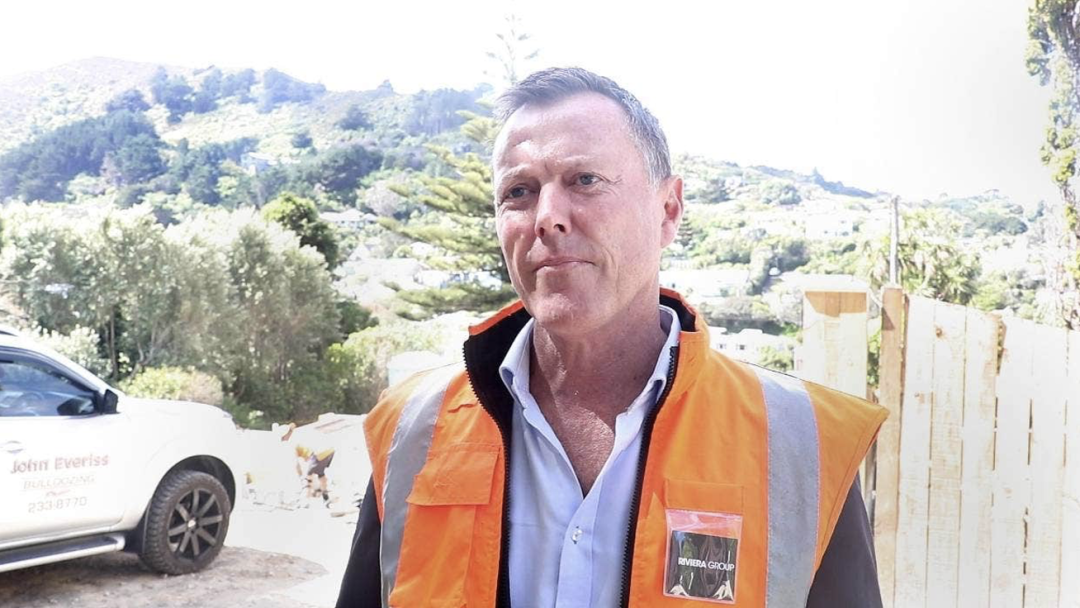
Riviera Group director Greg Shackel
Greg Shacke, a director of developer Riviera Group, recently told the media that many of its developments would go into 'hibernation' as market conditions changed. The company has already paused a townhouse development and is considering waiting until another project is completed before starting to market it. He said only about 10% of buyers were still willing to buy off the plans, typically waiting at least a year for construction to finish. Faced with continually rising construction and labour costs, developers were also reluctant to bring new projects to market, matching the limited appetite among buyers willing to purchase off the plans.
Shackel said bluntly that buyers were finding it increasingly difficult to obtain loans, making off-the-plan developments very challenging to sell in the current market. New lending rules under the Credit Contracts and Consumer Finance Act (CCCFA), introduced in December last year, had limited many buyers' access to finance and significantly affected off-the-plan sales. Developers clearly needed presales to fund their projects. With interest rates currently too high, failure to secure signed presale contracts would directly affect companies' cash flow and development progress.
Greg Shackel also expressed dissatisfaction with some of Wellington City Council's stringent—and, in his view, pointless—requirements for new developments. The council required household wastewater and stormwater to flow into the city's already overloaded wastewater and stormwater collection systems, while the required stormwater tanks alone cost about NZ$20,000 each.
Concerns about rising construction costs
YIJU New Zealand previously reported that rapidly rising house construction costs were the main reason CPI reached a high of 7.2% in the third quarter this year. Stats NZ estimated that new-home construction costs increased 3.3% in September, taking annual inflation in these costs to 16.8%. Its report attributed the continuing price increases to 'building material supply chain issues, labour costs and greater industry demand'. Shackel estimated that construction costs had risen 15%, with some building materials up as much as 25%. This had certainly squeezed developers' margins substantially. If his company wanted to price its off-the-plan properties more competitively, it had to absorb these construction cost increases itself. He also said builders' severe shortages of basic materials needed to be addressed. Councils should allow more alternative materials to prevent a repeat of situations such as the GIB shortage earlier this year.
The industry's outlook
Signature Homes chief executive Paul Bull said the number of homes his company sold this year had fallen 24% compared with the same period last year, while sales revenue was down 18%. This meant this year's business volume was only 75% of that in 2021. He said that, compared with last year, buyer enquiries were at historical average levels, but had picked up since spring. He hoped this would continue, as good weather would encourage more buyers to pay attention to the property market. In his view, the market was moving in a positive direction. Many indicators and figures pointed to ongoing demand for new homes, immigration would recover, and many migrants recently granted residence through the one-off pathway were eager to own a home soon. For buyers, however, much depended on successfully obtaining finance. He was concerned that further interest rate rises would have a significant negative impact on demand.

Stonewood Homes director John Chow
Stonewood Homes director John Chow had similar concerns. He said people were waiting to see what happened with interest rates and construction costs, prompting many considering building a home to adopt a wait-and-see approach. He believed now was the best time to build, although many might need to adjust their budgets and expectations, such as by choosing a smaller home. Construction costs had now stabilised, and shortages of many building products had been resolved. He expected buyer enquiries to return to pre-pandemic levels early next year.
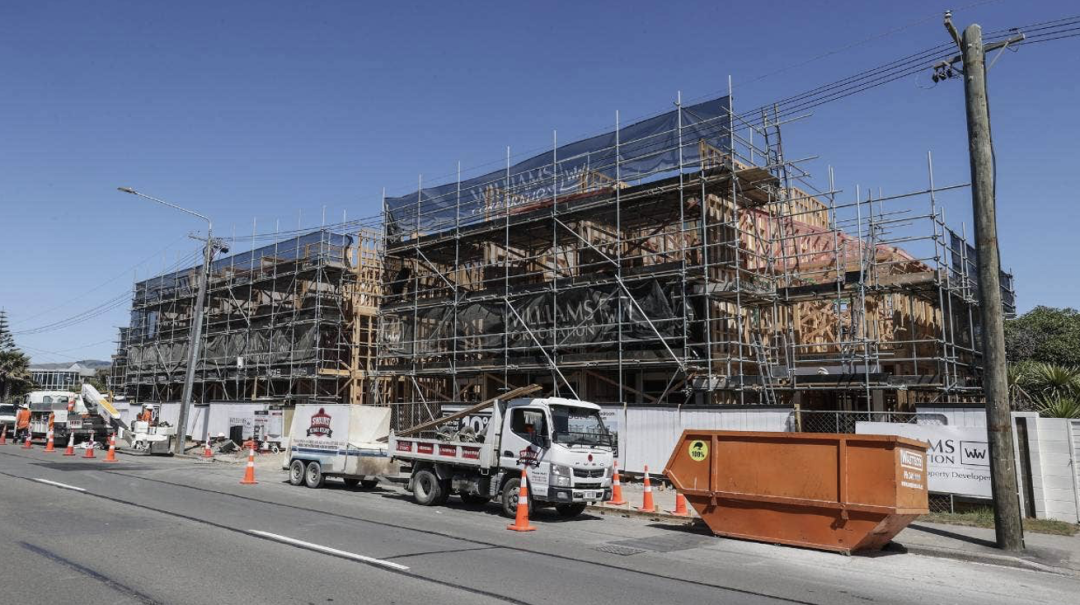
Williams Corporation A townhouse development under construction in Christchurch
Williams Corporation managing director Matthew Horncastle said he believed the property market was gradually recovering. People might feel that the market had bottomed out and would begin to stabilise, and his team had received more customer enquiries than during the winter. His company, one of New Zealand's largest builders, currently had 36 projects underway nationwide. Although sales volumes were down about a third from last year's 800, he said the market was returning to normal sales levels.
Ockham Residential head of sales Kate Duncan said this year's market was very different from last year's. At the market's peak, they could sell an apartment every day, but they knew that demand could not last and had prepared for a slowdown in new developments. Her team saw a surge in enquiries last month, and a newly launched apartment project sold four units in its first week on the market. Of the company's five apartment developments due for completion next year, three were sold out and the other two were progressing well. Duncan said that although the company had benefited considerably from last year's booming market, it took no quiet delight in that. A healthy property market required people to take a more rational approach, with buyers making considered decisions once they were no longer driven by FOMO.