
Experts warn: interest rate rises will cost property investors NZ$50,000, with higher costs likely to be passed on to tenants
Since Stats NZ released higher-than-expected inflation figures three weeks ago, commercial banks have completed another round of fixed mortgage rate rises. Fixed rates across almost all terms are now about 0.5% higher than at the beginning of last month.
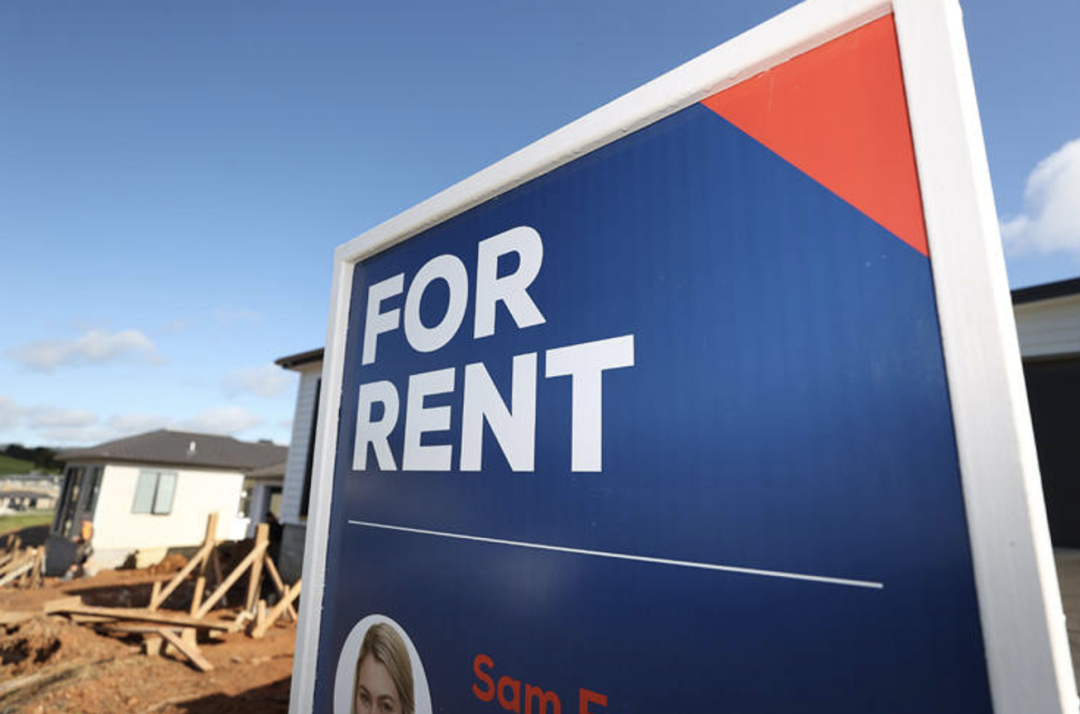
Since Stats NZ released higher-than-expected inflation figures three weeks ago, commercial banks have completed another round of fixed mortgage rate rises. Fixed rates across almost all terms are now about 0.5% higher than at the beginning of last month. So how much have rising borrowing costs affected the residential property market so far? We explore this question through the latest monthly survey of real estate agents conducted by well-known independent New Zealand economist Tony Alexander and REINZ.
{ad}
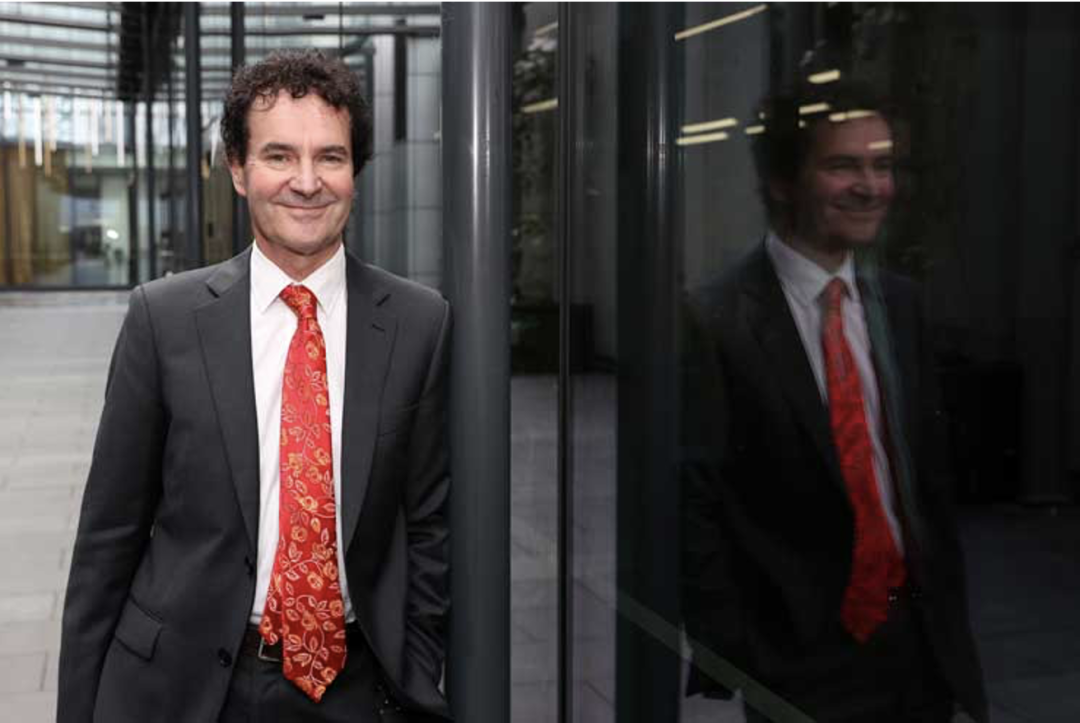
Well-known independent New Zealand economist Tony Alexander
Tony Alexander drew four conclusions from the latest monthly survey:
1
First, buyers' appetite for property has eased somewhat. In late September, 19% of real estate agents said they were seeing more prospective buyers at open homes. Now, only 3% say the same. Rising interest rates may have prompted buyers to pause their property viewings for a while.
2
Second, first-home buyer numbers have dipped slightly. Currently, 15% of agents say they are seeing more first-home buyers looking for opportunities in the market, compared with 27% a month ago, when the survey recorded its most optimistic result since 21 February. Owner-occupiers still appear to dominate the market, particularly in Wellington, Hawke's Bay, Canterbury and Auckland, where 19% of agents share this view.
3
Third, 28% of agents said property investors were pulling back. The latest survey shows that nearly half of agents (48%) believe investors are disappearing from the market. This suggests that greater difficulty obtaining loans and higher financing costs have left most reluctant to buy another property.
4
Fourth, there is no sign that property investors are selling off their holdings. Since tax changes were announced in March last year, many have predicted a wave of investor sales. So far, however, although investors are disappearing as buyers, there is no evidence that they are actively selling properties either.
This raises a question: if most owners have not sold their investment properties, how are they coping with the considerable financial pressure of rising interest rates? Experts say plainly that more landlords will have little choice but to ask their tenants to shoulder some of the additional mortgage repayment burden.
Mortgage adviser Kris Pedersen said investors' finances had already taken a substantial hit from changes to government tax policy and the effects of the Credit Contracts and Consumer Finance Act (CCCFA) on lending application rules. Like other borrowers coming off low fixed rates, they will face the repayment pressure of rates of 6% to 7% when they refix, while rental income from their investment properties can no longer cover the high mortgage costs.
Early last year, the Government announced that mortgage interest deductibility would be phased out. Investors can currently deduct 75% of their mortgage interest from property income, but this will fall to 50% in April and eventually to zero. The policy has dealt a heavy blow to many investors. Pedersen said the Government may not have envisaged mortgage rates climbing so high when it changed these policies.
The third change making it difficult for investors to make ends meet was the tightening of CCCFA rules in December 2021. This also had a significant impact on investors who intended to pay only the interest on their mortgages. Pedersen said borrowers previously found it easy to renew interest-only arrangements. Now, banks must put investors through a series of loan application procedures, forcing them onto principal-and-interest repayments. This will substantially increase their monthly repayment burden, especially for borrowers suddenly moving from 2.5% to rates above 6%. One of Pedersen's clients faces a similar problem: repayments on their NZ$1,000,000 loan will now cost as much as an additional NZ$50,000 a year.
Pedersen said bluntly that the investors hardest hit by interest rate rises are small investors who bought a property to prepare for retirement. Larger investors have weathered the toughest times before and are prepared to withstand risks.

Property commentator Sharon Cullwick says many landlords have few options for dealing with rising interest rates
Property commentator and former New Zealand Property Investors' Federation executive officer Sharon Cullwick said some investors still had very low mortgage rates, but these fixed terms would expire within six months. If banks then required them to switch to principal-and-interest repayments, they could struggle to meet their payments. The latest figures from Barfoot & Thompson show that Auckland rents continue to rise, with annual increases reaching 6.49% in some areas. Investors are clearly trying to cover some of their additional mortgage costs by raising rents. But she said this was not easy: landlords could not keep asking for higher rents indefinitely. She also noted that property investors' insurance costs were rising sharply, alongside pressure from increasing council rates. Some owners might also face substantial costs to upgrade their rental properties to meet Healthy Homes standards. Together, these expenses could become unaffordable.

Mortgage adviser Gareth Veale Many investors are moving from interest-only to principal-and-interest repayments
Mortgage adviser Gareth Veale gave a real example involving a client who owns 10 properties. Interest rate rises alone have increased the repayment cost of each property by an average of NZ$180 a week. Across all 10 properties, that amounts to an extra NZ$1800 a week, or NZ$93,600 a year. Veale said the client had managed to raise the average rent on her properties from NZ$420 to NZ$575 a week, meaning that, so far, she only needed to pay an additional NZ$13000 a year out of her own pocket. However, this does not account for the tax impact of losing full interest deductibility or other additional expenses, such as higher insurance premiums.
Gareth Veale suggested that borrowers whose banks were moving them from interest-only mortgages to principal-and-interest repayments could apply again with banks that were relatively easier to deal with. However, this might also mean selling a property to meet refinancing requirements. Some non-bank lenders also offer investors 20-year interest-only mortgages, although their rates are slightly higher than those offered by banks.