
Are you experiencing these challenges facing the construction industry?
According to the latest Sector Trends Report released this month by New Zealand's Ministry of Business, Innovation and Employment, construction contributed NZ$18,100,000,000 to the country's GDP last year, accounting for 6% of the economy.

According to the latest Sector Trends Report released this month by New Zealand's Ministry of Business, Innovation and Employment, construction contributed NZ$18,100,000,000 to the country's GDP last year, accounting for 6% of the economy. The annual report's figures show that New Zealand's construction industry has reached a new high, with NZ$67,300,000,000 worth of projects awaiting construction. Their total construction value is 12.4% higher than a year earlier. Yet while construction costs keep rising, the homes being built are getting smaller. This reflects the multiple crises facing the industry, including soaring building material prices and a shortage of construction workers.
{ad}
The following figures illustrate the challenges the construction industry is facing.
18.3% increase in construction costs
The report shows that the cost of building a new home rose by 18.3% in the year to the end of June, driven mainly by higher building material costs. Timber prices rose by 17.1%, concrete prices by 6%, and construction labour costs by 4.2%, considerably more than the average labour cost increase of 3.4% in other industries. According to Canstar, the average cost of building a home in Auckland in 2022 was NZ$378,210, compared with NZ$499,509 in Northland.
406 days to build a home
A Stats NZ report shows that new homes are taking longer to build. In the year to the end of March, the average time from the issue of a building consent to obtaining a code compliance certificate was 406 days, compared with just 387 days in 2020. Looking ahead, the industry's prospects are notable: over the next 20 years, the number of households in New Zealand is expected to grow by 26.4%, from 1,800,000 in 2018 to 2,300,000 in 2043.
In the year to the end of September 2022, building consents were issued for 50732 homes, up 7% on the previous year.
Hourly pay of 34 New Zealand dollars
The report shows that construction workers in New Zealand earned an average of NZ$33.99 an hour in the second quarter of 2022. Around half of the 25,000 people who entered the industry in 2020 have since left. Nevertheless, construction has become New Zealand's third-largest employer, with around 295,300 people currently working in construction-related roles. According to figures released by the Workforce Development Council, the industry needs at least 281,809 more workers to complete the NZ$67,300,000,000 worth of projects under construction in 2022.
Number of people injured: 38,600
Working on construction sites is highly dangerous. In 2021, the industry lodged 38,600 work-related injury claims, up 5.8% on 2020. The report says construction had the highest number of work-related injury claims of any industry, accounting for 17% of all such claims. As many as 9 people died in construction-related accidents at work.
220 construction companies closed
New Zealand currently has 70629 construction companies, of which around 2100 have annual turnover exceeding NZ$5,000,000. Among the remaining companies, which make up the overwhelming majority, around 75.9% have annual turnover below NZ$500,000. In the year to the end of May, 220 companies registered as construction businesses were liquidated, accounting for 19% of all company liquidations during that period.
How can builders effectively address the pressures of rising labour and building material costs, material supply delays, and construction delays caused by worker shortages? Some good news from the market is that an organisation established last week, the Vertical Construction Leaders Group, is expected to begin tackling these difficult industry issues.
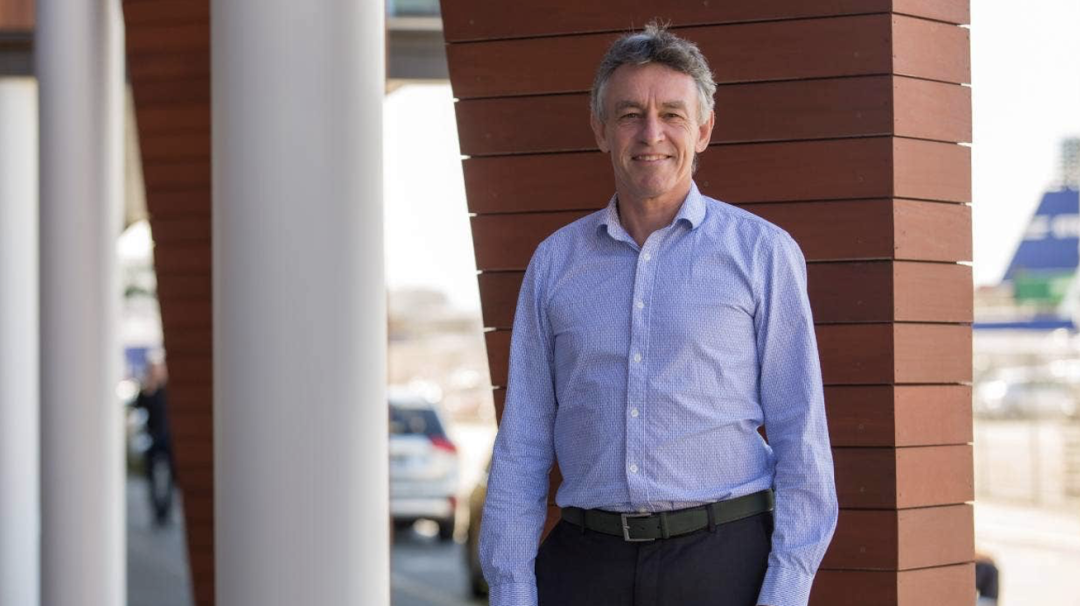
Vertical Construction Leaders Group leader David Kelly
The group's leader, David Kelly, who is also chief executive of Master Builders, was frank: skilled worker shortages are nothing new for construction, but as the problem worsens, it is having a substantial impact on labour costs. Although apprentice numbers are increasing, the industry needs more experienced workers, and bringing in skilled people from overseas has become more difficult. Commercial construction faces challenges similar to those in residential construction, but the greater scale and complexity of commercial projects make them harder to address. A survey found that 42% of respondents were working on commercial projects costing more than NZ$100,000,000, with construction periods of at least two years. Kelly said most of these projects required teams spanning more than 30 trades. This makes the industry's challenges more complex, with greater cost increases and delays than in residential construction, as well as greater investment risks for contractors and owners.
David Kelly explained that the Vertical Construction Leaders Group is a collaborative organisation comprising representatives from 72 of the country's largest construction companies. It will bring together related industries and government agencies to address the many difficult issues affecting construction productivity and causing delivery delays. He believes solving these problems requires everyone to change their thinking, particularly when addressing procurement and leadership challenges. He hopes to establish more effective cooperation with the Government from the outset, so that building material procurement can withstand more rigorous risk assessment, benefiting the entire industry and all stakeholders.
YIJU New Zealand reminds readers to visit the organisation's official website for more information: https://www.verticalleaders.co.nz/