
Can you accept commercial banks making huge profits while everyone tightens their belts amid high interest rates?
Westpac New Zealand recently revealed that it needs to contact around 1000 customers each month whose mortgage terms are about to expire, warning them that their repayments could increase substantially.

Westpac New Zealand recently revealed that it needs to contact around 1000 customers each month whose mortgage terms are about to expire, warning them that their repayments could increase substantially. According to Westpac chief executive Catherine McGrath, around 50,000 of the bank's mortgage borrowers will reach the end of fixed terms with rates below 4% later this year or in the first 3 months of 2023. Although McGrath said the bank was not currently seeing any borrowers struggling with repayments, it is undeniable that these borrowers will face enormous repayment pressure.
{ad}
YIJU has observed a polarisation in the current economy. High inflation, rising mortgage rates and falling house prices are rapidly eroding ordinary people's wealth, leaving households with less and less disposable income. While many households and businesses are struggling painfully through the economic downturn, the major commercial banks are posting record profits and reaping enormous returns, at odds with the wider economic situation.
How are banks making such large profits?
In the year to the end of September, ANZ recorded an after-tax profit of NZ$2,000,000,000, up 8% on the previous year. Westpac's profit reached NZ$1,116,000,000, an increase of 12%. In the 12 months to 30 September, ANZ's home lending increased by NZ$5,300,000,000 to NZ$104,000,000,000. This again reflects how the banking sector's enormous profit margins are generated by interest on record levels of household mortgage debt. Reserve Bank figures show that, by the end of September, household and business debt owed to banks had risen to NZ$539,000,000,000, from NZ$423,000,000,000 five years earlier.
Last Wednesday, the Reserve Bank warned that mortgage borrowers would face risks as global inflationary pressures drove interest rates higher. The Official Cash Rate has risen from its low of 0.25% to 3.5% and is expected to reach 5% or more next year. The Reserve Bank said around 2% of all mortgage holders were already in negative equity, meaning they owed their banks more than their properties were worth. New Zealand's average house price is now 11% below its peak. Some regions have experienced sharper falls, with Auckland and Wellington down 15% and 18% respectively. Most economists expect a further 10% fall in house prices to leave around 7% of borrowers in negative equity. A further 30% decline would leave more than 35% in negative equity. The Reserve Bank warned borrowers that, if mortgage rates rose to 7%, around 46% of those who had taken out loans since 2021 would need to devote at least half their after-tax income to interest payments.
Are commercial banks' enormous profits justified?
Normally, strong market competition restrains banks' profit margins as borrowers shop around for lower rates. However, Sam Stubbs, chief executive of financial services provider Simplicity, criticised the lack of vigorous competition between the four major Australian banks operating in New Zealand: ANZ, Westpac, BNZ and ASB. Kiwibank also lacks sufficient capital to compete with them. Although any of the four major banks could gain market share by undercutting its rivals' rates, unfortunately this has not happened. The direct reason is that it could trigger a price war, ultimately damaging the profits of all four banks.
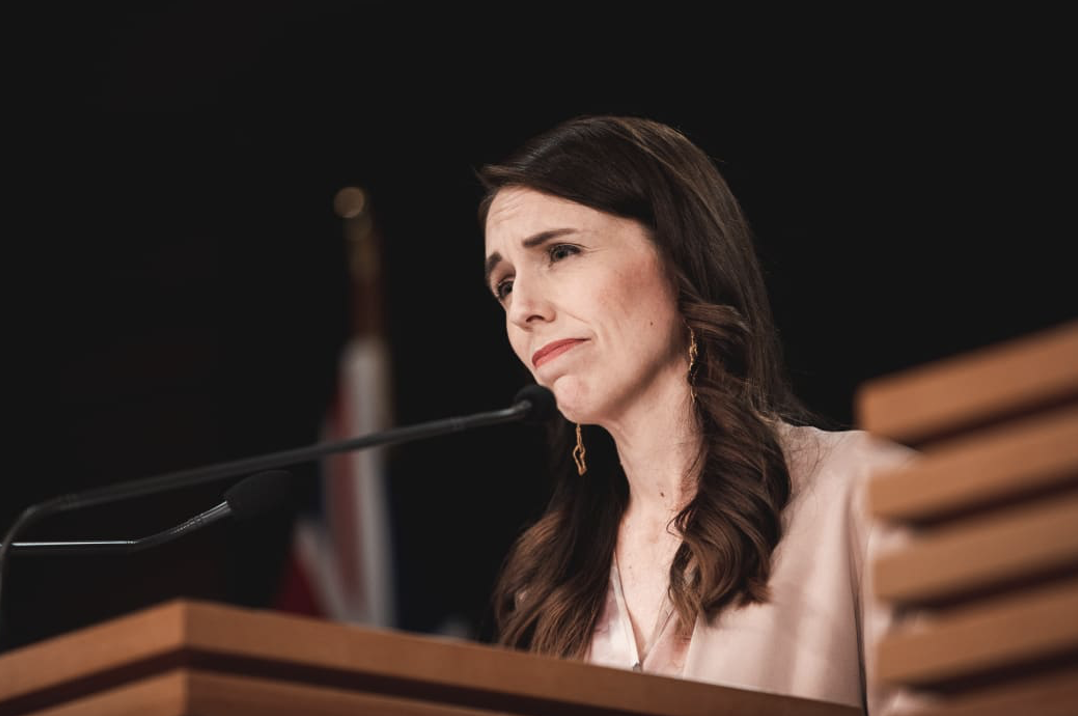
New Zealand's Prime Minister criticises commercial banks' huge profits
New Zealand Prime Minister Jacinda Ardern recently criticised commercial banks' huge profits. Although she said there was currently no effective solution to balance the interests of banks and borrowers, the public's main concern is whether banks making such profits have a responsibility to help borrowers out of difficulty. Finance Minister Grant Robertson said banks' social responsibilities required them to help borrowers through difficult times. “Anyone experiencing financial difficulty should contact their bank promptly to discuss their options. The earlier they talk to their bank, the more likely they are to receive effective help before problems develop. Options include extending the loan term to reduce regular repayments. In some cases, temporarily switching to interest-only repayments may also be a good option. Banks should be responsible lenders and use higher stress-test rates when assessing loan applications to determine whether borrowers can still afford repayments if interest rates rise.”
How can competition between commercial banks be strengthened?
How, then, can the Government strengthen competition between banks to benefit borrowers? Sam Stubbs offered his answer, suggesting that the current Government strengthen competition within the banking sector in the following three areas.
- Conduct a comprehensive banking inquiry, as neighbouring Australia did several years ago
- Expand Kiwibank so it can compete commercially with the four major banks
- Use blockchain technology to open up banking services, giving consumers control over their banking data and making it easier to switch providers
YIJU believes that, as mortgage rates continue to rise, banks will have a good opportunity to demonstrate their social responsibility when newer borrowers encounter difficulties over the next year or two. They should work closely with borrowers struggling to make repayments to get through these difficulties, rather than readily forcing mortgagee sales of their homes.